The Case for the Paella-Style Socarrat
The prized crisp layer at the base of the pan, the socarrat is the soul of a real paella. Here is what it is, how it forms and how to coax it from your rice.
 By Renée Tan
2 September 2026 · 7 min read
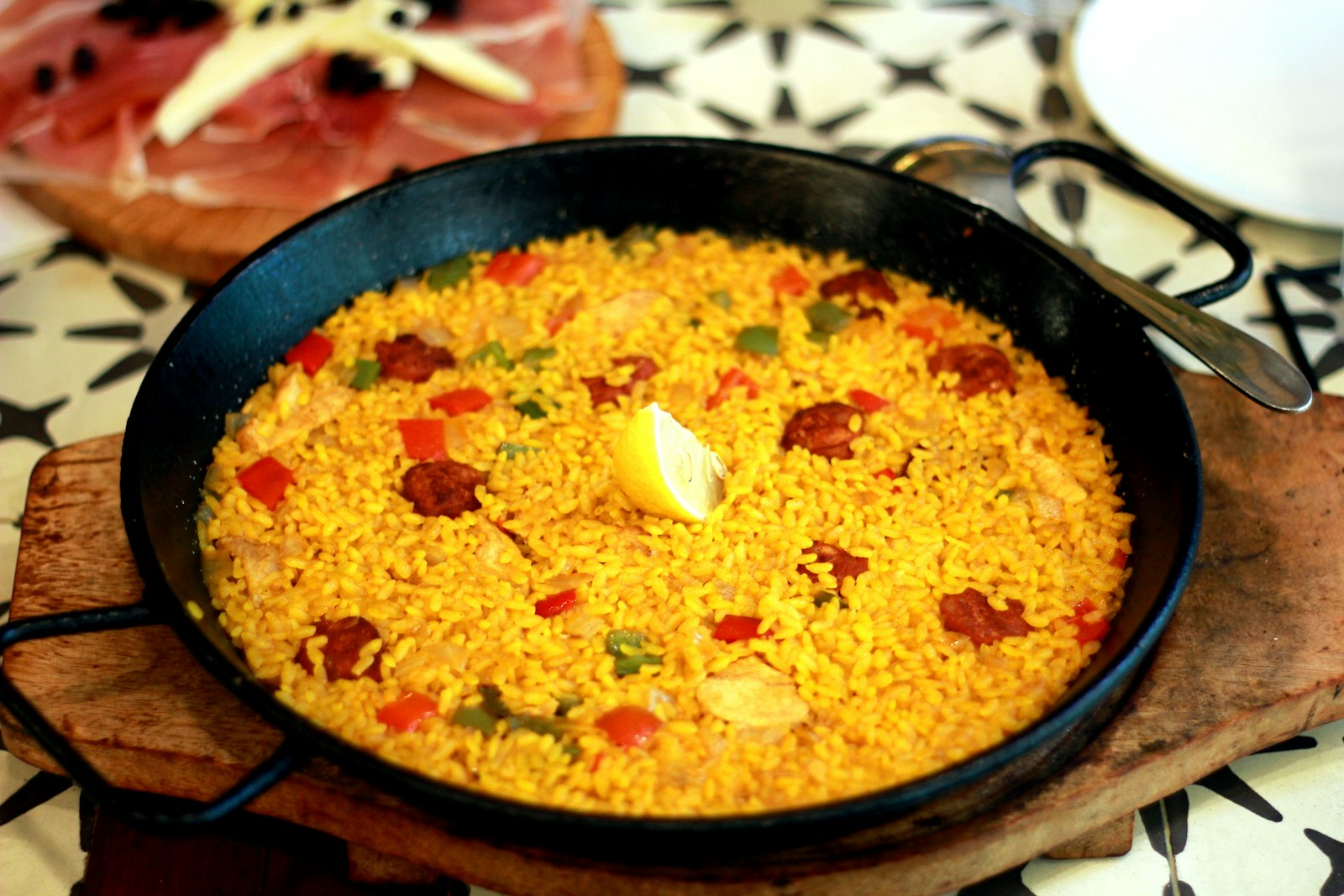
Ask a Valencian what makes a great paella and they will not talk about the saffron or the rabbit or the beans. They will talk about the socarrat, the thin layer of rice at the very bottom of the pan that has caught and caramelised against the hot metal into a golden, crunchy crust. This is the part everyone reaches for, the toasted, savoury base that hides beneath the tender rice above. It is the soul of the dish, and any paella made without it is, to a Valencian eye, simply not finished.
The word comes from socarrar, to singe or scorch, and it captures exactly the fine line the cook is walking. A degree too far and the rice burns; a degree too little and there is no crust at all. Getting it right is the mark of someone who understands what a paella actually is, and it is a technique worth learning for far more than paella alone.
What the socarrat actually is
As a paella cooks, the rice absorbs the flavourful stock until the liquid is almost gone. At that point the sugars and starches in the rice, along with the fats and juices that have settled at the base of the pan, begin to caramelise directly against the metal over a high heat. This is the Maillard reaction, the same browning that gives a seared steak or a roasted onion its depth, and it produces a layer of rice that is toasted, nutty, chewy and intensely savoury.
It is, in other words, controlled scorching, and it depends entirely on the right rice and the right pan. A short, absorbent grain that soaks up stock without turning to mush is essential, which is why the choice of rice matters as much here as it does across every dish in our primer on rice varieties and uses. Long-grain rice will never give you a proper socarrat.
The pan and the heat
The traditional paella pan is wide and shallow for a reason: it spreads the rice in a thin layer so every grain sits close to the heat and the liquid evaporates quickly, forcing the base to catch before the top overcooks. A deep pot steams the rice and gives you a risotto, never a socarrat. The metal matters too, since a thin, conductive base browns the crust evenly, in the same way the responsive metals we praise in our case for the copper saucepan reward a cook who wants precise control of heat.
The critical move comes at the end. When the stock has almost gone and the rice is nearly cooked, you turn the heat up for a minute or two and listen. You are cooking by ear now, waiting for the gentle crackle that tells you the base is caramelising, and smelling for the toasted note that arrives just before burning. It is a nerve-racking moment the first few times, and a thrilling one once you trust it.
You cook the socarrat by ear and by nose. When the liquid is gone and you hear a faint crackle rising from the pan, the crust is forming; a breath too long and it is lost.
How to know it is there
You cannot see the socarrat while it cooks; it forms hidden beneath the rice. The clues are all sound and smell: the crackle of caramelising starch, the shift from the smell of cooking rice to something toasted and nutty. Some cooks tap a spoon against the base and feel for the resistance of a formed crust. The moment you catch that toasted aroma, you kill the heat and let the pan rest before serving, so the crust sets.
The rest is important. A few minutes off the heat under a loose cover of foil or a clean cloth lets the socarrat firm up and release cleanly, and lets the rice above relax. Then you serve straight from the pan, scraping up the prized crust with the edge of a spoon so everyone gets a share. In Valencia the crackly base is fought over, and rightly so.
Beyond paella
The genius of the socarrat is that it is a principle, not just a recipe. The idea of coaxing a deliberate, controlled crust from starch against hot metal appears across the world’s rice dishes, from the Persian tahdig to the crust at the base of a good clay-pot rice. Learn to build it in a paella and you understand something transferable about heat, patience and the value of a little scorch, an instinct that serves you across the whole of Valencian and rice-based dining.
Practising until it is second nature
Nobody nails the socarrat on the first attempt, and that is part of the pleasure. The first paella will likely be under-caramelised, the cook losing nerve and pulling the pan from the heat too soon; the second may edge into acrid, the fear overcorrected. Somewhere around the third or fourth you learn to trust your ears and your nose over your anxiety, and the crust arrives exactly as it should: deep gold, crisp, savoury, stopping a hair short of burnt. From that point it becomes reliable, a technique you own rather than one you hope for. Cook a paella every few weekends through a season and you will find the moment of judgement grows almost automatic, the same way a baker learns to read a loaf by its smell. It is one of the most satisfying small masteries in the kitchen, and it sits happily among the considered techniques gathered across our dining and drinks pages.
What makes the technique so rewarding is that it cannot be faked or bought. There is no shortcut to a good socarrat, no gadget that produces it on demand; there is only the cook, the pan, the heat and the willingness to trust your senses at the critical moment. That is why a properly caramelised base is such a reliable signal of a cook who knows what they are doing, and why the Valencians treat it as the true measure of a paella. Learn to read the crackle and the smell, and you have earned something that no recipe alone can ever give you.
So do not fear the scorch. The socarrat asks you to push a dish right up to the edge of burning and stop with a moment to spare, and in that small act of controlled nerve lies the difference between a pan of decent rice and a paella worth the name. Make it, listen for the crackle, and reach for the crust first.
Frequently asked questions
What is socarrat?
Socarrat is the thin, golden, caramelised crust that forms at the bottom of a paella pan when the rice catches against hot metal after the stock has evaporated. Crisp, nutty and savoury, it is considered the most prized part of a Valencian paella.
How do you get socarrat on paella?
Use short, absorbent rice in a wide, shallow, thin-based pan. When the stock has almost evaporated and the rice is nearly cooked, raise the heat for a minute or two. Listen for a gentle crackle and smell for a toasted aroma, then remove from heat before it burns.
How do you know when socarrat has formed?
You cannot see it while cooking, so rely on sound and smell. A faint crackling and a shift to a toasted, nutty aroma indicate it is forming. Some cooks tap a spoon on the base to feel for a crust. Then rest the pan briefly before serving.
Why does rice choice matter for socarrat?
Short, absorbent rice varieties soak up stock without turning mushy and caramelise well against the pan. Long-grain rice does not absorb liquid the same way and rarely forms a proper crust. The right rice is as important as the pan and heat.
Are there dishes similar to socarrat in other cuisines?
Yes. Persian tahdig is a crisp golden rice crust at the base of the pot, and clay-pot rice, popular in Singapore and Hong Kong, forms a similar crispy layer. All rely on the same principle of controlled caramelisation of rice against hot surfaces.
Renée has covered Singapore's restaurants for over a decade, with a soft spot for the kitchens most people walk past.