
The Quiet Luxury of the Turbot Course
Firm-fleshed, sweet and prized for centuries, turbot is the fish that serious kitchens save for the table that truly matters. Here, at last, is exactly why.
 By Renée Tan
1 September 2026 · 7 min read
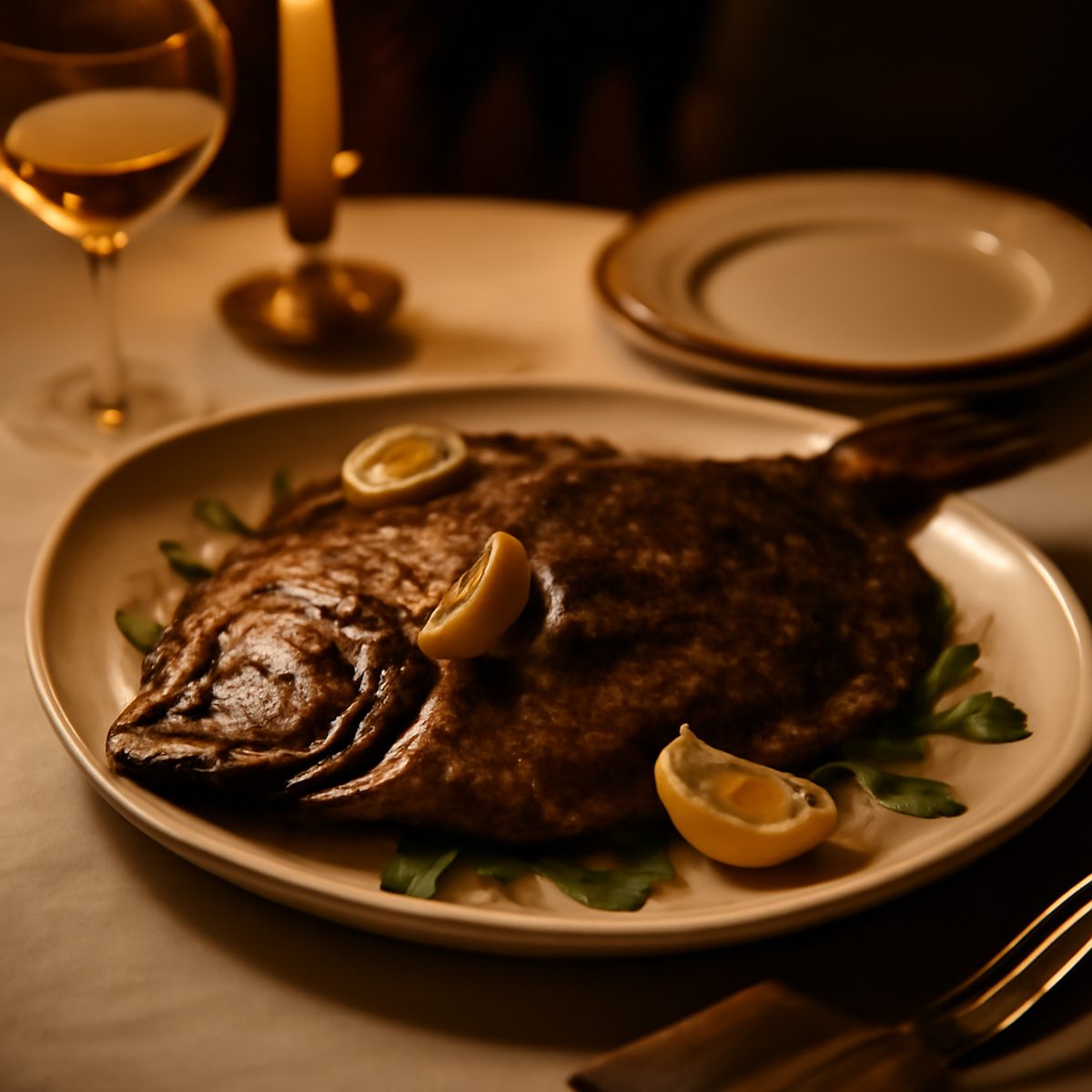
There are fish you eat and fish you serve, and turbot belongs firmly to the second category. Firm-fleshed, sweet and prized by cooks for centuries, it is the quiet aristocrat of the sea, the fish that appears when a kitchen wants to mark an occasion without shouting about it. The turbot course is a study in understated luxury: no drama, no fuss, just a superb ingredient treated with the respect it demands.
Turbot is a flatfish, broad and firm, with a dense, gelatinous flesh that holds together beautifully under heat and carries a clean, sweet flavour with none of the muddiness of lesser fish. That firmness is its signature; it slices cleanly, it does not flake apart, and it stands up to robust cooking in a way delicate fish cannot. Chefs have loved it for exactly this reason for as long as anyone has kept records.
Why it commands the table
Part of turbot’s status is its rarity and part is its forgiving nature. It is a fish that repays good handling without punishing minor errors, its firm flesh giving the cook a margin that a fragile fillet never would. It also has a natural gelatine that keeps it moist and gives sauces something to cling to, which is why it so often appears bathed in something rich and buttery.
The classic treatment is simplicity itself: the whole fish roasted or poached on the bone, its flesh basted and served with a sauce that flatters rather than smothers. Cooking on the bone is the traditional route to the best result, and it is worth the small extra effort, because the bone protects the flesh and adds flavour as it cooks. A close relative, smaller and a touch more delicate, takes much the same treatment, as our piece on the quiet luxury of the brill course explains.
Cooking it whole, on the bone
The whole fish is where turbot shows its full character, and cooking it on the bone rewards a little equipment. A large flatfish needs a vessel that can hold it, and this is precisely the case for a good fish kettle, which lets you poach a whole turbot gently and lift it out intact. Roasting works equally well, the skin crisping while the flesh stays sweet and moist beneath.
Turbot needs no cleverness. Good fish, gentle heat, a little butter and salt, and the confidence to leave it alone.
Whichever route you take, restraint is the rule. Season simply, cook gently, and let the fish be the point. Serving a whole turbot at the table, then lifting the flesh cleanly from the bone, is one of the small theatres of a good meal, and it needs the right tools. A proper fish spatula makes the difference between serving neat fillets and serving a broken mess.
What to serve alongside
Turbot’s sweet firmness invites accompaniments that are rich but not competing. A classic butter sauce, a squeeze of lemon, some good bread and a plainly dressed vegetable are all it asks. The instinct is the same one that governs any fine seafood service: let the ingredient lead and keep everything else in support. For a flatfish of altogether finer texture, often filleted at the table, our piece on the Dover sole course makes a natural companion.
- A beurre blanc or hollandaise, whose richness meets the fish’s own gelatine.
- New potatoes or a simple green, to keep the plate honest.
- A crisp, dry white wine, cold enough to cut the butter.
If turbot is the centrepiece, it sits happily within a wider celebration of the sea, the same spirit that animates a well-composed seafood platter or the considered ritual of eating oysters. All of it rests on the same principle: superb raw material, handled with respect and minimal interference.
Why the course endures
Buying it well
Because turbot is a premium fish, buying it well matters, and a few signs separate the excellent from the merely acceptable. Look for flesh that is firm and springs back when pressed, a clean sea smell rather than anything sour, and, in a whole fish, bright clear eyes and a glistening skin. A good fishmonger is your ally here, able to tell you where the fish came from and to prepare it however you intend to cook it. Given the price, it is worth asking questions and buying from someone you trust rather than picking up a tired fillet from a chiller.
Size is worth a thought too. A larger fish gives thicker, more succulent flesh and a better ratio of meat to bone, which is why a whole medium turbot shared between a few people often eats better than individual portions. If a whole fish is beyond the occasion, a thick tranche cut across the bone gives much of the same pleasure, staying moist where a thin fillet would dry out. Whatever you buy, cook it the same day; a fish this fine deserves to be eaten at its freshest. It is worth saying, too, that turbot is a fish to buy with the seasons and the tides in mind, at its best when it is landed in good condition rather than shipped from far away, and a fishmonger worth the name will steer you toward the finest of the day rather than simply selling you what is left.
A fish worth understanding
There is a quiet confidence that comes from cooking an expensive ingredient simply, and turbot teaches it better than almost anything. The temptation, having spent well, is to do a great deal to justify the outlay, layering sauces and garnishes until the fish disappears beneath them. The lesson of the turbot course is the opposite: that the way to honour a superb ingredient is to get out of its way. Season it, cook it gently, add a little good butter, and trust it. That restraint is the whole art.
In an age of elaborate plating and endless invention, the turbot course is a quiet rebuke. It says that the highest luxury is not complexity but quality, not cleverness but confidence. A perfectly cooked piece of turbot, sweet and firm and glistening under a spoonful of good butter sauce, needs no explanation and brooks no improvement. That conviction, that the finest things are often the simplest done superbly, runs through everything we value across our dining and drinks pages. Save the turbot for the table that matters, cook it with restraint, and let one very good fish speak for itself.
Frequently asked questions
Why is turbot considered such a luxurious fish?
Turbot has firm, white, sweet-tasting flesh with a gelatinous richness from its skin and bones, making it prized by chefs. It is relatively scarce, slow-growing and difficult to catch in quantity, and large wild specimens command high prices. Its reputation as the king of flatfish has endured for centuries in European cooking.
What is the best way to cook a whole turbot?
Roasting or grilling it whole on the bone keeps the flesh moist and adds flavour from the bones and gelatinous skin. Season simply, cook at high heat until the flesh near the bone turns opaque, then rest briefly. A whole fish makes a striking centrepiece when carved at the table.
What sauces go well with turbot?
Classic accompaniments include beurre blanc, hollandaise, brown butter with capers, and sauce vierge. Champagne or white wine butter sauces suit special occasions. Keep sauces refined and not overpowering, as turbot’s delicate sweetness is the point. Simple sides such as new potatoes, samphire or buttered greens let the fish lead.
Is farmed turbot as good as wild turbot?
Well-farmed turbot can be very good, offering consistent size, availability and quality at a gentler price. Wild turbot usually has firmer texture and more pronounced flavour, which many chefs prefer for special occasions. A reputable fishmonger can advise on origin, freshness and seasonality to help you choose.
How do you tell if turbot is fresh when buying it?
Look for bright, clear eyes, glossy skin with a natural slime, firm flesh that springs back when pressed, and a clean sea smell. Gills should be bright red rather than brown. Ask the fishmonger when it arrived, and request that they gut and trim it if you prefer.
Renée has covered Singapore's restaurants for over a decade, with a soft spot for the kitchens most people walk past.


