Why a Good Fish Kettle Earns Its Place
The fish kettle looks like a relic, but nothing else poaches a whole fish so gently. A considered case for the long pan worth finding room for.
 By Renée Tan
1 September 2026 · 7 min read
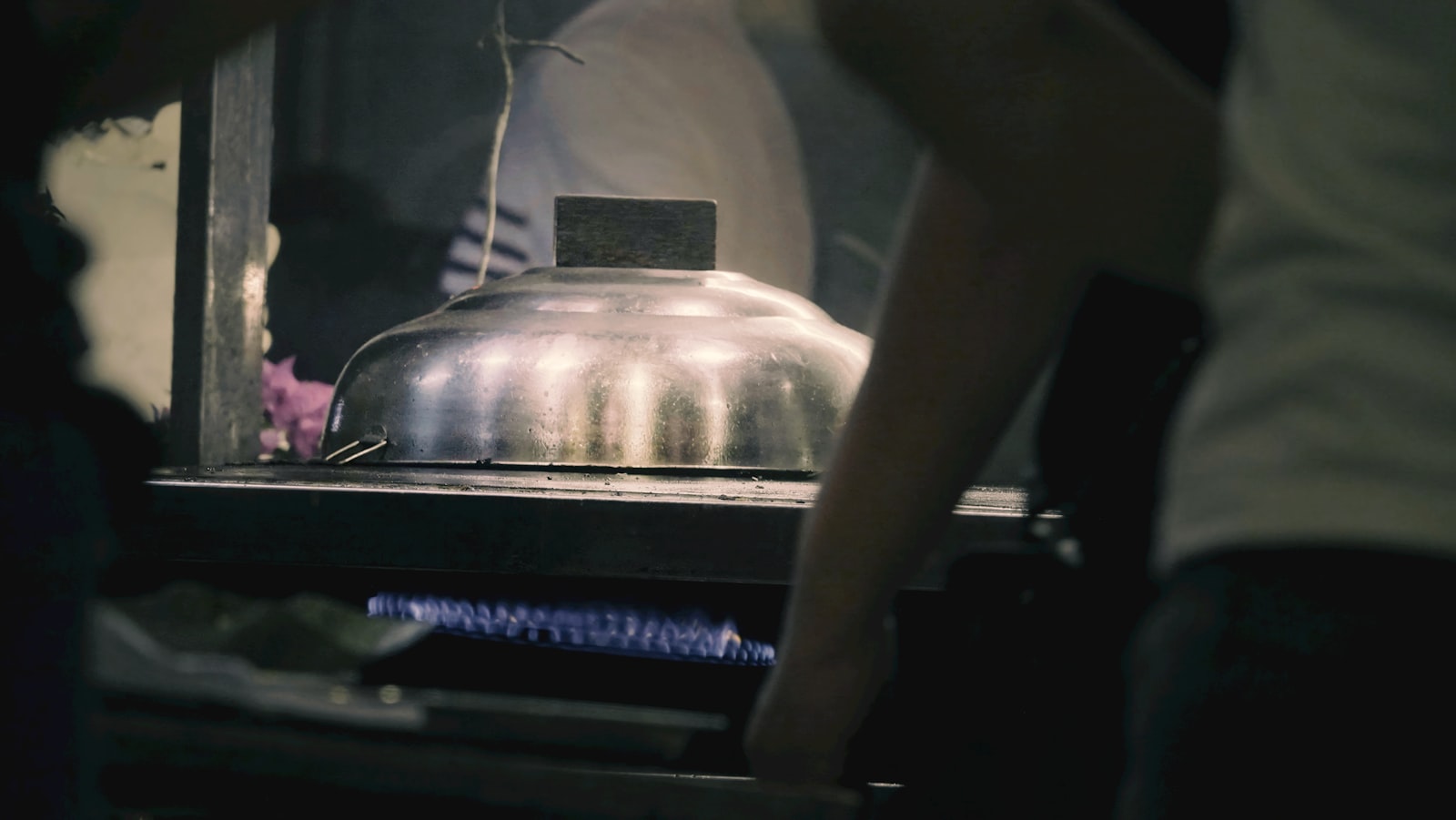
The fish kettle is one of those pieces of kitchen equipment that seems, at first glance, hopelessly single-minded. It is a long, narrow, lidded pan, sized to hold a whole salmon or sea bass, and it does essentially one thing. In an age of multitaskers and space-saving, that specialisation looks like a liability. And yet for the one thing it does, nothing else comes close, and once a year at least you will be very glad to own one.
Its shape is the whole point. A large fish will not fit any ordinary pan, and cutting it to fit defeats the purpose of cooking it whole. The kettle solves this with its length, and with a perforated rack that lets you lower the fish in and lift it out without it falling apart. That rack is the unsung hero of the design.
Why poaching a whole fish matters
Cooking a fish whole, on the bone, gives you something no fillet can match. The flesh stays moist, the flavour is deeper, and the presentation, a glistening whole fish carried to the table, has a generosity that portioned fillets lack. Poaching, done gently, is the kindest possible method, surrounding the delicate flesh with liquid that never exceeds a bare simmer. There is no fierce heat to seize the protein or dry the surface. The fish cooks evenly from all sides at once. Cooking a whole fish begins with proper preparation, which is why a good fish scaler earns its place alongside the kettle.
This gentleness is the fish kettle’s gift. You bring a court-bouillon, an aromatic poaching liquid of water, wine, herbs and vegetables, to the barest tremble, lower the fish in on its rack, and let it cook through slowly. The result is silky, even flesh with none of the toughness that high heat brings. It is the technique behind a proper cold poached salmon, that centrepiece of a summer table, and it belongs to the same considered approach to seafood that produces the seafood platter.
The court-bouillon, quietly important
Half the flavour of a poached fish comes from what it is poached in. A court-bouillon need not be complicated: water, a good glug of dry white wine, an onion studded with cloves, a carrot, a bay leaf, some peppercorns and a little salt, simmered together for twenty minutes before the fish goes in. The acidity of the wine firms the flesh and brightens the flavour; the aromatics perfume it from the outside in. A little citrus zest in the poaching liquid or the sauce is never amiss, and our piece on why a good zester earns its place explains the tool for it.
You can poach hot, to eat warm with hollandaise, or cook the fish and let it cool in its own liquid for a cold dish, which keeps it beautifully moist. Either way, the kettle’s shape means the whole fish is bathed evenly, something no round pan could manage.
A specialised tool earns its keep not by how often it is used, but by how completely it does the one thing nothing else can.
More versatile than it looks
The fish kettle is not quite the one-trick pan it appears. Fitted with its rack, it is an excellent steamer for large quantities of vegetables or shellfish, and its length makes it useful for anything long and awkward, from a whole side of fish to a batch of corn cobs. Some cooks press theirs into service for stock, where the generous capacity is welcome. It is more adaptable in a well-run kitchen than its reputation suggests.
But even if it did only its one job, that job is worth doing well. The same argument applies to any considered piece of kit: it is not about frequency of use but about doing something irreplaceably well. It sits alongside the case for a good fish spatula and a good knife in the small collection of tools that quietly raise the level of everything you cook.
Choosing and storing one
Look for a kettle in stainless steel or aluminium, heavy enough to sit stable across two burners without warping, since its length usually means it spans a pair of rings. The rack should have sturdy handles that stand proud of the liquid so you can lift a heavy, cooked fish cleanly. A well-fitting lid matters too, to hold the gentle heat and steam.
Storage is the honest objection: a fish kettle is large and does not stack. The practical answer is to keep it somewhere out of the way, a high shelf or the back of a cupboard, and accept that it will earn its space a few times a year rather than a few times a week. Cooked in it, a whole poached salmon for a summer lunch or a Christmas table more than justifies the room it takes up.
A tool for occasions
The fish kettle belongs to a category of equipment defined not by daily use but by irreplaceable performance on the days that matter. Like a good copper saucepan for delicate sauces, it does something specific supremely well, and no compromise substitute quite matches it. When you want to serve a whole fish, gently and beautifully cooked, there is simply no better way.
Using one well is largely a matter of confidence with the poaching liquid and the heat. The cardinal error is to boil rather than to poach; a rolling boil batters the flesh and clouds the liquid, where a bare tremble, the surface barely shivering, cooks the fish to silk. Judge doneness by feel and time rather than guesswork: a whole salmon needs only a few minutes at temperature before you turn off the heat and let it finish in the residual warmth, which all but guarantees moist flesh. For a cold dish, let the fish cool completely in its own liquid, so it reabsorbs moisture and seasoning as it drops in temperature. Skinning and portioning are far easier once the fish has rested. And do not waste the court-bouillon: strained, it makes an excellent base for a fish soup or a velvety sauce, so the whole exercise feeds you twice. Handled this way, the kettle stops being an occasional indulgence and starts to feel like a genuinely useful part of the kitchen.
Buy one, find it a home, and bring it out for the occasions that deserve it. For more on the tools and techniques that reward a considered kitchen, the dining and drinks section is where these arguments are gathered.
Frequently asked questions
What is a fish kettle used for?
A fish kettle is a long, narrow, lidded pan with a perforated rack, designed to poach whole fish such as salmon or sea bass. The rack lets you lower and lift the fish without breaking it. It can also steam vegetables or shellfish and make large batches of stock.
What is a court-bouillon?
A court-bouillon is an aromatic poaching liquid made from water, dry white wine, onion with cloves, carrot, bay leaf, peppercorns and salt, simmered for about twenty minutes. The wine’s acidity firms and brightens the fish, while aromatics flavour it gently from the outside.
How do you poach a whole salmon in a fish kettle?
Bring the court-bouillon to a bare tremble, never a rolling boil. Lower the fish in on its rack, cook a few minutes at temperature, then turn off the heat and let it finish in the residual warmth. For serving cold, let it cool completely in the liquid.
What should I look for when buying a fish kettle?
Choose stainless steel or aluminium heavy enough to sit stable across two burners without warping. The rack should have sturdy handles above the liquid level for lifting heavy fish, and the lid should fit well. Measure your hob and storage space before buying.
Is a fish kettle worth buying?
If you cook whole fish for occasions such as Christmas, Chinese New Year gatherings or summer lunches, yes. No ordinary pan poaches a whole fish as evenly. It is bulky to store, but it also works as a large steamer and stockpot, adding everyday versatility.
Renée has covered Singapore's restaurants for over a decade, with a soft spot for the kitchens most people walk past.