The Best Progressive Japanese-French Dining
Dashi under a beurre blanc, koji in place of butter ageing: a considered guide to Singapore's best progressive Japanese-French dining, and why it works.
 By Renée Tan
30 August 2026 · 6 min read
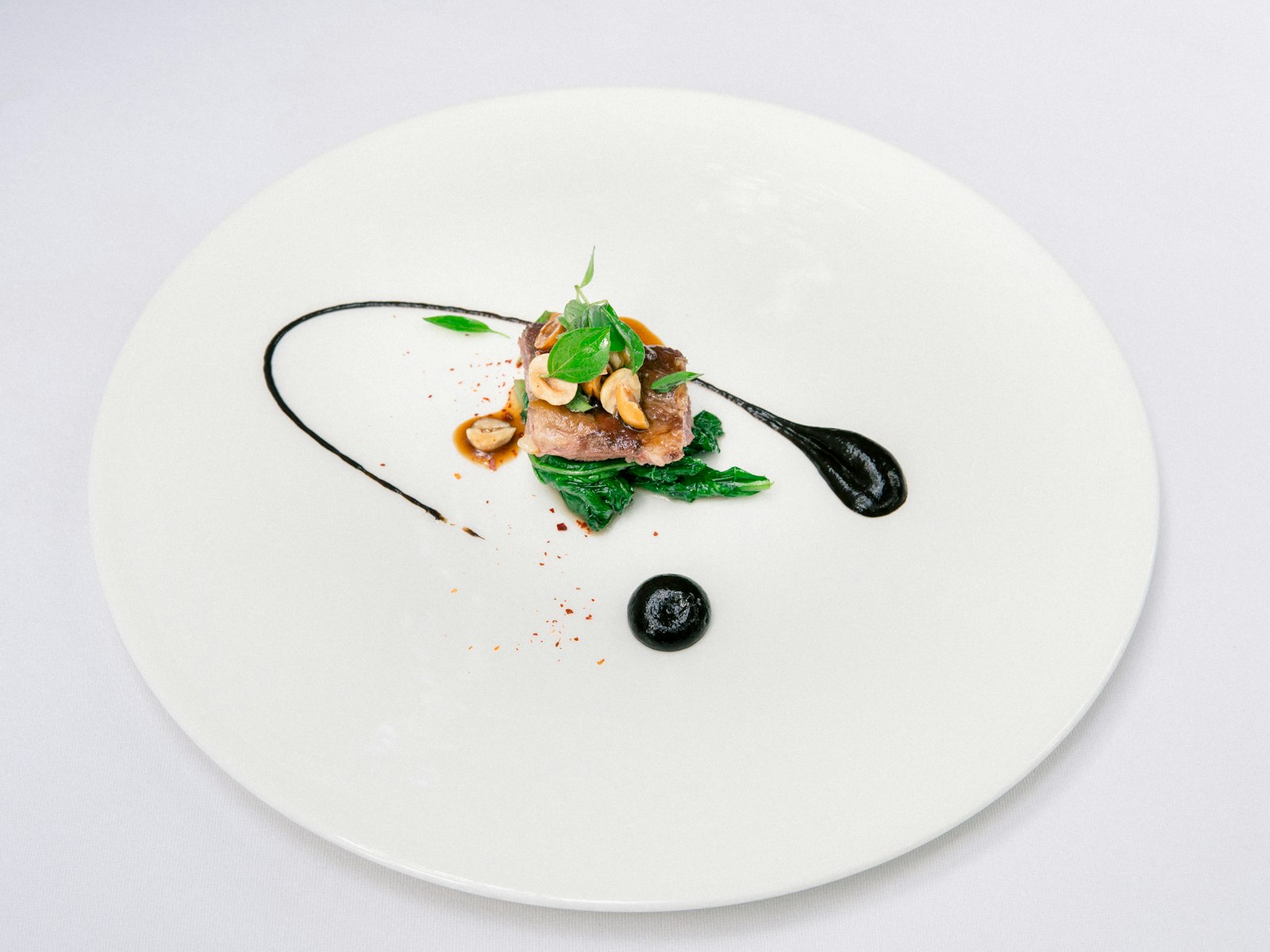
The pairing of Japanese and French cooking sounds, on paper, like an obvious fit — two cuisines built on precision, restraint and an almost obsessive respect for raw ingredient quality. In practice, it is a considerably harder marriage to execute well than the surface similarities suggest, and Singapore’s dining scene now includes a genuine cluster of kitchens attempting it with real seriousness rather than treating the combination as a marketing angle.
Why the two cuisines actually fit together
French technique brings structure: the classical sauce work, the precise application of heat, a codified vocabulary for building a dish course by course. Japanese cooking brings something French cuisine has historically been less focused on — an emphasis on umami as a foundational flavour, and a restraint around seasoning that lets a single excellent ingredient carry a dish with minimal intervention. Where the fusion works best, dashi replaces or supplements a classical stock, koji is used to age and season proteins in place of a longer dry-ageing process, and a beurre blanc might be built with yuzu or sudachi in place of the traditional lemon, adding a sharper, more distinctive citrus note.
Where it fails is when the combination becomes decorative rather than structural — a French dish with a sprinkle of shiso on top, or a Japanese dish finished with an unnecessary butter sauce that adds richness without adding anything to the underlying flavour. The kitchens doing this well tend to think about the fusion at the level of technique and stock rather than garnish, which is a considerably harder discipline to execute consistently.
Fish cookery is where this distinction becomes clearest to a diner without formal culinary training. A classically French preparation might poach fish gently in a butter emulsion, building richness through fat; a Japanese approach might instead cure the same fish briefly in kombu, drawing out moisture and concentrating flavour through an entirely different mechanism. A kitchen fluent in both traditions can choose whichever technique actually suits the specific fish and dish in question, rather than defaulting reflexively to one house style regardless of the ingredient in front of them — and that flexibility, more than any specific ingredient pairing, is the real mark of genuine fluency in both cuisines.
What to look for on a menu
Signs of a kitchen doing this seriously
- Dashi, koji or miso used as a genuine flavour foundation, not a garnish sprinkled on at the end.
- A tasting menu format that allows the kitchen to build a narrative across courses, rather than a fixed à la carte list.
- Seafood treated with the same restraint found at a serious Japanese counter, even within an otherwise French-structured menu.
- A sommelier or beverage pairing that understands both wine and sake well enough to move fluidly between the two.
The best examples of this cooking style tend to come from chefs with genuine training in both traditions, rather than a French-trained chef simply borrowing Japanese ingredients, or vice versa. That dual grounding shows up in small but telling details — the way a sauce is finished, the precision of a knife cut, the confidence to leave a dish underseasoned by classical French standards because the ingredient itself is strong enough to need nothing more.
Rice, an ingredient French fine dining has historically treated as an afterthought, is another useful indicator worth watching for. A kitchen that plates a small, carefully cooked portion of Japanese rice as a genuine course, rather than a filler starch, is signalling real respect for the Japanese half of its identity. Conversely, a kitchen that treats rice as an obligatory garnish, cooked without particular care, is often one leaning more heavily on the French side of the equation than the menu’s framing might suggest.
How it compares to the wider modern Japanese scene
It is worth situating this cooking style alongside Black Cow’s coverage of the best modern Japanese, beyond sushi, which covers kitchens pushing Japanese technique forward without the French overlay, and proper French bistro cooking for a sense of the more traditional register this progressive style is departing from. The contrast is instructive: progressive Japanese-French dining tends to sit at a higher register of formality and price than either tradition on its own, built around tasting menus rather than à la carte plates, and demanding a kitchen fluent in two entirely different sets of technical assumptions.
“The hardest part isn’t the ingredients, it’s the restraint,” one chef working across both traditions told us. “French technique wants you to build. Japanese technique wants you to take away. Doing both in the same dish is a genuine discipline.”
Pastry, an underrated tell
Dessert courses are, unexpectedly, one of the clearest indicators of whether a kitchen has genuinely mastered this fusion or is merely gesturing at it. A dessert that incorporates Japanese ingredients — yuzu, matcha, black sesame — into a properly executed French pastry technique, rather than simply substituting a Japanese flavour into an otherwise unchanged Western dessert, tends to reveal the depth of the kitchen’s understanding. Those with a particular interest in this end of the meal might enjoy Black Cow’s coverage of the return of fine French pastry, which covers the classical foundation many of these kitchens are working from.
Visit Black Cow’s Dining & Drinks section for the fuller picture of the city’s most considered kitchens right now. Done well, progressive Japanese-French dining offers something genuinely distinct from either tradition alone — not a compromise between two cuisines, but a third thing entirely, built on the shared discipline both traditions bring to the table.
Wine and sake pairing is where this hybrid identity is tested most directly, and it is worth paying close attention to how a restaurant handles the transition between the two. A kitchen genuinely committed to the fusion will often build a pairing menu that moves fluidly between a mineral Burgundy and a well-chosen junmai daiginjo within the same meal, choosing whichever best complements a specific course rather than defaulting entirely to one beverage tradition out of habit. That willingness to cross categories, course by course, is frequently a more honest signal of the kitchen’s actual philosophy than the food alone.
Renée has covered Singapore's restaurants for over a decade, with a soft spot for the kitchens most people walk past.