The Best Shabu-Shabu and Hotpot
Thin-sliced beef, a rolling broth, and the etiquette of the shared pot: a considered guide to Singapore's best shabu-shabu and hotpot, and how to order well.
 By Renée Tan
30 August 2026 · 6 min read
By Renée Tan
30 August 2026 · 6 min read
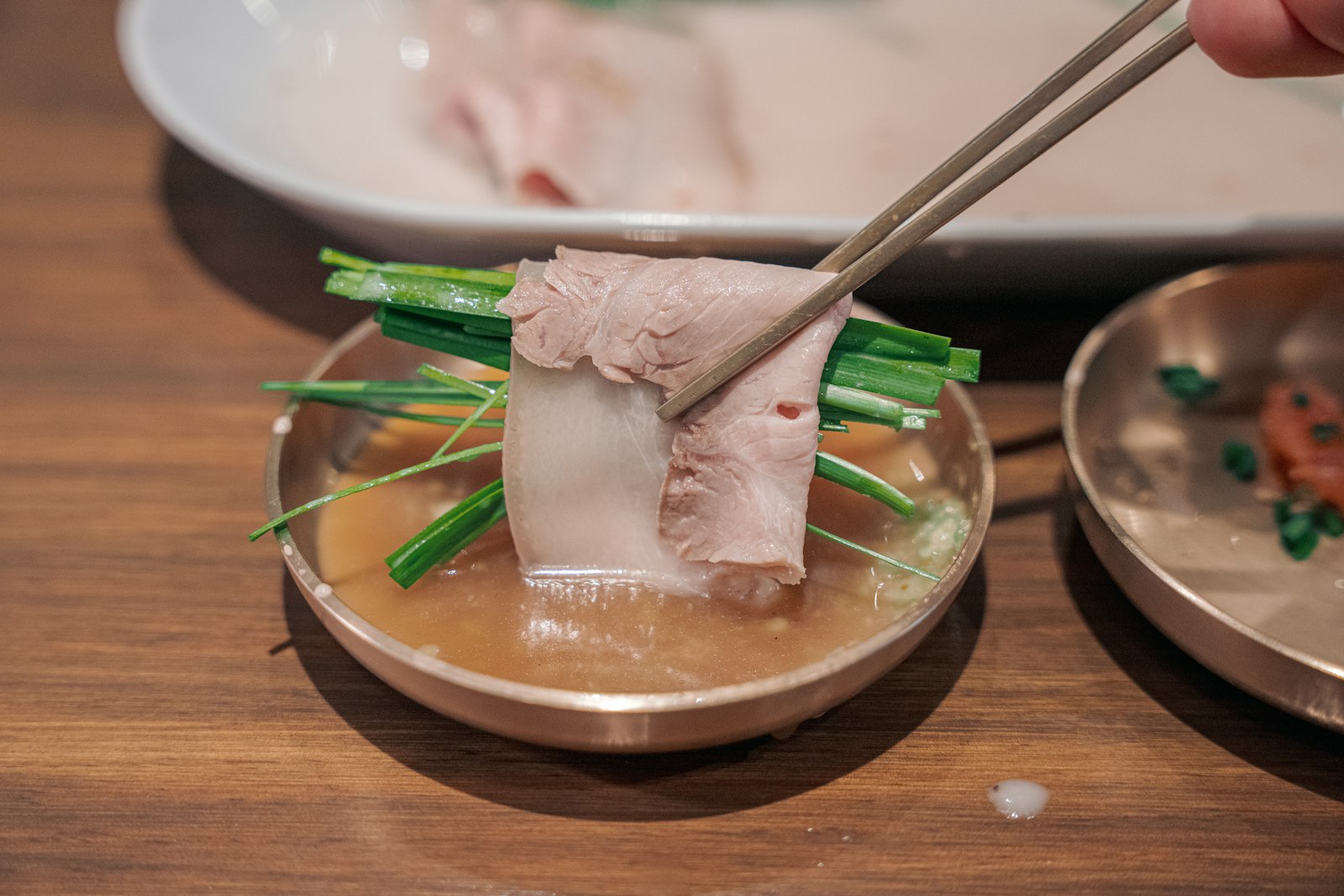
There is a specific pleasure in watching a paper-thin slice of beef curl and pale in seconds of contact with rolling broth — the whole ritual of shabu-shabu and hotpot condensed into that one small motion. It is one of the few dining formats that turns diners into active participants rather than passive recipients, and Singapore’s better rooms have leaned into that theatre rather than treating it as a gimmick. The best of them understand that a shared pot is only as good as its two quietest components: the broth, and the cut of the meat going into it.
Broth is not an afterthought
It is tempting to think of the broth as a mere cooking medium, something functional rather than something to be judged on its own terms. This is a mistake. A serious kombu dashi, built with real kelp and bonito rather than powder, carries an umami depth that seasons everything that passes through it, course after course, in a way a shortcut stock never quite manages. Sichuan-style hotpot broths, at the other end of the spectrum, are built for hours from beef tallow, doubanjiang and a long list of aromatics, and a good one should smell unmistakably of the specific chillies and spices used rather than a generic, one-note heat.
The clearest sign of a kitchen cutting corners is a broth that tastes identical at the start and the end of the meal, having contributed nothing and absorbed nothing. The best broths deepen visibly as the meal progresses, picking up flavour from what has been cooked in them, so that the final ladleful, often drunk on its own once the meat and vegetables are gone, is genuinely the best part of the meal.
Split-pot formats, offering two or more broths in a single divided vessel, have become the default in much of the city’s hotpot scene, largely because they let a table hedge between a milder dashi or tomato base and a more aggressive spiced one without committing entirely to either. This is a reasonable compromise for a mixed table of preferences, though it does introduce its own risk: a kitchen relying on the split pot as a gimmick, rather than genuinely investing equal care into both sides, can produce one excellent broth and one that has clearly been treated as an afterthought. It is worth asking, on a first visit, whether both broths are made fresh in-house or whether one is a shortcut base bought in bulk.
The cut matters more than the cooking
Because the cooking method itself is so minimal — a swirl through hot liquid, seconds rather than minutes — the entire burden of quality falls on the meat itself. Wagyu shoulder, sliced thin enough to see light through, needs almost no time in the broth at all; overcook it and the marbling that makes it worth the price simply melts away into the pot rather than the meat. Leaner cuts, by contrast, benefit from a slightly longer dip, and a kitchen that serves everything sliced to a uniform thickness regardless of the cut is usually one prioritising presentation over technique.
Seafood deserves equal scrutiny, and is arguably a better test of a hotpot room’s overall sourcing than the beef selection. Scallops, prawns and thinly sliced fish should arrive genuinely fresh, cut close to service rather than pre-portioned hours in advance and left sitting on ice, where texture inevitably suffers. A good hotpot room will happily tell you when seafood came in, and the better ones rotate their selection based on what was actually good at market that morning rather than offering an identical, static menu regardless of season. Pressing a server on this point, gently, is a reasonable way to gauge how seriously a kitchen takes the sourcing side of the meal.
What separates a serious hotpot room
- Meat sliced to order, or visibly fresh rather than pre-frozen and thawed on a tray.
- A broth menu with real specificity — named regions or styles, not simply “spicy” or “clear.”
- Dipping sauces built in-house rather than poured from a bottle.
- Vegetables and tofu of genuine quality, since a weak broth has nowhere to hide once they are added.
Etiquette, and why it matters
Shabu-shabu in particular carries a quiet etiquette worth knowing before a first visit. Ingredients are traditionally cooked and eaten in a specific order, generally moving from lighter items to richer ones, so that the palate is not overwhelmed early and the broth has time to build flavour gradually. Communal chopsticks or dedicated cooking chopsticks, kept separate from eating chopsticks, are standard at the more considered rooms, a small hygiene courtesy that is easy to overlook but genuinely appreciated by anyone sharing the pot. Sichuan hotpot carries a looser, louder energy by comparison, built for a bigger table and a longer, more sociable evening — a useful thing to know when deciding which format suits the occasion.
“A good broth should taste different by the time you’re drinking the last ladle,” one hotpot chef told us. “If it tastes exactly the same as when we started, we haven’t done our job.”
Where this fits in the wider dining scene
Hotpot and shabu-shabu sit at an interesting intersection of Singapore’s broader dining landscape — casual enough for a weeknight, but with enough craft behind the best versions to reward the same attention paid to fine dining. It is worth reading alongside Black Cow’s coverage of the best modern Japanese, beyond sushi, which covers similarly technique-driven cooking outside the sushi counter, and the best seafood towers and raw bars for those who prefer their protein raw rather than gently poached. Those chasing the more refined, plated end of Japanese-influenced cooking might also enjoy the best progressive Japanese-French dining, a different register entirely but built on the same reverence for ingredient quality.
For the fuller picture of how Black Cow approaches the city’s eating scene, our Dining & Drinks section covers everything from hawker classics to considered fine dining. What unites the best hotpot and shabu-shabu rooms with everything else worth eating in Singapore is the same principle: strip a dish down to its essentials, and there is nowhere left to hide poor ingredients or careless technique. The pot, ultimately, tells the truth.
Renée has covered Singapore's restaurants for over a decade, with a soft spot for the kitchens most people walk past.