The Return of Fine French Pastry
A new generation of pastry chefs is bringing genuine French technique back to the city's counters. Here is who is doing the work, and why it matters now.
 By Renée Tan
30 August 2026 · 6 min read
By Renée Tan
30 August 2026 · 6 min read
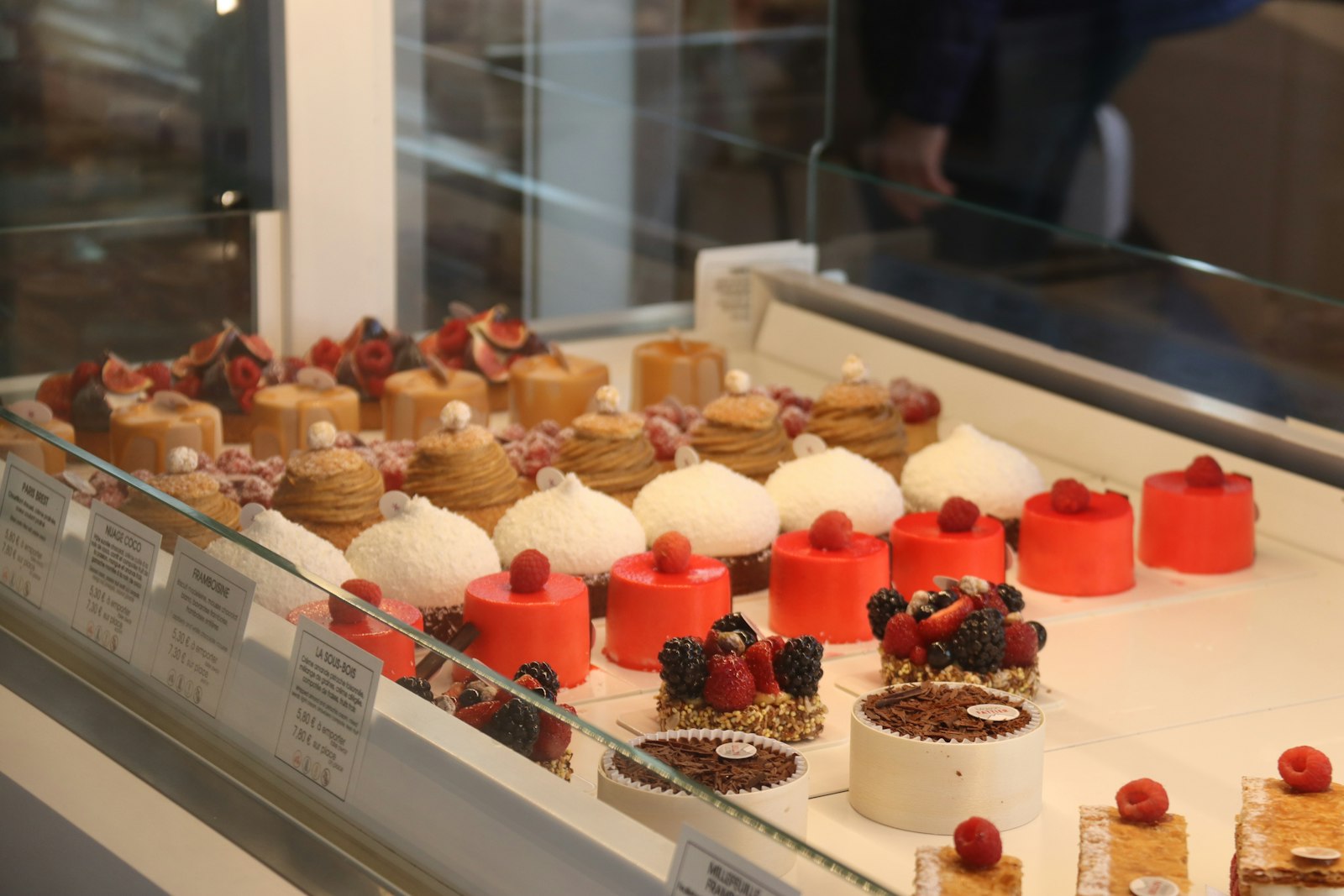
There was a stretch, not so long ago, when French patisserie in Singapore had drifted toward spectacle — towering, elaborately decorated cakes built more for photographs than for eating, with technique quietly taking a back seat to visual ambition. That era has not entirely passed, but it has been joined by something more interesting: a smaller cohort of pastry chefs, many trained in France or under French chefs, bringing a renewed and quite serious attention to fundamentals — lamination, tempering, the precise custards and creams that sit underneath a pastry’s more photogenic exterior.
What Genuine Technique Actually Looks Like
The clearest marker of a pastry kitchen taking its craft seriously is consistency in the parts of the work nobody photographs. A properly laminated croissant, cut open, should reveal a honeycomb of even, distinct layers — not the dense, uneven crumb that results from rushed or poorly executed lamination. A choux pastry should hold its shape and its crisp exterior for hours after baking, not collapse within the first thirty minutes of display. These are unglamorous, technical details, but they separate a kitchen that has genuinely mastered French pastry fundamentals from one that has learned to approximate the aesthetic without the underlying discipline.
Chocolate work offers another useful test. Properly tempered chocolate should have a clean snap and a glossy, unblemished finish; chocolate that has not been tempered correctly looks dull, streaky, or develops a chalky white bloom within days. A pastry counter willing to work seriously with chocolate, rather than relying on pre-made couverture shortcuts, is usually a counter worth paying closer attention to across the rest of its offering too.
The Chefs Driving the Shift
A number of Singapore’s newer pastry chefs have trained directly under French masters, either in France itself or in kitchens locally that have imported that same rigour, and their return to fundamentals reflects a broader shift in how the city’s dining scene now values craft over spectacle. A composite chef who trained for several years in a well-regarded French pâtisserie before returning to open a small counter in Singapore has built a devoted following almost entirely on the strength of a single, perfectly executed croissant — a deliberate refusal to chase novelty in favour of doing one thing exceptionally well. For a wider view of the names shaping desserts on the island, our selection of dessert and pastry chefs to watch makes a useful companion.
This return to fundamentals has coincided with a broader wave of interest in dessert more generally across Singapore’s fine-dining scene. A wider group of pastry chefs redefining what dessert means locally have pushed beyond the French tradition specifically, incorporating regional ingredients and techniques, but the technical rigour underpinning their work traces back to the same classical training that is driving the patisserie revival more narrowly.
“You can’t shortcut lamination,” one composite pastry chef running a small French-trained counter in Singapore has said. “Either you’ve done the folds properly and rested the dough at every stage, or you haven’t, and the croissant tells the whole story the moment someone cuts into it.”
Where This Fits Into the Wider Dining Scene
The renewed seriousness around pastry has also revived interest in the broader French bistro tradition that pastry has historically been part of. Kitchens doing proper French bistro cooking in Singapore have often built pastry programmes alongside their savoury menus, treating dessert with the same rigour given to a properly reduced sauce or a correctly cooked piece of meat, rather than as an afterthought tacked onto the end of the meal.
Pairing, too, has become a more considered part of the pastry experience at the city’s better counters, with several now offering thoughtfully chosen dessert wines or fortified wines alongside their pastry selections rather than leaving guests to default to coffee. Reading further on wine pairings for dessert is a genuinely useful complement to this broader interest in pastry, since the right glass can meaningfully elevate an already well-executed piece of patisserie.
What to Look For as a Diner
For a diner wanting to identify the counters doing this work seriously, a few practical signals help. Small, focused menus tend to indicate more care per item than sprawling ones offering dozens of options. A visible kitchen or open counter, where the lamination and assembly process is at least partially observable, often signals confidence in technique. And perhaps most usefully, a pastry chef willing to discuss the specific butter, flour, or chocolate they use, rather than deflecting the question, is usually someone who has thought carefully about every input in their craft, not just the finished, photographable result. Those looking for the same discipline applied to a celebration may find our guide to patisseries for special cakes a useful starting point.
The Ingredients Behind the Craft
Much of what separates serious French patisserie from its more casual imitators comes down to ingredient choice, long before any technique enters the picture. Butter is the clearest example: a properly laminated pastry demands a high-fat, low-water European-style butter, firm enough to hold distinct layers through repeated folding and rolling without breaking or leaking through the dough. Substituting a standard commercial butter, with its higher water content, produces a noticeably denser, greasier result no amount of technical skill can fully disguise. The same principle extends to flour, eggs, and cream, all of which behave differently depending on quality and freshness in ways that show up clearly in a finished pastry’s texture and structure.
Chocolate and vanilla deserve particular mention, since both are frequently where corners get cut without a diner necessarily noticing at first bite. A pastry kitchen using genuine vanilla pods rather than synthetic extract, and a couverture chocolate with real cocoa butter content rather than a cheaper compound substitute, produces flavour with a depth and roundness that becomes obvious the moment it is tasted alongside a lesser version. These choices cost more, and the better counters tend to be transparent about that cost reflecting genuine ingredient quality rather than simply charging a premium for the French pastry label itself.
A Craft Worth Watching Closely
What makes this current moment in Singapore’s pastry scene worth paying attention to is not any single spectacular creation but the quiet, cumulative return of technical seriousness across a small but growing group of dedicated practitioners. It rewards patience from the diner too — the best of this work rarely announces itself loudly, and often needs to be sought out rather than stumbled upon. For a wider look at the chefs and kitchens shaping Singapore’s dining culture right now, the Dining & Drinks section is worth exploring further.
Renée has covered Singapore's restaurants for over a decade, with a soft spot for the kitchens most people walk past.