Where to Find Proper French Bistro Cooking
Away from the tasting-menu circuit, a handful of Singapore rooms are still doing unfussy, proper French bistro cooking, and doing it with real conviction.
 By Renée Tan
29 August 2026 · 6 min read
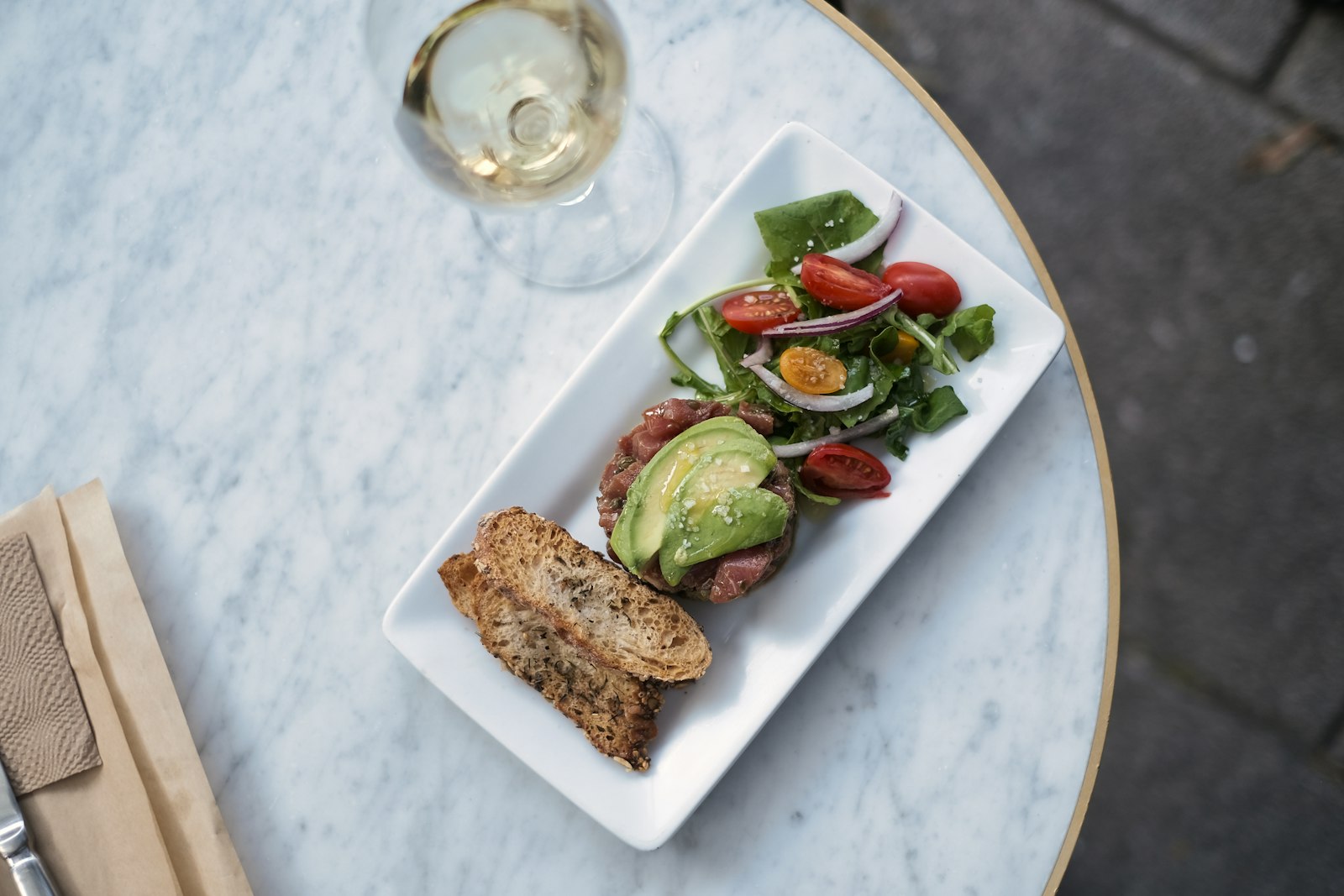
A proper bistro is a specific and slightly unfashionable thing. It is not a tasting menu, not a wine bar with food as an afterthought, and certainly not the sort of place that describes its steak frites as “elevated.” It is a room with paper or checked tablecloths, a short blackboard menu that barely changes from month to month, a wine list built for drinking rather than admiring, and a kitchen that has made peace with the idea that duck confit does not need reinventing. Singapore has never had many of these, and the ones that do exist tend to hide in plain sight, away from the more photogenic end of the city’s dining scene.
What Separates a Bistro from a French Restaurant
The distinction matters more than it might seem. A French fine-dining restaurant is built around technique on display — foams, reductions, a chef’s signature stamped on every plate. A bistro is built around comfort and repetition: the same onion soup, the same steak au poivre, the same tarte tatin, done consistently well night after night, because the pleasure is in the reliability rather than the surprise. The best bistro rooms in Singapore understand this instinctively. A converted shophouse dining room in the Duxton area does duck confit with the fat rendered slowly enough that the skin genuinely crackles, and has kept the dish essentially unchanged for years, which is precisely the point.
The Non-Negotiables
- Steak frites with frites that are actually twice-fried, not simply reheated.
- A proper vinaigrette on the side salad, not a bottled dressing.
- A wine list with at least a handful of honest, mid-priced Burgundies and Rhônes.
- Bread and butter that arrive without being asked for.
Where the Good Ones Cluster
Unsurprisingly, Singapore’s better bistros tend to sit in the same shophouse pockets that host the city’s more considered neighbourhood dining generally — Duxton, Tiong Bahru, the quieter stretches off Club Street away from the main nightlife strip. These are rooms built for regulars rather than reservations booked six months out, and they reward the kind of loyalty that lets a kitchen relax into its own rhythm rather than performing for first-time diners. For a broader survey of this same instinct across cuisines, our piece on The Case for the Neighbourhood Bistro makes the wider argument for why this style of dining deserves more attention than it gets.
The Wine List Test
One of the more reliable ways to judge a bistro before you have even ordered food is to look at how the wine list is organised. A serious bistro will have a handful of wines by the glass that actually change with the seasons, a carafe option that isn’t an afterthought, and pricing that doesn’t punish a guest for wanting a second bottle. If the list reads like it was assembled to impress rather than to be drunk, the kitchen is often chasing the same instinct — polish over pleasure. Readers who want to get more comfortable navigating exactly this kind of list should read How to Read a Wine List Without Fear, which covers the basics of ordering with confidence rather than deference.
“A bistro should never feel like it’s trying to prove anything,” one chef who trained in Lyon before opening his own room here told us. “The moment you’re impressed by the plating instead of hungry for the next bite, something’s gone wrong.”
What to Order, and How to Pace It
The classic bistro meal is built for unhurried eating — a starter of rillettes or a simple leek vinaigrette, a main of steak frites or a slow-braised daube, cheese if the room does it properly, and a tarte tatin or crème caramel to close. Resist the temptation to order for spectacle; the whole point of a bistro is that the pleasure is cumulative rather than climactic. A long lunch built around this kind of unfussy, well-executed cooking is, in our view, one of the more underrated pleasures Singapore’s dining scene has to offer, and our feature on The Art of the Long Lunch makes the case for treating a midday meal with the same seriousness usually reserved for dinner.
The Case for a Slightly Unglamorous Meal
There is something almost countercultural, in a dining scene as fixated on novelty and reservation scarcity as Singapore’s has become, about walking into a room that isn’t trying to impress you. The lighting at a good bistro is rarely flattering for photographs. The plates are not styled for a feed. Nobody is going to explain the provenance of the beef in more detail than “it’s good, trust us.” What you get instead is a kind of honesty that has become genuinely rare — a kitchen cooking food it actually believes in, for diners who have come back often enough that the relationship has moved past performance. It is worth seeking out precisely because it asks so little of you beyond an appetite and a bit of time, at a moment when so much of the city’s dining culture asks for the opposite.
The steak itself is usually the honest tell. A bistro that rests its meat properly, seasons with real intent rather than reflex, and serves it with frites that have actually been fried twice — first low to cook through, then hot to crisp — is a bistro that understands what it is for. Everything else on the menu tends to follow from that same standard, or fail to. The same honest standard applies to the slow-cooked dishes of the French countryside, as our piece on the art of the cassoulet explains.
If you are new to this style of eating in Singapore, start with lunch rather than dinner. The pace is gentler, the room quieter, and the kitchen — not yet under the pressure of a full dinner service — often has the bandwidth to do the small things properly: the vinaigrette whisked fresh, the bread genuinely warm. It is, more often than not, the better way to be introduced to a room you will want to return to.
What makes a genuine bistro worth seeking out in a city as fixated on novelty as Singapore sometimes can be is precisely its refusal to chase anything new. The best of them have quietly perfected a small, unchanging repertoire, and diners who find them tend to keep going back for exactly that reason. For the wider picture of where Singapore’s dining scene is heading, our Dining & Drinks section is worth bookmarking.
Renée has covered Singapore's restaurants for over a decade, with a soft spot for the kitchens most people walk past.