The Art of the Long Lunch
The long lunch is quietly returning to Singapore. On where to book one properly, how to pace it, and why a slow afternoon isn't time wasted.
 By Renée Tan
29 August 2026 · 5 min read

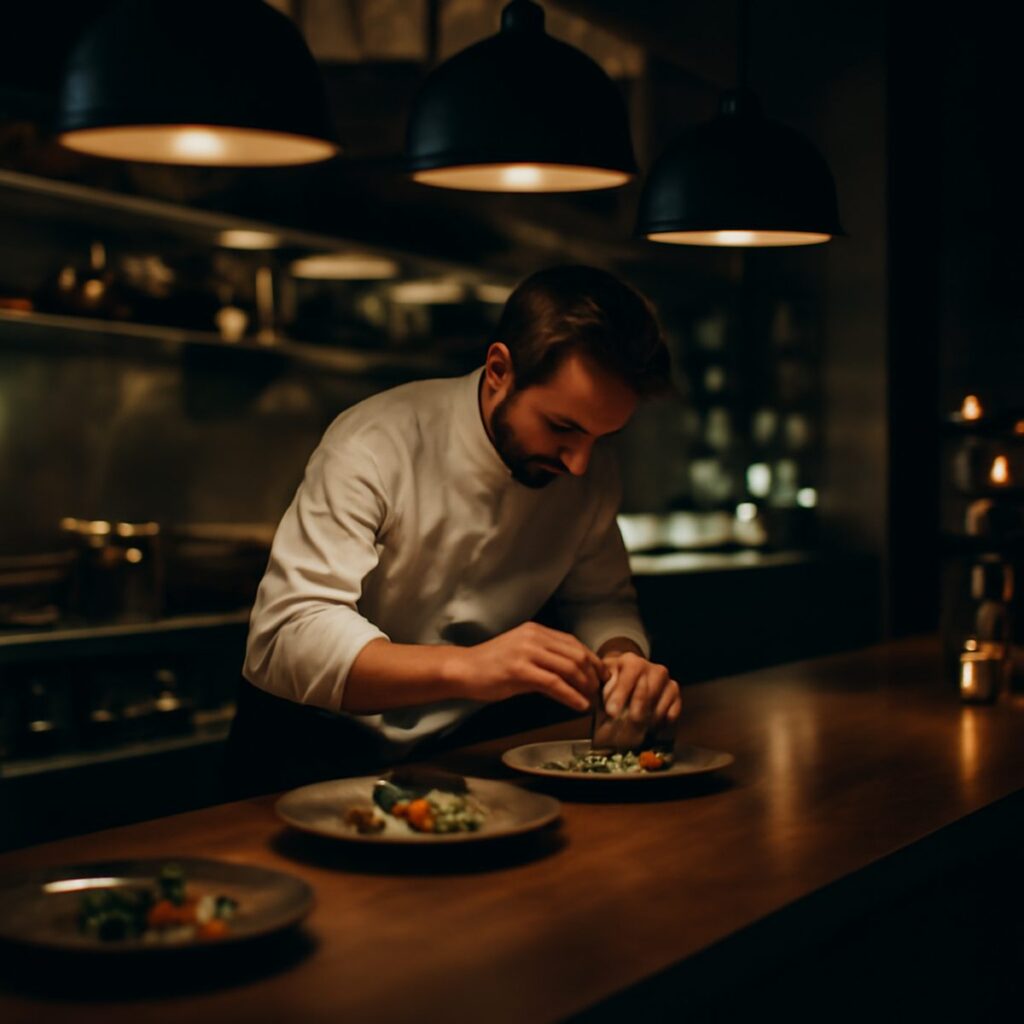
There was a period, not long ago, when the working lunch in Singapore had been reduced to a hawker plate eaten at a desk between meetings. That habit is loosening. A genuine, unhurried long lunch — the kind that starts at noon and drifts, deliberately, past three — is making a quiet comeback, and the restaurants built to accommodate it are having a very good few years.
Why the Long Lunch Disappeared
The compressed midday break that replaced it was, in retrospect, a fairly recent invention, driven by an efficiency-first work culture that treated a lingering lunch as unproductive rather than restorative. Singapore’s dining scene adapted accordingly, with many kitchens optimising lunch service for speed and turnover rather than the leisurely pacing a long lunch actually requires.
What’s Bringing It Back
A combination of factors has revived the format: more flexible working arrangements that make a three-hour midday break genuinely feasible for a wider range of professionals, a renewed cultural interest in slower, more deliberate forms of leisure generally, and a handful of restaurants explicitly building their lunch service around this pace rather than treating it as an afterthought to dinner.
How to Actually Pace One
A properly paced long lunch has its own rhythm, distinct from dinner. It typically opens lighter — a glass of something crisp rather than a full bottle committed immediately — and builds gradually, with genuine pauses between courses rather than the tightly timed service dinner service demands. The goal is not to eat and drink more than at dinner, but to eat and drink more slowly, with conversation given genuine room rather than squeezed between checking the time.
- Start with something lighter — sparkling or a crisp white — rather than committing to red immediately.
- Choose a restaurant that explicitly welcomes a slow lunch rather than turning tables quickly.
- Block genuine time in the calendar — a rushed long lunch defeats the entire purpose.
- A short walk afterwards does more for the rest of the afternoon than a strong coffee.
Where It Works Best
The neighbourhood bistro format, covered in Black Cow’s case for the neighbourhood bistro, lends itself particularly well to the long lunch — smaller rooms with a slower table-turn expectation, and kitchens built around consistency rather than novelty, which suits an unhurried pace far better than a tightly choreographed tasting menu. A handful of the tables Black Cow has flagged in five tables to book this month are worth specifically requesting for lunch rather than dinner, when the pace tends to relax considerably.
“Lunch used to be the service my kitchen dreaded — fast, transactional, over in forty minutes,” says one chef-owner who now runs a deliberately slower lunch seating three days a week. “Now it’s become some of my favourite service of the week. People actually want to be there.”
Who Actually Has Time for This
The long lunch’s revival isn’t limited to the traditionally leisured classes. Increasingly flexible working arrangements, more common since remote and hybrid work reshaped expectations across many Singapore industries, have opened up genuine midday flexibility for professionals who would once have found a three-hour lunch simply unthinkable. Freelancers, business owners and anyone with genuine control over their own calendar have led the format’s return, but a growing number of larger companies are quietly more relaxed about a long lunch than their formal policies might suggest, particularly for client entertaining or team gatherings.
Weekends, unsurprisingly, remain the format’s natural home for most people, and a Saturday long lunch has become something of a fixture for households with the flexibility to treat the middle of the day as genuinely open rather than a brief pause between errands.
Choosing the Right Company
A long lunch depends as much on the company as the restaurant. The best version of the format tends to happen with a small group — three or four people, rarely more — small enough that conversation stays genuinely shared rather than splintering into side discussions, and unhurried enough that no single person feels pressure to keep things moving. Choosing dining companions who share the same relaxed relationship with time is, in the end, as important as choosing the right table. A long lunch with the wrong company, checking their watch every twenty minutes, undoes the entire point of booking one in the first place. The best version of the format, in the end, is less about any single restaurant and more about protecting a genuinely unhurried block of time with people worth spending it on — the meal itself is almost secondary to that.
For anyone still unconvinced that a weekday afternoon is worth surrendering to a table rather than a desk, the simplest argument is the oldest one: life is, for most people fortunate enough to be reading this, considerably longer than any single deadline feels in the moment, and a good lunch, taken properly, rarely costs as much time as it seems to while you’re sitting down to start it. Book the table, clear the afternoon, and see what the rest of the day actually feels like afterwards.
The Case for Time Well Spent
There’s a lingering cultural assumption, particularly in a city built on productivity, that a three-hour lunch is time lost rather than time spent well. The counter-argument, increasingly borne out by the people actually doing it, is that a genuinely unhurried midday meal resets the rest of the day more effectively than any amount of desk-bound multitasking — a return to work with real appetite for the afternoon, rather than a slow decline through it.
Pairing It With the Right Wine
A long lunch also rewards a slightly different approach to drinking than dinner does — lighter, more food-friendly pours that won’t derail an afternoon of meetings or family time afterwards. Black Cow’s guide to the new rules of the Singapore coffee bar covers the other end of a long lunch well — where to land afterwards for the coffee that eases the transition back into the day. Explore more of the city’s considered dining culture in Dining & Drinks.
Renée has covered Singapore's restaurants for over a decade, with a soft spot for the kitchens most people walk past.