The Rise of the Neighbourhood Wine Shop
Away from the supermarket aisle and the luxury retailer, a new generation of independent wine shops is changing how Singapore buys and drinks.
 By Renée Tan
29 August 2026 · 6 min read
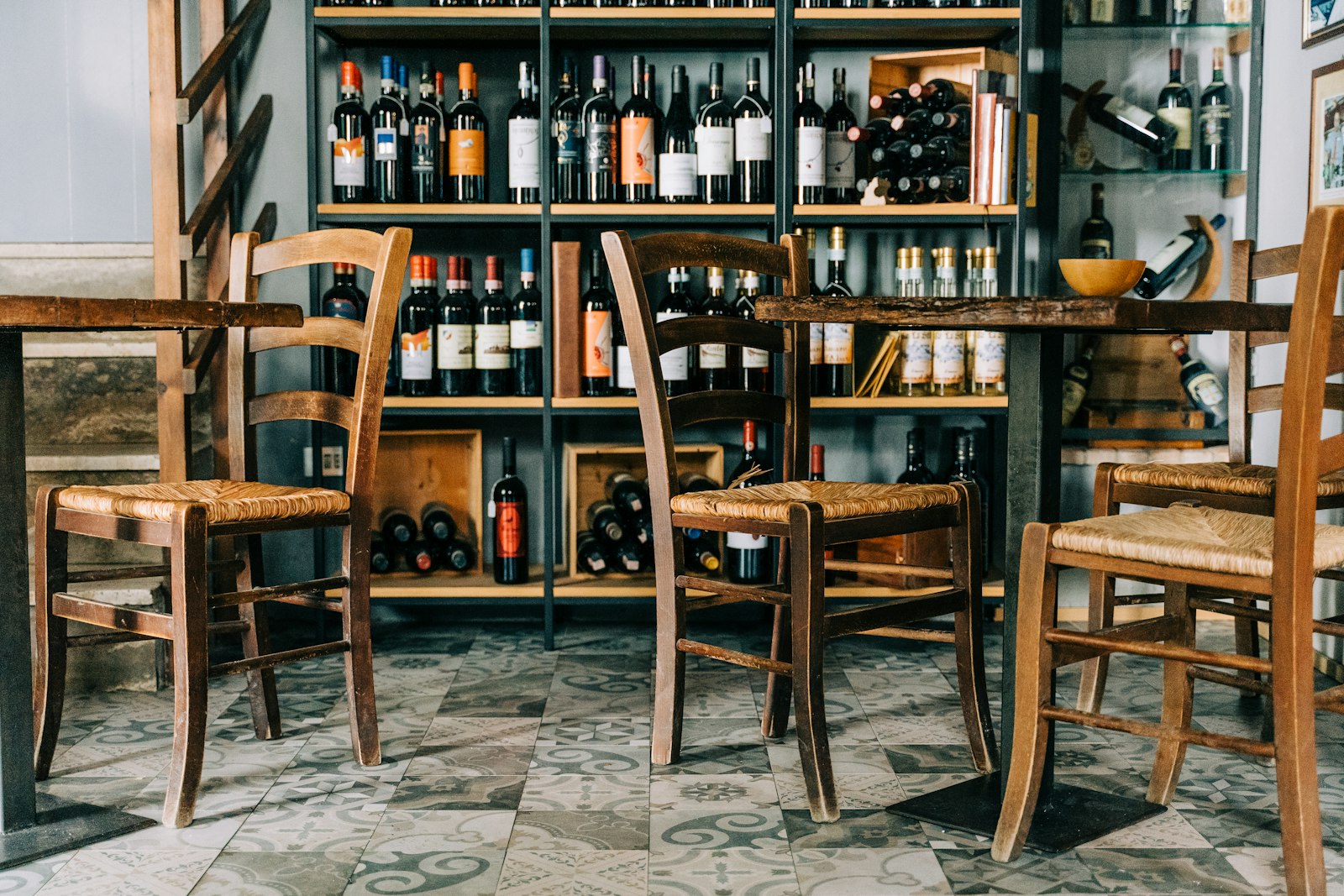
For a long time, buying wine seriously in Singapore meant one of two things: a supermarket aisle stocked with reliable but uninspired big-name labels, or a high-end retailer where the conversation quickly turned to investment-grade Bordeaux and price tags that made a casual Tuesday-night bottle feel like the wrong question to be asking. Somewhere between those two poles, a small but growing wave of independent, neighbourhood-scale wine shops has emerged, and they are quietly changing what it means to buy a bottle in this city.
What Makes These Shops Different
The defining feature of a good independent wine shop isn’t its size — most of them are modest, tucked into shophouse units or the ground floor of a low-rise block — but the relationship between the person behind the counter and the bottles on the shelf. These are, almost without exception, shops run by people who have tasted everything they sell, who can tell you not just what a wine is but what it’s for: a Tuesday dinner, a birthday, a bottle to drink now versus one to lay down. That kind of curation is difficult to replicate at scale, which is precisely why it has become the independent shops’ defining advantage over both the supermarket and the big-box retailer. Spirits lovers will find the same personal service in our guide to the best independent bottle shops, where knowledge counts for as much as range.
Small Growers Get a Foothold
One of the more significant shifts these shops have enabled is direct access to small growers who would never have secured shelf space through Singapore’s more traditional wine importers, whose portfolios have historically favoured established, high-volume producers. A neighbourhood shop willing to bring in six cases from a single grower in the Loire or a family estate in Piedmont, rather than six hundred from a négociant house, has changed what “accessible” wine looks like here. It has also, not coincidentally, dovetailed with the broader interest in low-intervention and natural wine that has taken hold across the city’s better bars and restaurants; our explainer on Natural Wine, Explained for the Curious Drinker covers the movement these shops have helped bring to a wider audience.
The Tasting Counter as Community
Several of the better shops have added a small tasting counter or a handful of stools, turning what used to be a transactional stop into something closer to a neighbourhood bar — regulars dropping by after work for a glass before deciding what to take home, informal tastings held on slow weekday evenings, staff who remember what a customer bought last time and steer them somewhere adjacent but new. This model has done more for wine education in Singapore over the past few years than any formal course could, simply by lowering the barrier to asking a question that might feel embarrassing in a more intimidating retail setting.
“People are far more willing to try something unfamiliar when they can taste two centimetres of it first and talk to someone who isn’t trying to upsell them,” one shop owner told us. “That’s really the whole model.”
How This Changes What Restaurants Pour
The ripple effect has reached restaurant wine lists too. A number of the city’s more interesting sommeliers now source at least part of their by-the-glass programme through these same independent shops rather than exclusively through traditional distributors, which has introduced smaller, more distinctive producers onto restaurant tables that would once have defaulted to safer, more recognisable names. Our profile of The Sommeliers Shaping Singapore’s Wine Lists traces several of these same relationships from the restaurant side of the counter.
Building Your Own Relationship With a Shop
The best way to use a neighbourhood wine shop is not to walk in with a fixed request but to describe what you actually like drinking and let the staff steer you somewhere adjacent. Go in with a rough budget rather than a specific bottle in mind, mention a dish or an occasion, and be honest about what you didn’t enjoy last time — that feedback loop, repeated over a handful of visits, is how these shops earn the loyalty that keeps small operations like this viable in a market with Singapore’s rents. For readers building a more serious relationship with wine at home, our guide to The 12 Cellars Every Collector Should Know is a useful next step once a shop’s recommendations start pointing towards producers worth following more closely, and How to Read a Wine List Without Fear covers the same instinct applied at the restaurant table.
Storage, and Why It Matters More Than People Think
One quiet advantage of buying from a shop with a real cellar, rather than a supermarket shelf sitting under fluorescent light, is that the bottles have usually been stored properly before they ever reach you — kept cool, kept still, away from the kind of heat and light exposure that can quietly ruin a wine’s ageing potential long before a customer ever notices anything wrong. This matters more in Singapore’s climate than almost anywhere else; a wine left in a hot delivery van or a poorly insulated stockroom for even a few days can be measurably worse than the same bottle stored correctly, even if nothing about the label changes. Ask a shop how they store their stock, and how quickly they turn it over — the good ones will have a ready answer, because they’ve thought about it.
It’s also worth asking about temperature-controlled delivery if you’re buying anything meant to age rather than drink immediately. Several of the better independent shops now offer this as standard, having learned the hard way that a beautiful bottle mishandled in transit is a wasted sale and an unhappy customer. It is a small detail, but it is exactly the kind of small detail that separates a shop worth building a relationship with from one that is simply moving stock.
What these shops represent, ultimately, is a shift away from wine as status object and towards wine as something to be genuinely curious about — a shift that Singapore’s dining culture, increasingly confident and increasingly willing to look past big names, seems ready for. For more on where the city’s drinking culture is heading, our Dining & Drinks section is worth following.
Renée has covered Singapore's restaurants for over a decade, with a soft spot for the kitchens most people walk past.