Natural Wine, Explained for the Curious Drinker
A natural wine guide written for the genuinely curious rather than the already converted, cutting through the funky-label mystique to what's in the glass.
 By Renée Tan
29 August 2026 · 6 min read
By Renée Tan
29 August 2026 · 6 min read

Natural wine has a branding problem, and it is largely of its own making. Wander into the wrong bar and you will be handed something cloudy, faintly funky, and served with more attitude than explanation, which has left a great many genuinely curious drinkers assuming the entire category is an acquired taste reserved for people with tote bags and strong opinions. That reputation does the actual wine a disservice. Stripped of the mystique, natural wine is a fairly simple idea: wine made with minimal intervention, both in the vineyard and the cellar, letting fermentation happen with wild rather than cultivated yeasts and adding little to nothing beyond the grapes themselves.
What “natural” actually means, since there’s no legal definition
Unlike organic or biodynamic certification, “natural wine” has no formal legal standard, which is precisely why the category can feel confusing to a newcomer. In practice, most wines carrying the label share a cluster of traits: organically or biodynamically farmed grapes, native yeast fermentation rather than commercial yeast strains, minimal or no fining and filtration, and little to no added sulphur beyond what occurs naturally during fermentation. The absence of heavy filtration is why many natural wines appear cloudy in the glass — a visual cue that unsettles drinkers trained to associate clarity with quality, when in this context it simply reflects a different production choice.
Orange wine, demystified
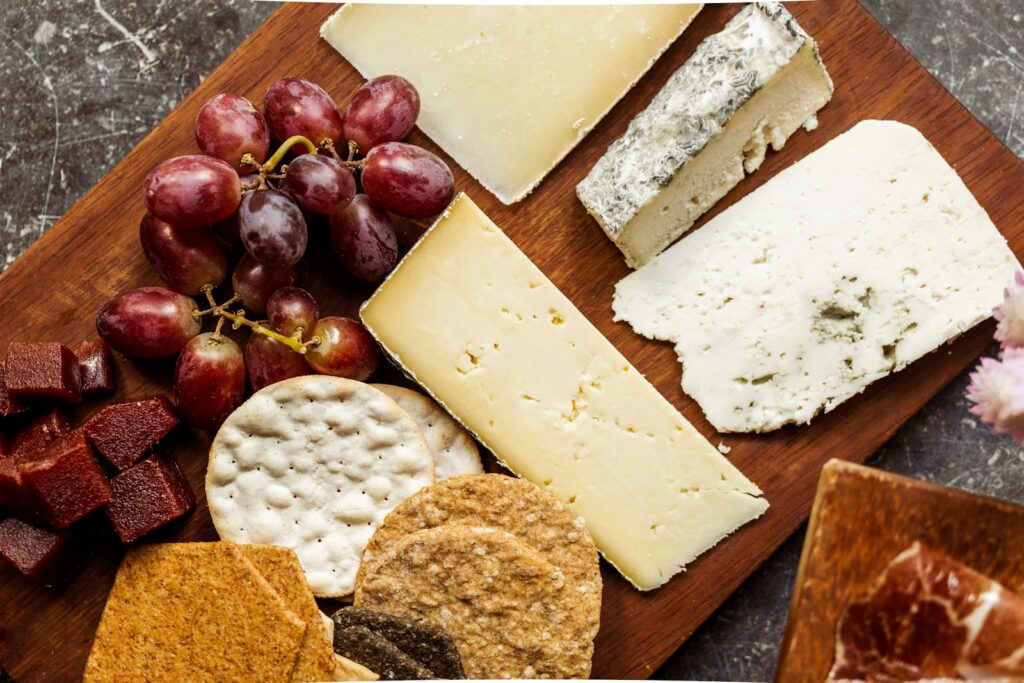
Orange wine causes more confusion than any other natural wine subcategory, largely because the name suggests a grape variety rather than a technique. It is, in fact, white wine made like red — the grape skins left in contact with the juice during fermentation, which is standard practice for red wine but unusual for white, and which extracts tannin, texture, and that distinctive amber-orange hue. The result sits somewhere between a white and a light red in character: more textured and food-friendly than a typical crisp white, with tannic structure that pairs surprisingly well with dishes usually reserved for red wine. Anyone building out a home cheese course would do well to try an orange wine alongside a firm aged cheese — the guide in how to build a cheese board worth sharing covers this pairing logic in more detail.
- Look for orange wine Singapore bars now stock from small producers in Georgia and Slovenia, where the technique has centuries of tradition behind it rather than being a recent trend.
- Start with a lighter-skin-contact example before moving to more extreme, longer-contact styles, which can be genuinely challenging for a first taste.
- Serve slightly cooler than a typical red but warmer than a crisp white — somewhere around cellar temperature works well.
Why the funk is sometimes the point, and sometimes a flaw
Natural wine’s reputation for unpredictability is not entirely unfair. Minimal intervention means minimal safety net, and a badly made natural wine can genuinely taste of cider vinegar or wet cardboard in a way a conventionally made wine rarely does, thanks to more forgiving production techniques. The skill in navigating the category is learning to distinguish intentional character — a pleasant, barnyard-adjacent funk that some drinkers grow to love — from an actual production fault. This is where a good, honest merchant becomes invaluable, and it is worth seeking out the kind of low-intervention specialists profiled in the low-intervention bar list, explained, who will taste you through a flight rather than simply pointing at the funkiest bottle on the shelf.
“Natural wine isn’t about chaos. The good producers are more disciplined than conventional winemakers, not less — they just have fewer tools to hide behind,” a composite Singapore-based wine importer told us.
Storage and serving quirks worth knowing
Natural wine behaves differently in storage than conventional wine, largely because of the lower or absent sulphur content that would otherwise act as a preservative. Bottles are generally more sensitive to temperature fluctuation and light exposure, and many are best drunk within a few years of release rather than cellared long-term, in contrast to a conventional fine wine bought specifically to age. A wine fridge kept at a consistent, cool temperature is a worthwhile investment for anyone building a natural wine collection of any size, more so than for a conventional collection where a slightly imperfect storage environment is more forgiving.
Serving temperature deserves similar attention. Many natural reds are best served with a slight chill, cooler than a conventional red would typically be poured, which helps tame any funkier notes and keeps the wine feeling fresh rather than heavy — a serving style that can feel counterintuitive to drinkers used to conventional red wine etiquette but that consistently improves the drinking experience once tried.
Where to start, practically
The most approachable entry point for a curious drinker is not orange wine but a natural pét-nat — a lightly sparkling wine made using an older, simpler method than traditional champagne production, typically fresh, fruit-forward, and forgiving of a newcomer’s palate. From there, a light-bodied natural red, gently chilled, tends to be the next comfortable step before venturing into orange wine or the more challenging skin-contact styles. Those interested in complementary spirits worth exploring alongside this education should also see a field guide to Japanese whisky, another category where technique and terroir reward similarly patient study.
A note on price, and managing expectations
Natural wine is rarely the cheapest option on a list, and it is worth understanding why before feeling misled by the price tag. Smaller yields, organic or biodynamic farming, and the higher failure rate inherent in minimal-intervention winemaking all push costs up relative to conventionally produced wine at a similar quality tier. Treat the category as you would any small-batch, artisanal product — the premium reflects genuine scarcity and labour rather than clever marketing, even if the unassuming label rarely signals that at first glance.
Finding it in Singapore
The city’s natural wine scene has matured considerably over the past several years, moving from a handful of specialist importers to a genuine presence on wine lists at composite restaurants across town, several of which appear in our round-up of the restaurant openings to watch this quarter. For drinkers ready to explore further, our broader Dining & Drinks coverage continues to track the best bottles and bars as the category keeps growing.
Renée has covered Singapore's restaurants for over a decade, with a soft spot for the kitchens most people walk past.