The Sommeliers Shaping Singapore’s Wine Lists
A new generation of sommeliers is reshaping how Singapore drinks. Here is who they are, and what they think deserves a place on your table tonight.
 By Renée Tan
29 August 2026 · 6 min read
By Renée Tan
29 August 2026 · 6 min read
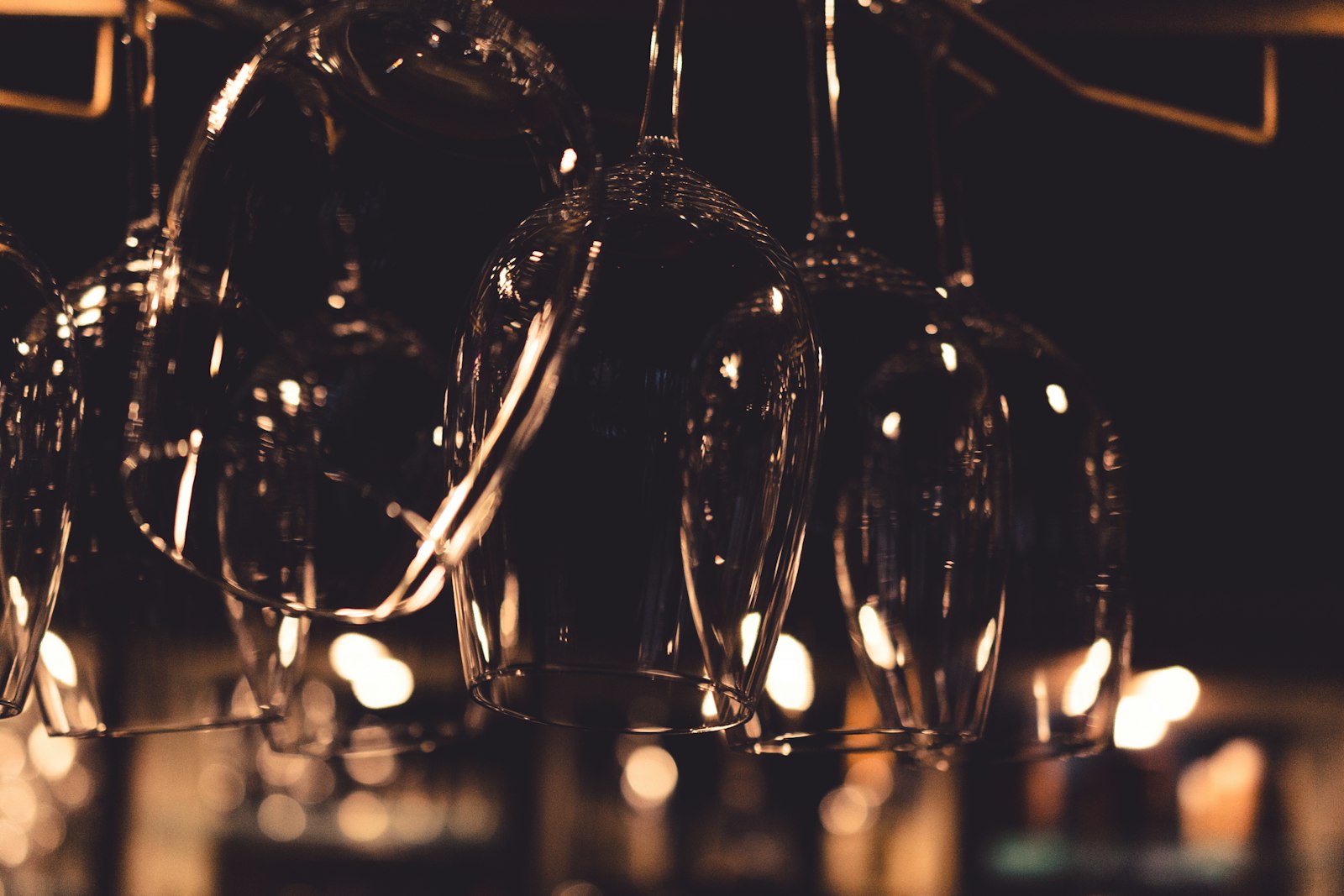
A wine list used to be a fairly predictable document — a handful of big Bordeaux names for prestige, a safe Burgundy or two, something Australian for the middle of the price range. That template has been quietly dismantled over the last decade by a generation of sommeliers in Singapore who treat the list less as an inventory and more as an argument: a considered point of view about what deserves to be poured, built region by region, often with far more conviction than the safest commercial choices would suggest.
From Service Role to Curator
The modern sommelier’s job has expanded well beyond recommending a pairing tableside. The best now spend a significant share of their time travelling to meet small producers directly, building relationships that secure allocations of wine that never reach the open market, and educating both restaurant staff and guests on why an unfamiliar region or grape deserves a chance. This curatorial instinct has reshaped what actually appears on Singapore’s best lists — considerably more grower Champagne, natural and low-intervention wine, and bottles from regions that would have been considered too obscure to stock a decade ago.
The Regions Getting a Second Look
Where a wine list once leaned almost entirely on France and a handful of established New World names, the sommeliers driving this shift are increasingly building space for regions long overlooked by the mainstream trade — Austria’s crisp, mineral whites, Georgia’s amber wines made in clay qvevri, Jura’s oxidative styles that reward genuine curiosity over easy crowd-pleasing. None of this is done for novelty’s sake. It reflects a genuine belief that interesting wine, well chosen, is a better use of a limited number of slots on a list than another safe, familiar bottle. Chenin blanc is one grape that has benefited from this broader view, and our guide to the best Vouvray and Chenin Blanc lists covers the restaurants pouring it well.
What the Best Lists Now Share
- A clear point of view rather than an attempt to cover every region evenly
- Direct relationships with small producers, not just distributor catalogues
- Genuine depth in at least one unexpected region
- Staff trained to talk through an unfamiliar bottle with real enthusiasm, not just a script
Building Trust With a Guest, One Glass at a Time
The most effective sommeliers in this city have learned that the fastest way to move a guest towards something more adventurous is not persuasion but a small, low-stakes taste offered before committing to a bottle. A generous pour of something unfamiliar, offered with genuine warmth rather than a sales pitch, does more to expand a guest’s palate over a single evening than any amount of explanation on its own. For a sense of how that thinking plays out with a single grape, our guide to the best Sancerre and Sauvignon lists offers a useful example.
“My job isn’t to sell the most expensive bottle on the list,” one Singapore-based sommelier has said. “It’s to make sure whatever leaves the cellar actually makes someone’s evening better than it would have been otherwise.”
Training the Next Generation
Much of this shift is also generational in a more literal sense. The sommeliers now running Singapore’s most interesting lists have, in turn, begun mentoring a younger cohort coming up through the floor, passing on not just tasting technique but the relationships with importers and producers that took years to build. This matters more than it might seem from the outside — a wine programme’s real value is rarely just the bottles currently on the list, but the network of trust behind it, built one allocation and one visit at a time, that determines what will be available to pour five years from now.
This mentorship has also shifted how service itself is taught. Where an older generation of sommeliers was trained primarily to recite facts about a bottle — vintage, region, grape — the newer approach emphasises reading a guest correctly first, then choosing what and how much to explain. A confident regular wants a quick, precise recommendation; a curious first-timer wants the story behind it. Teaching staff to distinguish between the two, quickly and without condescension, has become as much a part of sommelier training as blind-tasting technique itself.
The Cellar as Long-Term Project
Behind every serious wine list is a cellar being built over years, not assembled for a single opening. The sommeliers doing the most interesting work now think in decades — laying down vintage Champagne and structured reds that will not be ready to pour for a decade, betting that the restaurant, and their own tenure within it, will still be there to see the investment through. It is a slow, patient discipline that runs directly counter to the speed of most other parts of the hospitality industry, and it is precisely what gives the best cellars in Singapore their depth today.
Reading a List Like a Sommelier Would
A guest does not need years of training to borrow a little of this instinct at the table. Scanning a list for the region a restaurant clearly cares most about — often signalled by unusual depth in one particular section rather than broad, shallow coverage everywhere — is usually the fastest way to find where a sommelier’s real passion and effort has gone. That section, more than the familiar names at the top of the list, is generally where the evening’s best bottle is quietly waiting.
It is also worth simply asking a direct question rather than defaulting to the safest, most recognisable name on the page: what would you actually pour tonight, for yourself. Most sommeliers welcome the question warmly, and the answer is very often the most interesting bottle on the entire list — precisely because it is rarely the one that sells itself without being asked about.
For readers looking to put some of this thinking into practice at home, Black Cow’s guide to natural wine, explained for the curious drinker is a useful primer on exactly the kind of bottles these sommeliers have been quietly championing, while champagne, explained for the curious drinker covers the grower producers increasingly filling out the city’s best lists. For the full picture of where Singapore eats and drinks with real intent, Black Cow’s Dining & Drinks section tracks the rest of the landscape in the same considered spirit.
What unites this generation of sommeliers is not a shared taste in wine, but a shared conviction that a list should say something. The best ones in Singapore right now are not simply pouring what sells. They are quietly building an argument for what deserves to — one allocation, one mentored junior, and one carefully cellared bottle at a time, with the confidence that a guest willing to trust them will very often leave having discovered something worth returning for.
Renée has covered Singapore's restaurants for over a decade, with a soft spot for the kitchens most people walk past.