The Best Vouvray and Chenin Blanc Lists
Chenin Blanc may be the most versatile white grape in the world, and Vouvray shows why — dry, off-dry or sweet, all from the same patient vines.
 By Renée Tan
31 August 2026 · 6 min read
By Renée Tan
31 August 2026 · 6 min read
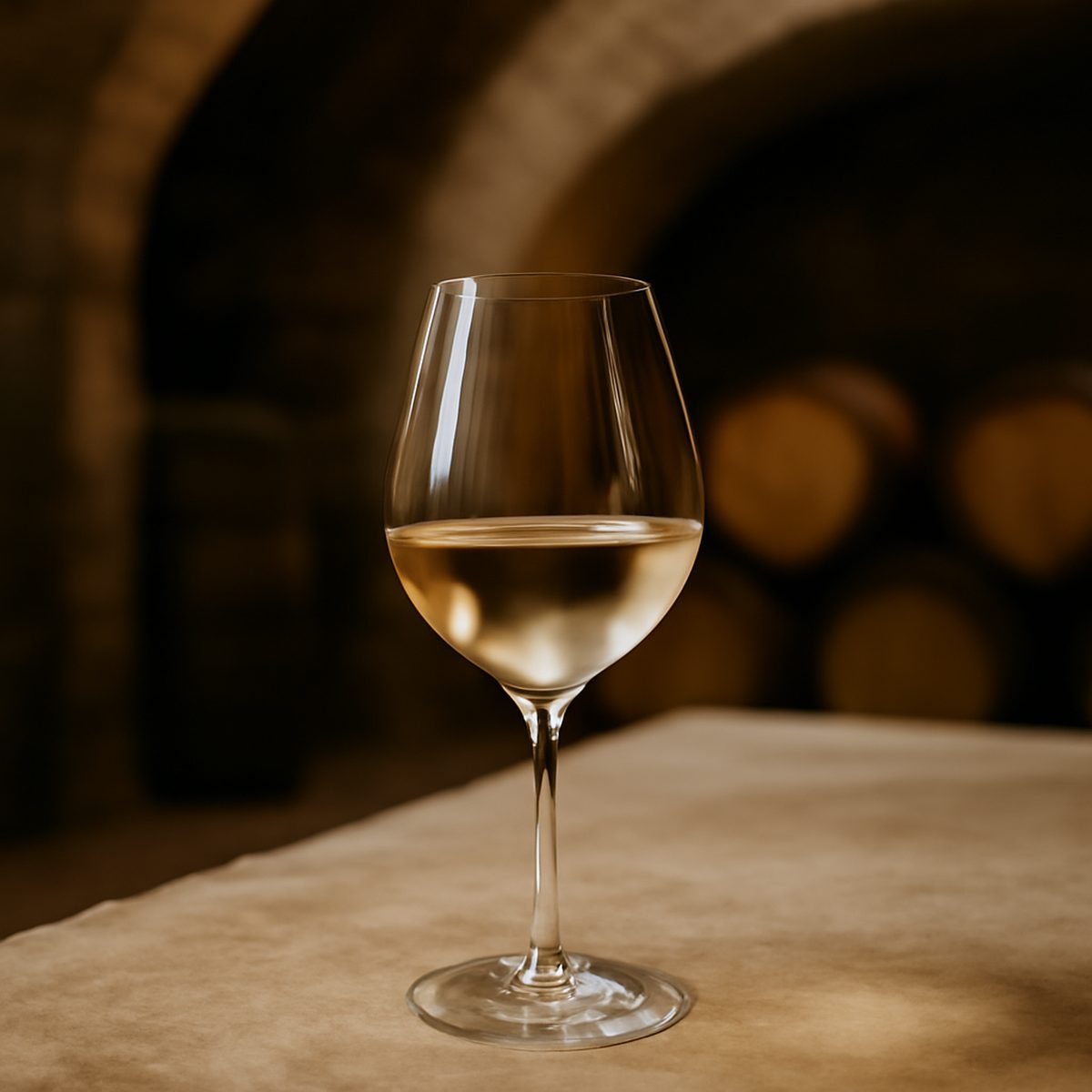
No white grape asks for as much patience, and rewards it as generously, as Chenin Blanc grown on the tuffeau limestone of the middle Loire. Vouvray, its most famous appellation, has spent decades in the shadow of Sauvignon Blanc and Chardonnay on most Singapore wine lists, which is a genuine loss, because Chenin Blanc grown well here does something almost no other white grape manages: it produces bone-dry, off-dry and lusciously sweet wines from the very same hillside, sometimes from the very same vintage, depending entirely on how a grower reads the season.
Understanding the sweetness spectrum
This is where most newcomers to Vouvray get lost, and where a good wine list should be doing more explaining than it typically does. Sec means dry, moelleux means sweet, and demi-sec sits somewhere in between — but unlike most wine regions, where sweetness level is a stylistic choice made in the cellar, Vouvray’s range is largely dictated by the vintage and by botrytis, the noble rot that concentrates sugar in grapes left on the vine into late autumn. A grower might make a fully dry sec in a cooler year and a rich, honeyed moelleux in a warmer one, using the same plot of vines, simply because the grapes ripened differently.
This matters practically, because it means a bottle labelled Vouvray tells you almost nothing about what’s in the glass until you check the back label or ask the sommelier directly. The better wine programmes in Singapore have started listing sweetness level clearly alongside vintage, which sounds like a small courtesy but represents a genuine improvement over lists that simply group “Loire whites” together without distinction.
Why Chenin Blanc rewards the patient drinker
Young Chenin Blanc, particularly in its dry expressions, can seem almost austere — high acid, wet stone minerality, a certain reticence on the nose that puts off drinkers expecting the immediate fruit of a New World Chardonnay. Given even a few years in bottle, though, it opens into something genuinely singular: honeyed apple, quince, a waxy texture that coats the palate without ever feeling heavy, and an acid spine that keeps even the sweetest moelleux from ever tasting cloying. It is, in our view, one of the most underrated ageing whites available on Singapore’s better lists, and one of the few that improves meaningfully with five to ten years of patience most drinkers are unwilling to extend to a white wine.
- Ask specifically for sec, demi-sec or moelleux — don’t assume from the label alone
- A sec Vouvray pairs beautifully with local seafood and even some spiced hawker dishes, thanks to its acidity
- Moelleux styles are a genuine alternative to dessert wine with blue cheese, not just fruit tarts
- Look for a vintage at least three to five years old if the list has one — younger bottles rarely show the grape at its best
Where it sits against its Loire neighbours
Vouvray is only one expression of a grape and a river valley that stretches considerably further, and readers keen to explore Chenin Blanc’s range further along the Loire, alongside the region’s reds, should look at our companion guide to Loire and Cabernet Franc, which covers the lighter, more savoury reds that share the same limestone soils and often the same growers’ portfolios. Together the two styles make a genuinely compelling case for a region still underrepresented on most Singapore wine lists relative to its quality.
“Chenin is the grape I’d put in front of a sceptic,” one sommelier told us over a flight of three Vouvrays at increasing sweetness levels. “By the third glass, they’ve usually stopped asking for Chablis.”
Building this into a home cellar
For anyone keen to start collecting rather than simply drinking Vouvray on the occasional restaurant visit, the wines age gracefully in a standard home wine fridge and don’t demand the kind of investment that Burgundy or Bordeaux collecting requires. Our broader guide to the sommeliers shaping Singapore’s wine culture is a useful starting point for understanding which local programmes take Chenin Blanc seriously, and our list of the city’s best fine wine merchants will point you toward specialists who actually stock a range of sweetness levels rather than a single, safe, dry bottling.
Storage conditions matter more with Vouvray than with most everyday whites, precisely because its whole appeal often depends on the bottle having had time to develop. A consistent, cool temperature — the kind a proper wine fridge provides rather than a kitchen cupboard subject to Singapore’s heat and humidity swings — protects the wine’s acid structure and lets those honeyed, waxy notes develop gradually rather than collapsing into flatness. It’s a modest investment for a wine style this rewarding, and one that pays off considerably more than cellaring a bottle of everyday Sauvignon Blanc that was always meant to be drunk within the year. For the Loire’s other great white grape, our guide to Sancerre and Sauvignon lists considers where it is best poured.
Pairing beyond the obvious
Most pairing advice for Vouvray stops at seafood and cheese, which undersells the wine’s range considerably. A sec Vouvray’s high acidity and mineral backbone make it a genuinely useful partner for the fattier end of Singapore’s hawker repertoire — think roast duck, char siew, or a rich claypot rice — where its brightness performs much the same balancing role that a squeeze of calamansi does for those same dishes. Demi-sec styles, meanwhile, sit beautifully alongside mildly spiced dishes, where a touch of residual sugar tempers chilli heat without ever feeling saccharine, a trick most dry whites simply can’t manage. It is, in the end, one of the more food-flexible white wines a considered cellar can hold, adaptable across a far wider range of Singapore’s own table than its Loire origins might suggest.
A grape worth reconsidering
Vouvray rarely gets the attention on a wine list that its versatility deserves, overshadowed by more fashionable regions that ask far less patience of the drinker in return. But a glass of well-aged sec, or a small pour of moelleux alongside something salty and sharp, makes a persuasive case on its own terms. For everything else worth pouring this season, our Dining & Drinks section carries the rest of the city’s better wine coverage.
Renée has covered Singapore's restaurants for over a decade, with a soft spot for the kitchens most people walk past.