The Art of Travelling for Food
Travelling for food is less about the reservation list and more about leaving enough room in the itinerary to follow an unplanned smell down an alley.
 By Marcus Lim
29 August 2026 · 6 min read
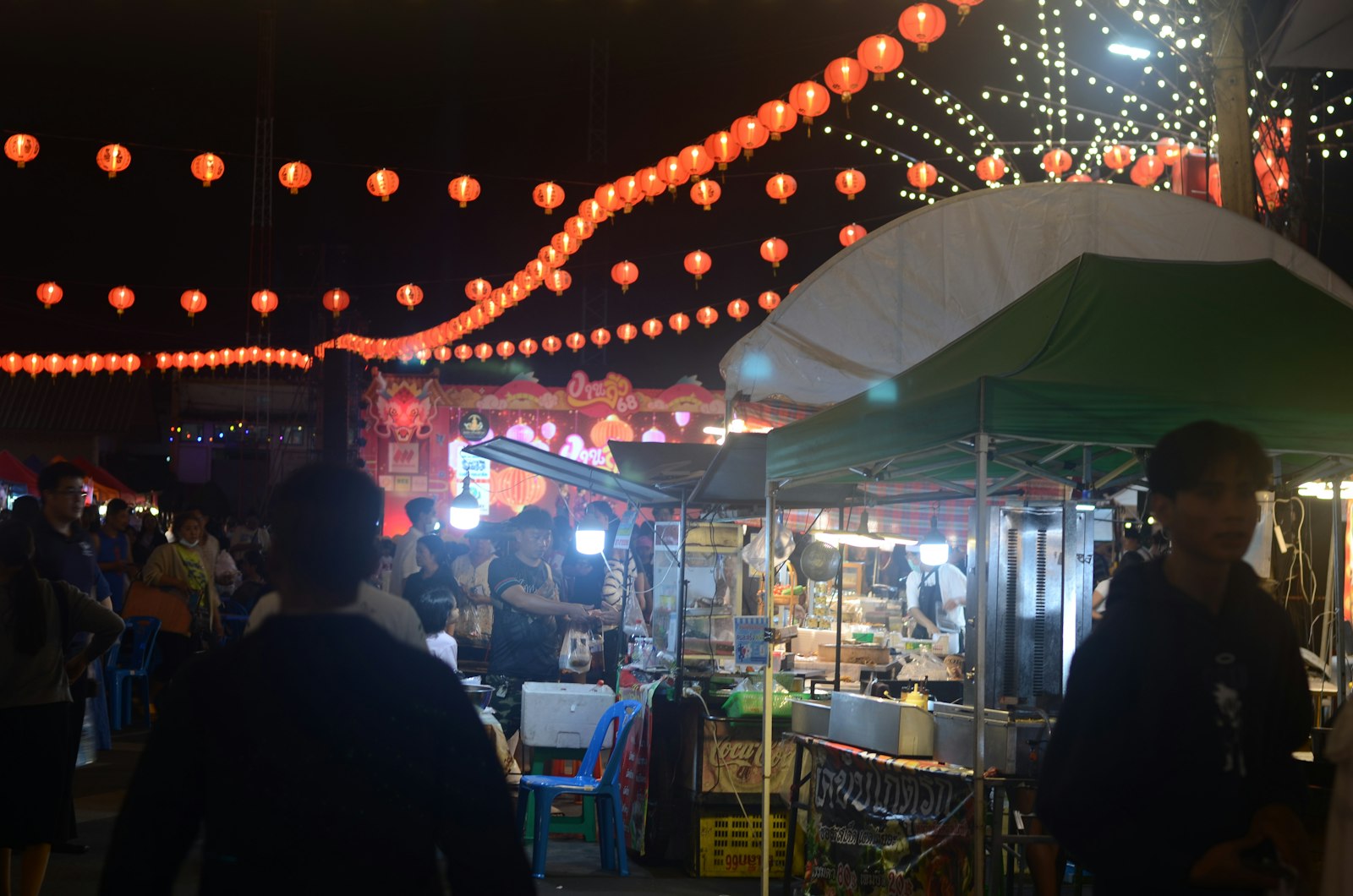
There is a particular failure mode in culinary travel that afflicts even experienced eaters: the spreadsheet trip. Every meal booked months in advance, every stall pre-researched, every dish photographed before it’s tasted. It produces a busy trip and a full camera roll, but rarely the kind of meal people actually remember years later — the one found by accident, eaten standing up, that reorders how you think about a cuisine entirely.
The best food travel treats the itinerary as scaffolding, not script. Book the two or three meals that genuinely require advance planning — a tasting menu with a six-week waitlist, a specific stall that closes the moment the day’s ingredients run out — and leave the rest of the trip loose enough to wander, ask, and occasionally get it wrong.
Research the culture, not just the restaurants
A list of names copied from someone else’s trip report tells you almost nothing about how a place actually eats. Understanding the rhythm of a food culture — when the market opens and closes, whether lunch or dinner is the more serious meal, which dishes are eaten only at specific times of year — does far more for a trip than any ranked list. This is especially true across Southeast Asia, where street food operates on a logic entirely its own, covered in some depth in a field guide to Southeast Asian spice, which is as useful a primer as any single restaurant recommendation.
Markets, in particular, reward unhurried attention. Arriving at dawn, before the day’s heat sets in and before the stalls catering to tourists have opened, shows a food culture at its most honest — vendors restocking, regulars ordering without needing to look at a menu, and produce that will be gone by lunchtime.
The case for eating where locals eat
- Queue length among locals, not online reviews, remains the single best indicator of quality in most of Asia.
- A stall or restaurant with a limited, single-focus menu has usually earned that focus through decades of repetition.
- The best meals are rarely the most photogenic — plastic stools and fluorescent lighting are not a red flag.
Learning to order properly
Nothing improves a food trip faster than a working vocabulary of a handful of dish names and the confidence to point, rather than defaulting to whatever the English-language menu suggests is safe. A chef who has spent years guiding culinary tours through the region put it well: “The best thing a traveller can do is stop asking what’s popular and start asking what the vendor eats themselves after closing.” That single question, asked with genuine curiosity rather than performance, tends to unlock a far more interesting meal than any guidebook entry.
Learning to order sushi with the same intent and confidence, a related discipline covered thoroughly in how to order sushi like you mean it, is a useful case study in how much difference basic etiquette and vocabulary make to the quality of an experience, well beyond Japan specifically.
Pacing a food-focused itinerary
The instinct to cram in every meal of the day at maximum ambition burns travellers out by day three. A properly paced culinary trip treats one meal per day as the anchor — worth planning, worth resting for — and keeps the others loose, small, and opportunistic: a snack from a stall that smelled too good to pass, a second breakfast because the first one was disappointing. This mirrors the broader argument made in the art of the long lunch, that the best meals are rarely rushed and rarely the only thing scheduled that day.
Where to point a culinary trip next
Vietnam’s central coast, and Hoi An specifically, has become one of the region’s most rewarding food destinations precisely because its old-town scale keeps everything within walking distance — a case made in full in a weekend in Hoi An. For travellers building a food-first itinerary that also wants to fold in the region’s chefs working with hyper-local, often-overlooked ingredients, the chefs cooking with native ingredients is a useful companion, since several of the destinations worth visiting for food are increasingly defined by exactly this movement.
For anyone assembling a broader Southeast Asian trip around eating well, it is worth browsing more widely across Travel & Stays, where several regional food-focused itineraries live alongside this one. The common thread across all of them is the same: leave room. The meal that ends up defining the trip is rarely the one that was booked.
Handling dietary limits without losing the plot
Travellers with genuine dietary restrictions often assume culinary travel is closed off to them, and that assumption does them a disservice. The better approach is research rather than avoidance — understanding which regional cuisines naturally accommodate a restriction, rather than expecting every stall to adapt on request. Vegetarian eating across much of Southeast Asia, for instance, is often easier than expected given the deep vegetable and legume traditions running through the region’s cooking, provided the traveller knows which dishes to seek out and which broths to ask about carefully.
A few words of the local language explaining an allergy or restriction go a considerably longer way than an app-translated paragraph, and it is worth learning them properly before departure rather than relying on gestures at the counter. Street vendors, in particular, tend to respond far better to a direct, simple request than a complicated one, and a genuine restriction explained clearly is treated with far more care than most travellers expect.
Bringing a little of it home
The best food trips leave a mark well beyond the return flight — a spice blend picked up at a market, a new technique learned in a half-day cooking class, a habit of visiting the wet market before breakfast that somehow persists for a week or two after landing back in Singapore. Buying a small amount of a regional ingredient, provided it clears customs, is often a better souvenir than anything found in a gift shop, and it keeps a version of the trip alive on the shelf for months afterward.
Travelling for food, done properly, is less an itinerary than a posture — curious, a little hungry, willing to follow a smell down an alley you hadn’t planned to walk down. Everything else is just logistics around that instinct.
Marcus writes on travel and hospitality across Asia, and is happiest a long way from a lobby.