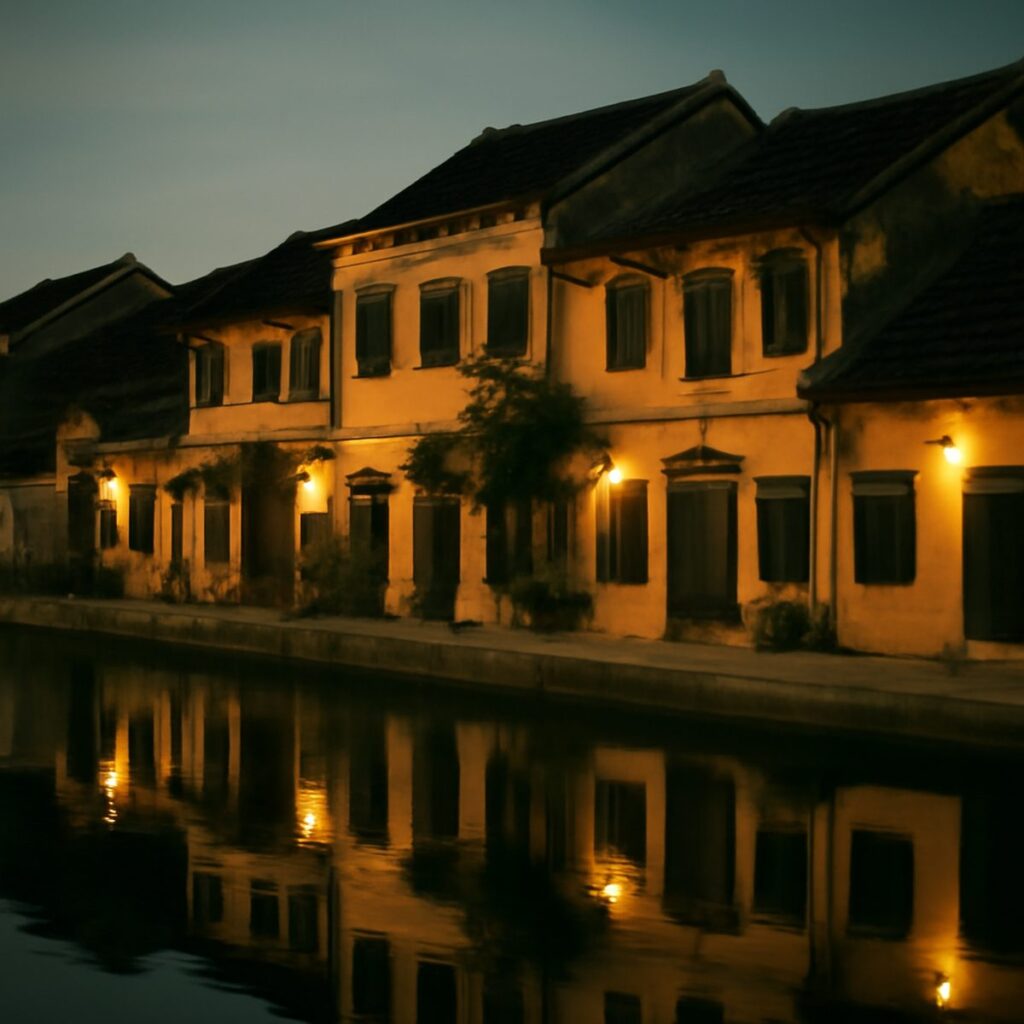
How to Do a Grand European Rail Trip
Europe's rail network has quietly become the most civilised way to cross the continent again, provided the itinerary is built with real care.
 By Marcus Lim
29 August 2026 · 6 min read
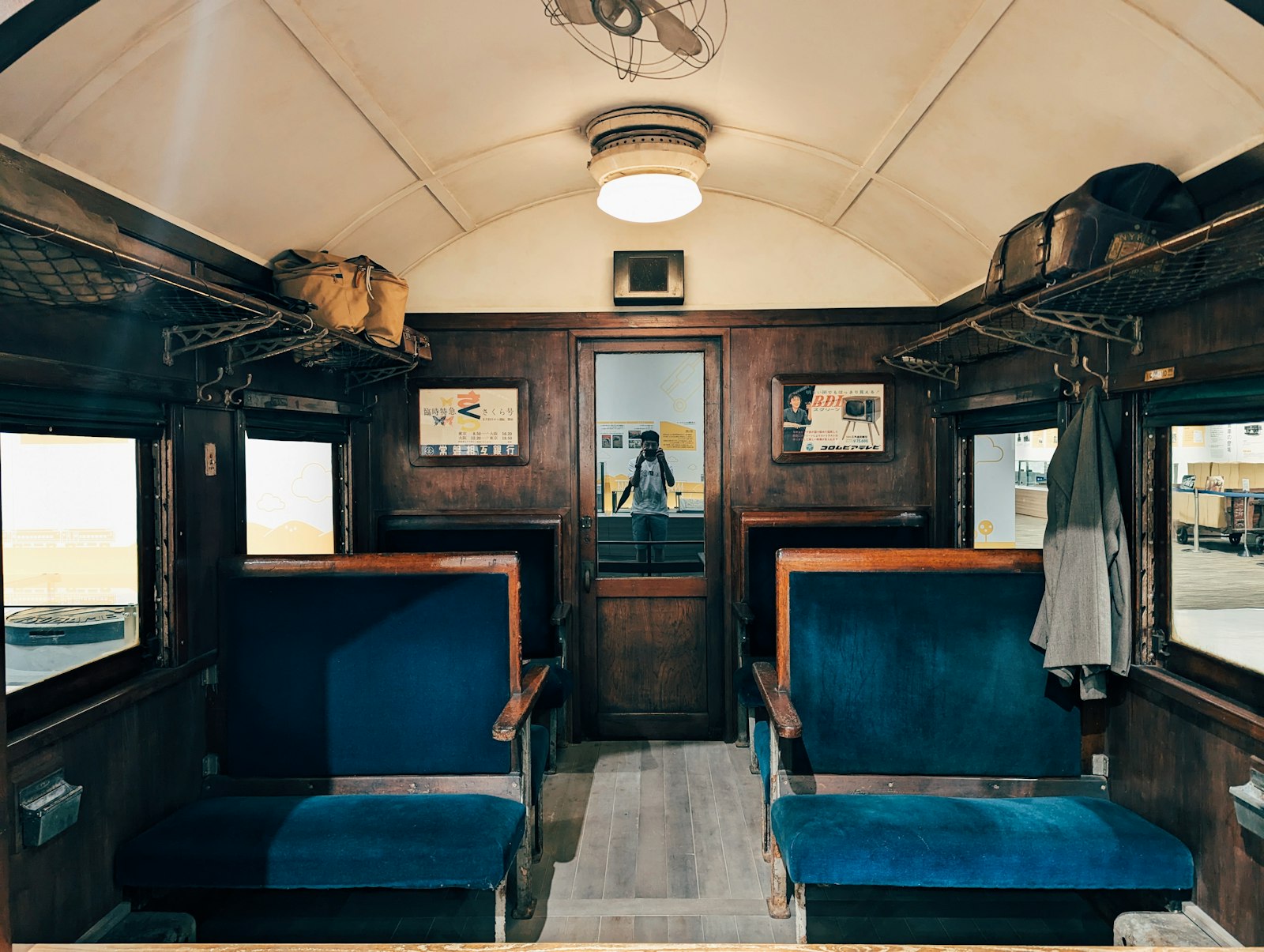
There was a period, not so long ago, when flying between European cities felt like the obviously sensible choice — cheap, fast, and rail seen as a nostalgia act for people with too much time. That calculus has shifted meaningfully. A new generation of night trains has returned to routes that lost service decades ago, and a growing number of travellers are discovering what earlier generations always knew: the journey between two European cities can be as memorable as either destination.
A grand rail trip is not simply point-to-point transport with better legroom. Done properly, it is an itinerary built around the train itself — the changing landscape outside the window, a dining car with an actual kitchen, a sleeper compartment that turns an overnight transfer into an experience rather than a chore.
Choosing the spine of the trip
The most rewarding routes tend to follow a natural geographic or cultural through-line rather than jumping erratically between capitals. A journey tracing the Alps from Switzerland into northern Italy, or one following the Rhine and Danube through central Europe, gives the trip a narrative the plane simply cannot replicate — mountains giving way to vineyards, vineyards giving way to river towns, each leg a visible progression rather than an abstraction above the clouds.
Two to three weeks is the realistic minimum for a genuinely grand version of this trip; anything shorter tends to compress into a series of rushed transfers rather than the slow unspooling the format is built for.
The overnight legs are the whole point
A handful of revived and heritage sleeper services now operate proper private compartments, sometimes with en-suite facilities, a dedicated steward, and a dining car serving a genuine multi-course dinner as the countryside slides past in the dark. These are considerably more expensive than a daytime second-class seat, and worth every euro of the difference — an overnight sleeper effectively folds transport and accommodation into a single night, freeing up an extra day at each end that a flight itinerary would otherwise burn on airport transfers.
What to book ahead versus leave open
- Sleeper compartments on the marquee overnight routes — these sell out months in advance during peak season.
- Daytime regional legs between smaller towns, which can usually be booked a day or two ahead with far more flexibility.
- At least one unplanned stopover day, ideally in a smaller town with no particular reputation to live up to.
Packing for a train, not a flight
Rail travel rewards a different packing logic than air travel — softer luggage that stows easily in a compartment, layers for carriages that run either too warm or too cold, and, ideally, a genuinely light load given the amount of walking between platforms on a multi-leg itinerary. This connects naturally to the broader case made in the art of travelling light, in style, since nowhere is over-packing punished faster than a narrow sleeper compartment shared with luggage that doesn’t fit under the berth.
Why the slow version wins
A rail operator who has spent years reviving heritage sleeper routes across the continent put it simply: “Flying tells you nothing about the space between two cities. The train makes you sit in it for eight hours, and that’s not a flaw — that’s the whole point.” It’s a useful frame for anyone tempted to compress the itinerary into fewer, faster legs; the space between destinations is, on a train trip, very much part of the destination.
Pairing rail with the rest of a longer journey
For travellers extending a European rail trip into a genuinely long-haul itinerary — onward to see the aurora, say, or homeward via a considered stopover — it is worth reading where to go for the northern lights and the art of the long stopover alongside this guide, since both share the same underlying philosophy: slower, more deliberate movement between places, rather than the shortest line connecting two points on a map. A rail trip pairs particularly well with a considered cruise leg too, a combination explored in the return of the considered cruise, for anyone building a genuinely multi-modal European itinerary.
For a wider menu of slow, well-paced travel ideas beyond Europe, Travel & Stays covers several other itineraries built around exactly this philosophy. But Europe’s rail network remains one of the clearest cases for it — a continent genuinely built for looking out of a window, provided the itinerary gives it the time to do so.
Budgeting the trip properly
Rail travel across Europe has a reputation for being either suspiciously cheap or bewilderingly expensive, and the truth sits somewhere in between depending on how far ahead tickets are bought and how the itinerary is structured. Point-to-point fares booked months in advance on the busier routes can be extraordinarily good value; the same routes booked the week before departure, particularly for a sleeper compartment, can cost more than a short-haul flight. Multi-country rail passes remain worth pricing against individual tickets rather than assumed to be the cheaper option by default — for a slower, more meandering itinerary with several short hops, individual point-to-point fares often work out better value than a pass built for constant movement.
A realistic daily budget should also account for the fact that dining cars on the more serious sleeper services are not cheap, and many travellers underestimate how much a proper multi-course dinner on board actually costs compared with eating in a station café beforehand. Building a little slack into the budget for this is worth it — the dining car experience is, for many, the single best part of the overnight leg, and rushing past it to save money rather defeats the purpose of choosing rail in the first place.
Handling the practical friction
Border crossings within the Schengen area are largely invisible now, but crossings involving the UK, the Balkans or parts of Eastern Europe can still involve passport checks at unsociable hours, occasionally rousing sleeping passengers mid-journey. It is a minor inconvenience rather than a genuine disruption, but worth knowing about in advance so it doesn’t come as an unwelcome surprise on the first overnight leg. Keeping documents easily accessible, rather than buried at the bottom of a case, saves a surprising amount of midnight fumbling.
The grand European rail trip asks for patience and a reasonably flexible schedule, and rewards both handsomely. Book the sleeper legs early, leave the days in between loose, and let the landscape do most of the itinerary planning for you.
Marcus writes on travel and hospitality across Asia, and is happiest a long way from a lobby.