A Weekend in Hoi An
Hoi An rewards a slower itinerary than most weekend guides suggest — fewer stops, longer meals, and mornings that start before the tour buses arrive.
 By Marcus Lim
29 August 2026 · 6 min read
By Marcus Lim
29 August 2026 · 6 min read
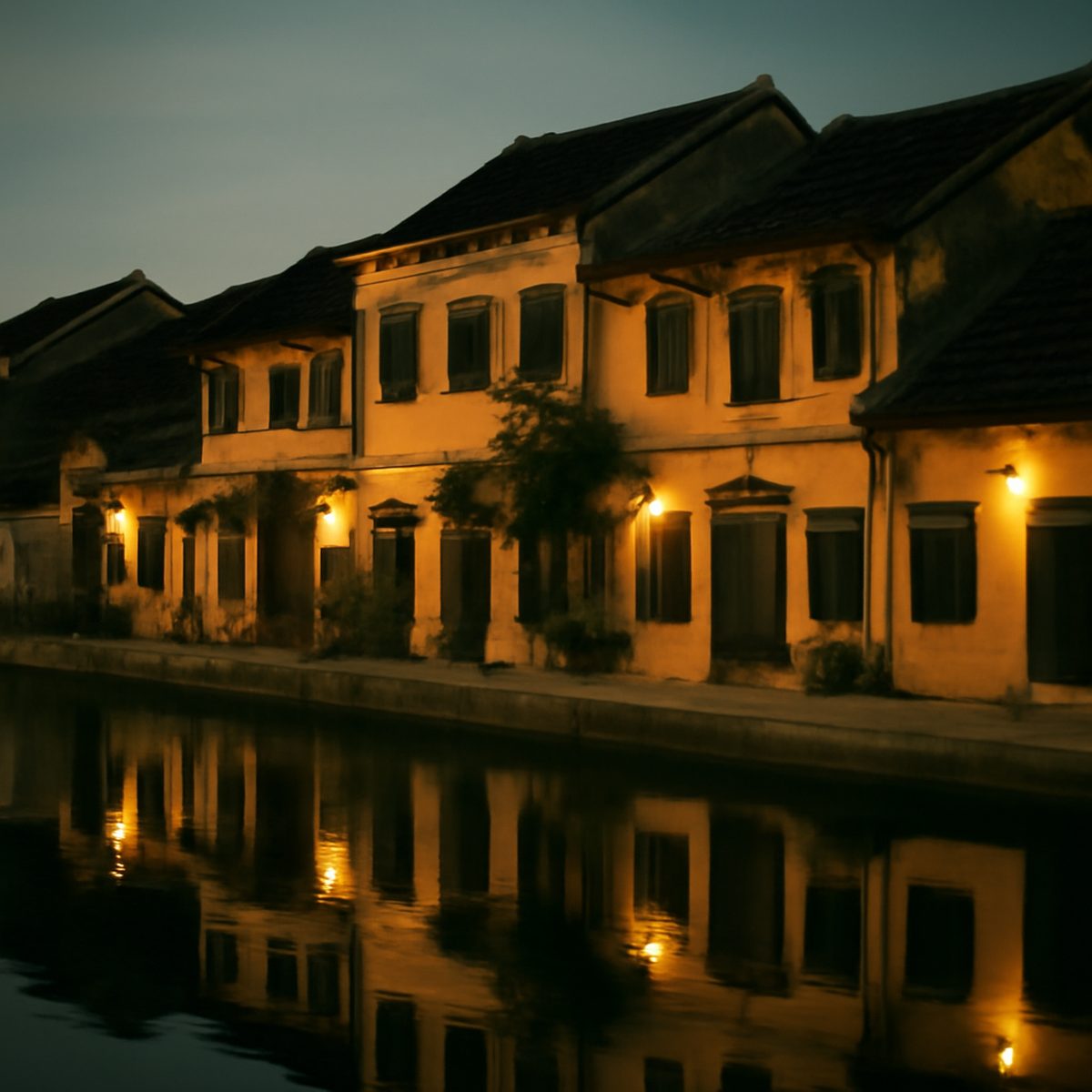
Hoi An’s old town is small enough to walk end to end in twenty minutes, which is exactly why most visitors get it wrong. They try to see all of it in an afternoon, tick off the lanterns and the Japanese bridge, and leave without understanding why anyone would linger. The town rewards the opposite instinct entirely — arrive with nothing scheduled, and let the river and the light dictate the pace.
The ochre-walled shophouses along the Thu Bon River were built by Chinese, Japanese and Vietnamese merchants centuries ago, and the town’s UNESCO status has kept the scale mercifully low — no towers, no neon, just tiled roofs and courtyards that open onto narrow lanes. The trick is seeing it before nine in the morning or after the day-trip buses from Danang have gone home.
Where to base yourself
Staying inside the old town itself means constant foot traffic outside the window and lantern light bleeding in until midnight — charming for one night, wearing by the third. A better strategy is a riverside or beachside property a short bicycle ride away, close enough for an early walk into town before breakfast, far enough to sleep with the windows open. Several converted merchant houses just outside the tourist core now operate as small guesthouses, with courtyard gardens and a genuine sense of having always belonged there.
This pattern — staying adjacent to the old quarter rather than inside it — echoes what is increasingly true of the wider region, discussed at more length in Vietnam’s new design hotels, from Hoi An to Danang, where the most interesting new openings sit deliberately outside the postcard centre.
Two days, properly paced
Day one
Start at the central market before seven, while the produce stalls are still setting up and the light is soft on the river. Breakfast on a bowl of cao lau, the town’s signature noodle dish, made only with well water drawn locally — or so the vendors will tell you, and it hardly matters whether it’s entirely true. Spend the late morning with a tailor; Hoi An’s made-to-measure trade is genuinely excellent if you choose carefully and allow two full fittings rather than rushing a same-day order. Retreat inside during the midday heat, and return to the old town at dusk when the lanterns come on and the day-trippers have gone.
Day two
Hire a bicycle and ride out to the rice paddies at Tra Que, where a handful of family-run cooking classes teach the basics of Vietnamese herb cookery in a working vegetable village. Follow it with an afternoon at An Bang beach, quieter and better than the more commercial Cua Dai stretch, before a last dinner back in town — ideally a slow one, the kind explored more fully in the art of the long lunch, since Hoi An’s kitchens genuinely reward unhurried attention.
Eating well without a reservation
- Banh mi from a stall that has clearly been doing it for decades — look for the queue of locals, not tourists.
- White rose dumplings, a Hoi An specialty found almost nowhere else, delicate and easy to underestimate.
- A simple grilled fish dinner at a family restaurant along the river, ordered by pointing rather than menu.
A local guide who has spent years walking food tours through the old quarter once described the town’s appeal simply: “People come for the lanterns and leave remembering the food. Nobody plans it that way, but it always happens.” It’s a fair summary of why a rushed itinerary undersells the place.
Getting the timing right
Avoid the wettest months, October through December, when flooding is a genuine risk to the old town’s ground floors, however atmospheric the photographs look online. The dry season from February to July offers the most reliable weather, with the shoulder edges of that window — late February, early March — carrying fewer crowds and gentler heat. This is broadly consistent with the wider logic covered in where to travel in shoulder season, which applies as neatly to central Vietnam as it does to Europe.
For travellers extending the trip further south or combining it with Danang or Hue, it is worth reading the fuller regional context in Travel & Stays before finalising an itinerary — Hoi An is easy to underrate as a standalone weekend, but it is even better as the calm centre of a longer, slower loop through central Vietnam.
Shopping without overdoing it
Hoi An’s tailoring trade tends to overshadow its other crafts, but the town is also home to genuinely skilled lantern makers, lacquerware artisans and a small but serious community of silk weavers, most working from modest shopfronts a few streets back from the main tourist drag. A short lantern-making lesson, taught by a family that has made them for generations, is a far better souvenir than another silk scarf bought in a hurry — and considerably more likely to survive the flight home intact.
The trick, as with the tailoring, is resisting the pressure of the first shop encountered and instead asking locals — a guesthouse owner, a cafe server — where they would actually buy something themselves. Prices soften noticeably once a shopkeeper senses a buyer who isn’t simply following the crowd off a tour bus, and quality tends to track the same instinct: the stalls locals frequent are rarely the ones with the flashiest window display.
The practical details worth sorting early
Cash remains more useful than cards across much of the old town, particularly at smaller family-run stalls and workshops, so it is worth changing enough on arrival to avoid a mid-trip scramble. Bicycles are the most sensible way to cover ground beyond the immediate old quarter — flat, short distances, and a far more pleasant way to reach An Bang beach or the rice paddies than a car ever could be.
Mosquito repellent is not optional, particularly around dusk near the river, and a light rain jacket earns its place in the bag even during the drier months, since central Vietnam’s weather can turn with very little warning. None of this requires much forward planning — Hoi An is, refreshingly, a place where showing up under-prepared costs very little, provided the itinerary itself stays loose enough to absorb it.
What Hoi An asks of a visitor is simple and, for most people, mildly uncomfortable: do less. Skip the fourth temple, skip the rushed boat tour, and instead sit somewhere by the river with a coffee and watch the town go about its evening. That is the whole itinerary, and it is enough.
Marcus writes on travel and hospitality across Asia, and is happiest a long way from a lobby.