A Field Guide to Southeast Asian Spice
Southeast Asia shares far more spice culture than its borders suggest. Here is a field guide to the aromatics that define the region's best cooking.
 By Renée Tan
29 August 2026 · 6 min read
By Renée Tan
29 August 2026 · 6 min read
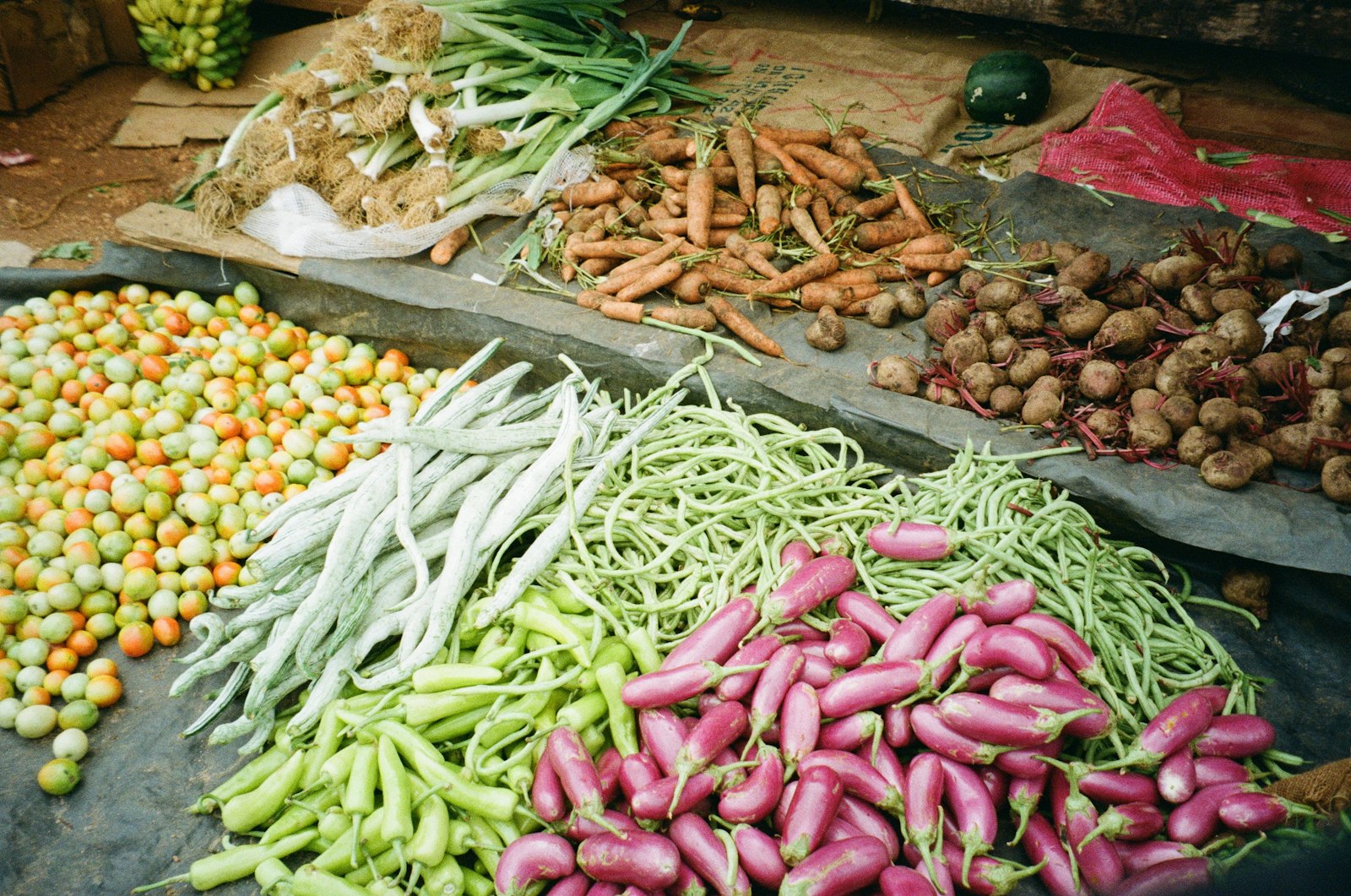
Travel across Southeast Asia and the cuisines can seem, at first glance, entirely distinct — Thai food is not Vietnamese food is not Malay food is not Indonesian food. But spend time in enough kitchens across the region and a shared vocabulary emerges, a set of aromatics that reappear again and again, combined and balanced differently by each culture but drawn from largely the same pantry. Understanding that shared vocabulary is one of the more useful ways to actually taste, rather than simply eat, the region’s food.
The Aromatic Base
Almost every Southeast Asian cuisine builds from some version of the same trio: lemongrass, galangal and chilli, pounded or blended together with garlic and shallot into a paste that forms the foundation of countless dishes. Lemongrass brings a bright, citrusy top note; galangal, often confused with ginger but sharper and more medicinal, adds a distinct peppery warmth; chilli supplies the heat, calibrated very differently from one country to the next. This base paste, cooked out in oil until fragrant before anything else is added, is the starting point for curries, soups and stir-fries across the entire region.
Turmeric, Fresh Versus Dried
Fresh turmeric root, used widely across Malay, Indonesian and southern Thai cooking, has an earthier, slightly bitter edge quite different from the dried, powdered version most home cooks default to. It stains everything a deep yellow-orange and forms the backbone of dishes like rendang and many regional curry pastes. Where a recipe calls for fresh turmeric, the dried substitute will work in a pinch, but the flavour shifts noticeably — muddier, less bright — which is why serious cooks across the region insist on sourcing it fresh whenever possible.
The Region’s Core Aromatics
- Galangal — peppery, medicinal, essential to Thai and Malay pastes
- Kaffir lime leaf — a sharp, floral citrus note used whole or finely shredded
- Belacan and shrimp paste — fermented, funky, the backbone of countless sambals
- Candlenut — a starchy, oily nut used to thicken and mellow Indonesian and Malay curries
Fermentation and Funk
What surprises many newcomers to the region’s cooking is how central fermentation is to the flavour profile. Belacan, the pungent shrimp paste used across Malaysia and Indonesia, and its close cousins found in Thai, Vietnamese and Filipino cooking, contribute a deep umami funk that anchors countless dishes — sambals, curries, dipping sauces. Used sparingly and cooked properly, it does not taste overtly fishy; it simply deepens everything around it, the same way a good anchovy disappears into a well-made Caesar dressing rather than announcing itself.
“You can tell a lot about a cook by how they handle belacan,” one Singapore-based chef with roots across the region has said. “Too little and the dish tastes flat. Too much and it overwhelms everything else. Getting it right takes years of tasting, not measuring.”
Coconut, the Region’s Great Mellowing Agent
If chilli and fermentation supply the heat and funk, coconut milk is very often what holds a dish together, mellowing sharper flavours into something rounder and more approachable. It appears across the region in forms ranging from a thin, watery second pressing used to poach fish gently, to a rich, thick first pressing that anchors a proper rendang. Freshly pressed coconut milk, still faintly warm and grassy, tastes noticeably different from the tinned version most home cooks rely on, and it is worth seeking out fresh where possible, particularly for dishes where the coconut itself is meant to be tasted rather than simply used as a cooking medium.
Heat as a Regional Signature
Chilli heat varies enormously across the region, and it is one of the clearest ways to distinguish one country’s cooking from another. Thai food often layers multiple types of chilli for complexity as much as heat — bird’s eye for sharpness, larger dried chillies for colour and a milder, rounder warmth. Indonesian sambals frequently favour raw, pounded chilli for an aggressive, immediate heat. Singaporean and Malaysian sambal tends to sit somewhere in between, cooked down slowly with shallots and dried shrimp until the heat mellows into something closer to a savoury jam.
Sauces, Pastes and the Bottled Shortcut Debate
A reasonable question for any home cook is whether it is worth pounding a fresh spice paste from scratch or reaching for one of the many bottled rempah and curry pastes now widely available. The honest answer is that it depends on ambition and time rather than any absolute rule. A well-made bottled paste from a reputable maker can produce a genuinely satisfying curry on a weeknight, and there is no shame in leaning on one. But a fresh paste, pounded that same day from wet market ingredients, will almost always carry a brightness and depth that even the best bottled version cannot fully replicate, since so many of these aromatics lose potency quickly once processed and stored.
The more useful middle ground, for most home cooks, is to make a large batch of fresh paste when time allows and freeze it in small portions, ready to drop straight into a hot pan on a weeknight without the daily labour of pounding from scratch. This preserves most of the flavour advantage of fresh aromatics while removing the single biggest barrier — time — that keeps most people reaching for the jar instead.
Bringing It Into Your Own Kitchen
Building a small pantry of these core aromatics — a piece of fresh galangal, a stalk of lemongrass, a jar of good belacan, a handful of kaffir lime leaves kept frozen — opens up an enormous range of regional dishes without needing to master a dozen individual cuisines from scratch. The technique, more often than not, is simple: pound or blend the paste, cook it out slowly in oil until fragrant, then build the rest of the dish around it. Master that single step and most of the region’s cooking becomes considerably more approachable.
For readers wanting to see these building blocks in action closer to home, Black Cow’s guide to Singapore’s best nasi lemak traces the sambal tradition in detail, while how to pair wine with spicy Asian food addresses the practical question of what to drink alongside all this heat and funk. For the rest of the region’s dining culture as covered by Black Cow, the wider Dining & Drinks section is the place to keep exploring.
Once these aromatics become familiar, the apparent complexity of Southeast Asian cooking starts to look more like variation on a shared theme — the same handful of ingredients, endlessly reinterpreted by geography, history and the particular hand of whoever is standing at the stove, one pounded paste and one carefully judged spoonful of belacan at a time.
Renée has covered Singapore's restaurants for over a decade, with a soft spot for the kitchens most people walk past.