
The Art of the Jungle Bird
Bitter, funky, and unapologetically rum-forward, the Jungle Bird has quietly become one of the more serious drinks in the tiki tradition, and worth making well.
 By Renée Tan
31 August 2026 · 6 min read
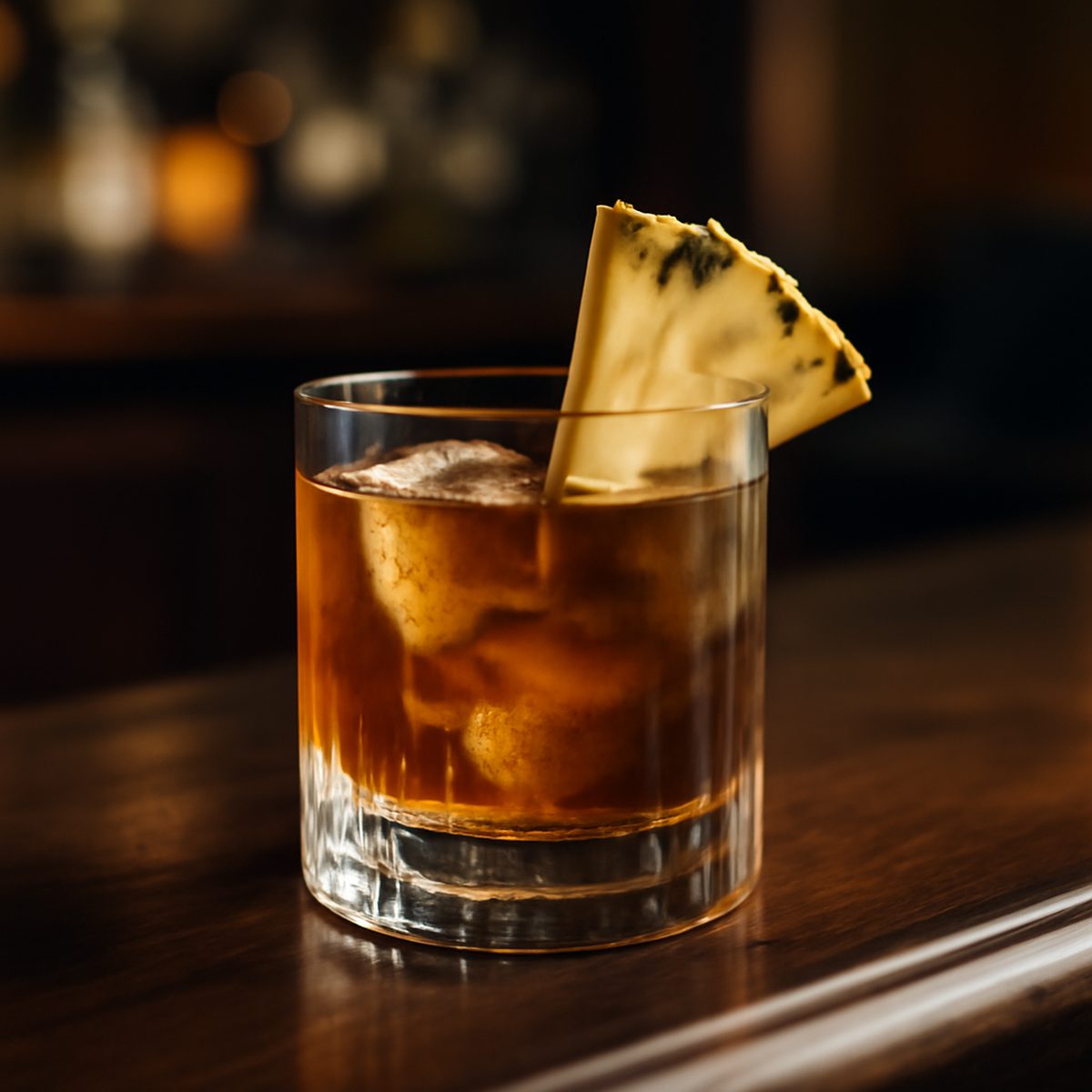
Most tiki drinks are built to disguise the strength of their spirit under fruit and sugar. The Jungle Bird does the opposite. It is one of the few classic tropical cocktails that leads with bitterness, built around a base of Campari that most tiki formulas would never touch, and it rewards a drinker who wants their rum cocktail to taste like something more than a fruit punch. For a drink with a reputation as a modern classic, it is worth understanding where it came from and why its structure works so well.
A brief, slightly disputed history
The Jungle Bird’s popularly told origin traces it to a hotel bar in Kuala Lumpur in the early 1970s, reportedly served inside a poolside aviary as a welcome drink for guests. Whether every detail of that story holds up to scrutiny is a matter some cocktail historians still debate, but what is not in dispute is the drink’s second act: it was effectively forgotten for two decades before a wave of craft bartenders rediscovered and reworked it in the 2000s, at which point it became one of the most widely riffed-on cocktails in modern tiki bars. That revival is really the more important story — a formula sturdy enough to survive decades of obscurity and come back essentially intact.
Why the Campari works
The genius of the Jungle Bird, if it has one central idea, is using Campari’s bitter, faintly herbal edge to balance pineapple juice’s sweetness rather than fighting it with more sugar, which is the more conventional tiki move. Most tropical cocktails stack sugar against acid; the Jungle Bird instead stacks bitterness against sweetness, with lime providing the acid to hold the whole structure together. The result tastes less like a dessert and more like a properly built modern classic — closer in spirit to a Negroni that happens to be wearing a pineapple garnish than to a typical rum punch. Rum and lime in their sparest form are the subject of our piece on the Hemingway daiquiri, a useful counterpoint to the Jungle Bird’s bitter complexity.
This is also why the drink has proven so adaptable behind the bar. Swap the rum for a smokier, funkier Jamaican pot-still style and the drink gains depth; swap the Campari for another bitter amaro and you get a different but equally coherent variation. Few tiki formulas tolerate this much tinkering without falling apart, which is part of why bartenders keep returning to it. Readers who enjoy this kind of bitter-forward, aperitif-adjacent drinking might also appreciate our piece on the art of the aperitivo, Singapore-style, which covers a similar philosophy applied to a pre-dinner ritual rather than a tropical setting.
The rum choice matters more than people think
Because the Jungle Bird’s other components are relatively fixed — pineapple, lime, simple syrup, Campari — the rum is where most of the drink’s character actually lives. A funky, high-ester Jamaican rum brings tropical fruit notes and a slight rubber-and-banana funk that plays beautifully against the bitterness; a smoother, more caramel-forward rum produces a rounder, gentler drink that is easier to like on a first sip but arguably less interesting on a second. Bartenders who take the drink seriously will often blend two rum styles — one funky, one softer — to get both the aromatic complexity and the drinkability in the same glass. For readers interested in the broader category, our guide to rum agricole and cane spirits is a useful primer on how different rum traditions produce such different flavour profiles from what is, technically, the same base ingredient.
A basic formula worth learning
- Two parts rum, ideally a Jamaican or blended style with some funk.
- Three-quarters part Campari, for the bitter backbone.
- One and a half parts fresh pineapple juice.
- Half a part fresh lime juice.
- A touch of simple syrup, adjusted to the sweetness of the pineapple.
Shaken hard with crushed or cracked ice and strained into a rocks glass, the drink should arrive with a slight foam from the pineapple and a colour somewhere between amber and burnt orange — a visual cue, before you even taste it, that this is not a typical sweet tiki pour.
Where to drink one properly
The Jungle Bird has become common enough on cocktail menus that quality varies wildly, and the giveaway is almost always the pineapple. Bars using fresh-pressed juice, rather than a bottled or canned substitute, produce a noticeably brighter, less cloying drink — the difference is comparable to fresh versus bottled lime juice in a Daiquiri, which is to say enormous. A serious cocktail bar, of the kind covered in our wider Dining & Drinks section, will usually be transparent about this if you ask, and a bartender who lights up at the question is generally a good sign for the rest of the menu too. It is also worth pairing the drink with a bar that takes its overall programme seriously — our coverage of the considered home bar room is a useful companion piece for anyone who wants to bring this same rigour to their own drinks cabinet.
“It looks like a beach drink and drinks like a Negroni,” one Singapore bartender told us. “That’s the whole trick of it.”
Serving it at home
Unlike a lot of tiki cocktails, which lean on syrups and liqueurs that are genuinely difficult to source outside a specialist bar, the Jungle Bird is refreshingly achievable to make properly at home. The four core ingredients — a decent rum, Campari, fresh pineapple, fresh lime — are all reasonably easy to find in Singapore, and none require the kind of exotic falernum or orgeat that trip up home attempts at other tiki classics. The main discipline required is simply using fresh juice rather than reaching for a bottled substitute, and resisting the temptation to oversweeten, since the bitterness is genuinely meant to be felt rather than smoothed over.
Ice quality is a smaller but real factor. A hard shake with properly cracked or crushed ice dilutes the drink just enough to soften Campari’s initial bitterness without eroding the drink’s overall structure — shaking too briefly, or with ice that is too large, tends to leave the Campari feeling harsh and unintegrated rather than woven through the whole glass.
A drink that rewards curiosity
What keeps the Jungle Bird interesting, decades after its supposed poolside debut, is that it never quite settles into being just a tropical drink or just a bitter aperitif — it lives in the overlap, and that overlap is precisely where good modern bartending tends to happen. Order one at a bar that clearly cares about its rum selection and fresh juice, and you will understand quickly why this once-forgotten hotel cocktail became one of the defining drinks of the modern tiki revival.
Renée has covered Singapore's restaurants for over a decade, with a soft spot for the kitchens most people walk past.


