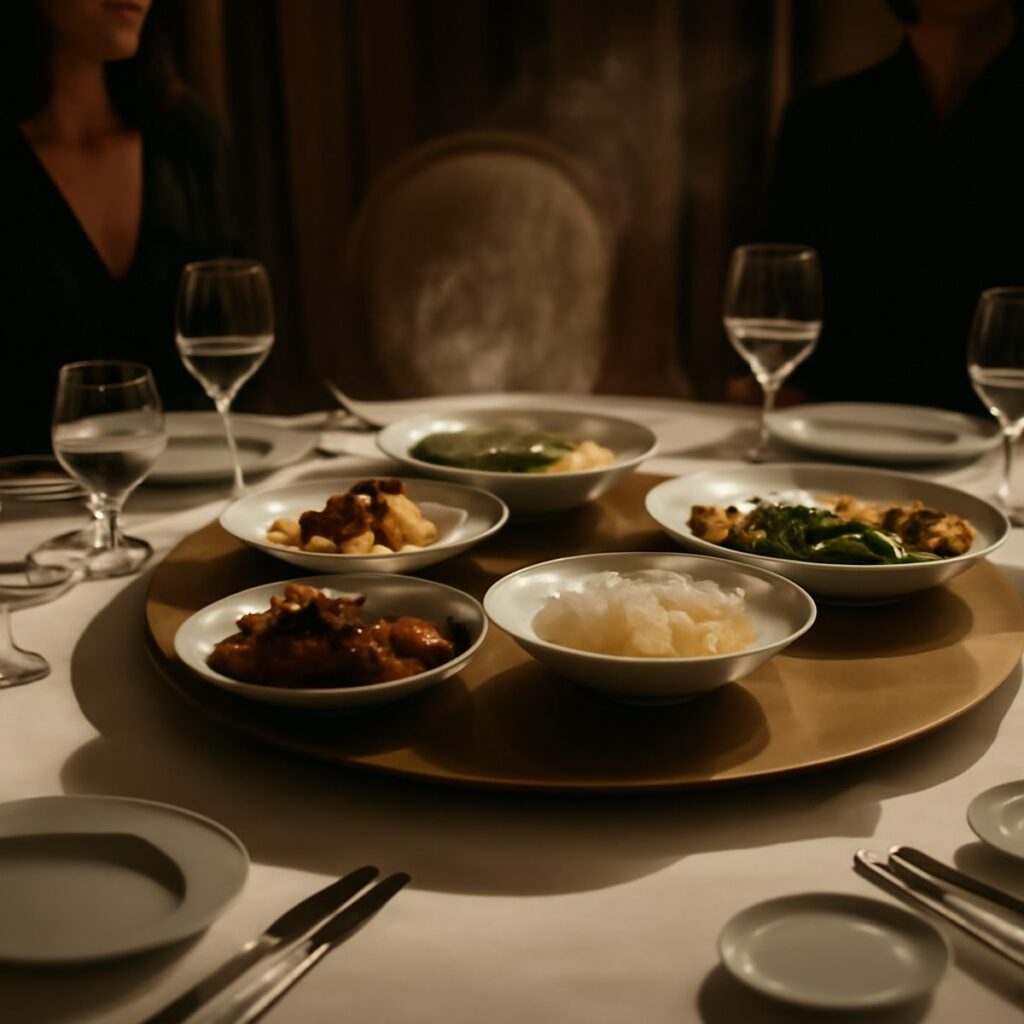
The Art of the Aperitivo, Singapore-Style
Bitter, bubbly and built for a tropical evening, the aperitivo has quietly found its footing in Singapore, on its own terms rather than a borrowed one.
 By Renée Tan
29 August 2026 · 6 min read
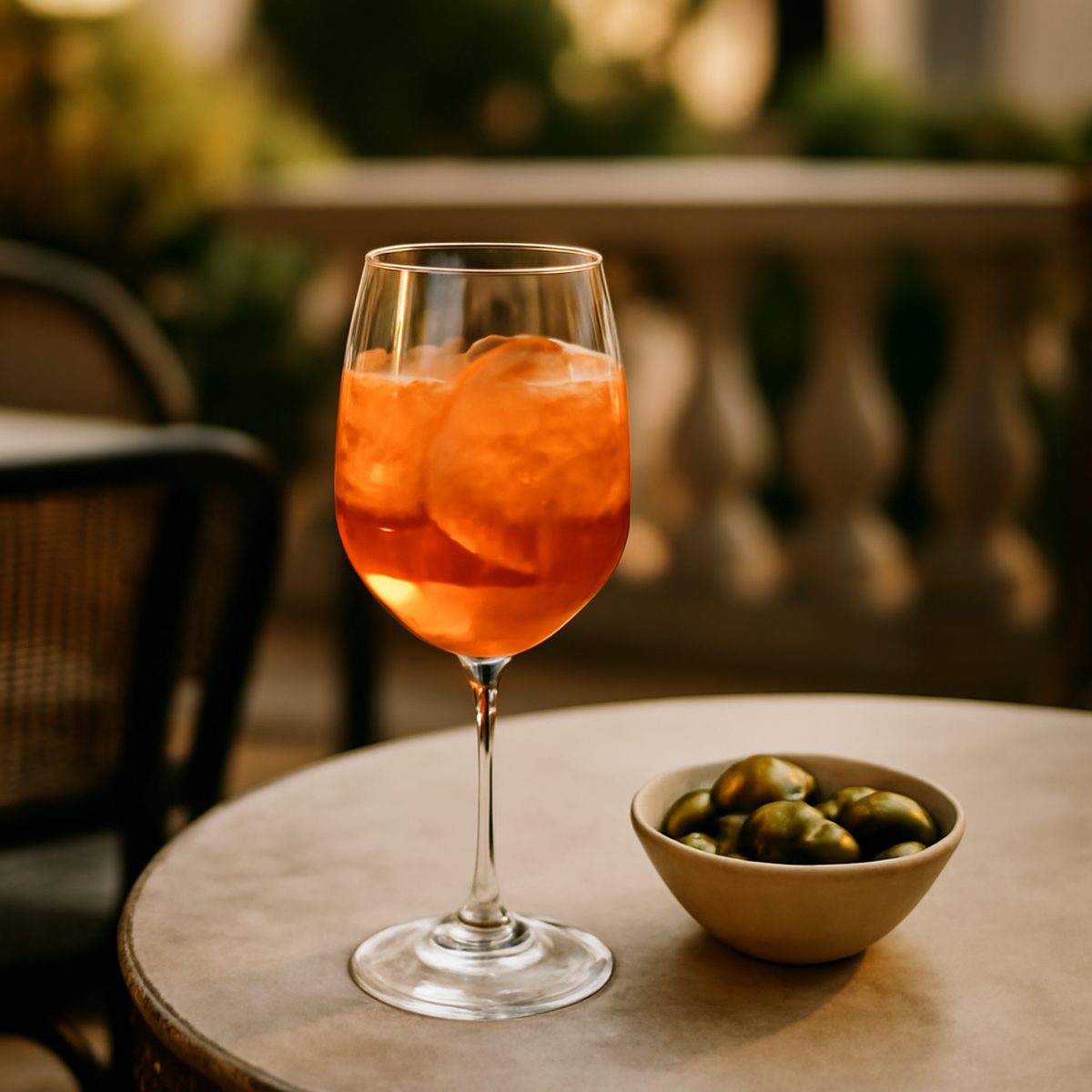
The aperitivo hour was never designed for Singapore’s climate — it was designed for a Milanese evening cooling from thirty degrees to twenty-two, for a piazza where the light softens and the day’s business genuinely ends. Import that ritual wholesale into a city that sits at roughly the same humid twenty-eight degrees at six in the evening as it does at noon, and it risks becoming a costume rather than a habit. And yet, over the past several years, a version of the aperitivo has taken root here that feels genuinely native rather than borrowed — bitter, bubbly, unhurried, and built around Singapore’s own rhythms rather than Italy’s.
Why the Hour Works Here Anyway
What Singapore lacks in seasonal cooling, it makes up for in a culture that already understands the pleasure of a proper pre-dinner pause. The kopitiam tradition of an evening beer with small plates, the Chinese habit of tea before a big meal, the simple fact that most people here eat dinner later than European cities do — all of it creates a natural window for something aperitivo-shaped to slot into. Bars along the river and in the shophouse pockets of the city have picked up on this, building menus of bitter, low-alcohol spritzes and small snacking plates designed explicitly for six-to-eight o’clock drinking rather than a full night out.
What’s Actually in the Glass
The classic Campari spritz still anchors most menus, but the more interesting bars have started building their own bitter aperitivi using local ingredients — calamansi in place of lemon, a house-made bitter liqueur flavoured with dried sour plum or torch ginger, tonic cut with a hint of pandan. These are not gimmicks so much as sensible adaptations: a tropical palate genuinely responds better to a slightly sharper, more citrus-forward bitter than the sweeter, more syrupy aperitivi built for cooler climates. For a deeper dive into the people building these drinks, our profile of The Bartenders Turning Bars Into Destinations covers several who have made this kind of low-and-slow drinking their signature.
The Snacks Matter as Much as the Drink
A proper aperitivo lives or dies on what arrives alongside the glass. The Italian standard of olives, taralli and a little charcuterie has been reinterpreted here with a genuinely Singaporean instinct — house-cured fish, pickled vegetables with a chilli kick, a plate of ikan bilis done the way it would appear at a good zi char stall but plated for sharing over drinks rather than as a side to rice. Readers chasing this same spirit of small, considered plates built for lingering rather than filling up should also look at The Brunch Tables Actually Worth the Wait, several of which apply a similar unhurried philosophy to daytime eating.
How to Do an Aperitivo Evening Properly
- Start earlier than feels natural — six or half past, before the heat has fully broken.
- Order two rounds at most before moving to dinner; the point is appetite, not excess.
- Choose bitter over sweet; a tropical evening rewards a sharper drink.
- Share everything — the snacks are meant to be picked at, not portioned.
“We’re not trying to recreate Milan,” one bar owner told us of the shift. “We’re trying to take the idea of the hour — slow down, drink something bitter, eat a little — and let Singapore shape what that actually looks like.”
Where the Ritual Is Heading
The most encouraging sign for the aperitivo’s future here is that it has stopped being treated as an imported novelty and started being treated as simply another way to begin an evening — alongside the beer garden, the wine bar and the cocktail lounge, rather than in competition with them. A number of restaurants have begun building genuine pre-dinner menus around this hour, understanding that a guest who arrives at six-thirty and orders a spritz and a snack plate is often a guest who will stay for dinner an hour later, rather than one who has already filled up elsewhere. That’s good business, but it is also, more simply, a pleasant way to end a working day in a city that does not always make room for pleasant pauses.
Where to Sit
Setting matters more for an aperitivo than for almost any other kind of drinking occasion, because the whole point is to notice the evening changing around you. The riverside bars along the old warehouse stretch do this well, their tables angled so you can watch the light shift over the water without craning your neck. A handful of shophouse courtyards, tucked just off the main tourist paths, offer something quieter still — a small table under a covered five-foot way, the noise of the street close but not intrusive. Air-conditioned lounges, however handsome, tend to miss the point entirely; the aperitivo hour is meant to be spent at the edge of the outdoors, not sealed away from it, even in a city where the outdoors can be genuinely uncomfortable by mid-afternoon. Six o’clock, as it turns out, is usually forgiving enough.
The other detail worth getting right is who you share it with. Unlike a full dinner reservation, an aperitivo table is built for people drifting in and out — a colleague who can only stay for one round, a friend arriving straight from the airport, someone who wants a drink but has already eaten. The best venues understand this and keep their pre-dinner menus flexible enough to accommodate it, rather than forcing every guest into a fixed multi-course pace better suited to dinner proper.
There is a case to be made, too, that Singapore is better positioned than most cities to make the aperitivo hour a permanent fixture rather than a passing fashion. The island’s climate offers no true off-season, which means the ritual never has to pause for winter the way it effectively does in Europe; a bar here can run its spritz menu year-round without ever needing to swap it for mulled wine. Combined with a dining culture that already prizes small, shared plates over single large courses, the aperitivo slots into Singapore’s existing habits more naturally than it might first appear.
What makes the Singapore aperitivo worth paying attention to, ultimately, is its refusal to be a straight copy. It borrows the shape of the Italian hour — the bitterness, the small plates, the unhurried pace — but fills it in with ingredients and instincts that are unmistakably local. For more on where the city’s drinking culture is heading more broadly, our Dining & Drinks section tracks the bars and bottle shops worth knowing.
Renée has covered Singapore's restaurants for over a decade, with a soft spot for the kitchens most people walk past.