The Bartenders Turning Bars Into Destinations
A generation of Singapore bartenders has stopped being invisible. Here is what changed, and why their bars are now the reservation, not the afterthought.
 By Renée Tan
29 August 2026 · 6 min read
By Renée Tan
29 August 2026 · 6 min read
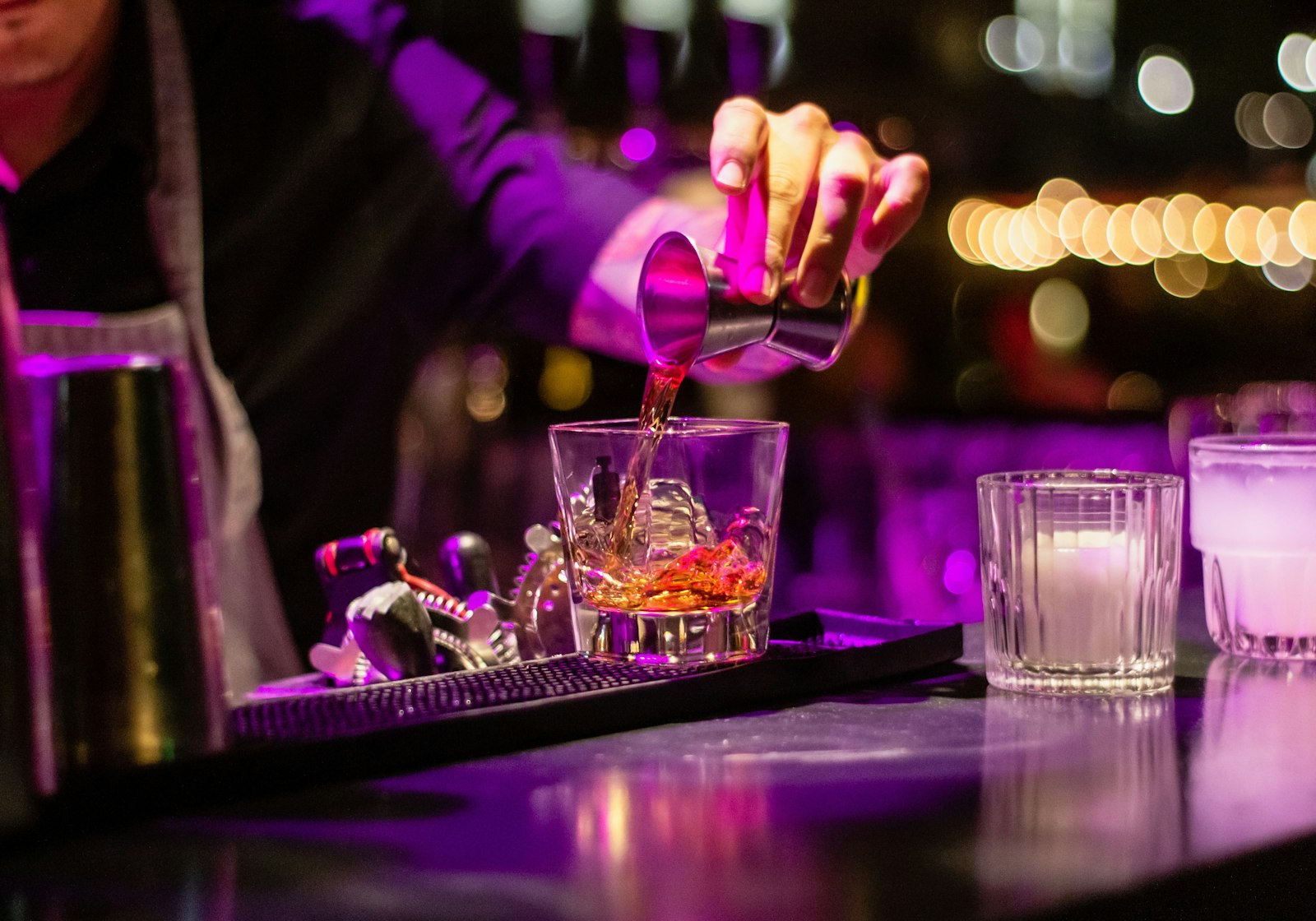
Ten years ago, a good bartender in Singapore was a quiet asset — someone a regular might know by name, but rarely the reason a booking got made. That has changed, decisively. Today, a handful of names behind the bar carry the same drawing power as a chef’s name on a menu, and the bars they run have become destinations in their own right, the kind of place you plan an evening around rather than wander into.
The Shift From Service to Signature
What separates this generation is not technical skill alone — Singapore has always had capable hands — but a willingness to sign their work. A cocktail menu now reads less like a list of classics and more like a small essay: a drink built around a single obscure ingredient sourced on a trip to a spice market, or a riff on a family recipe reworked through six months of testing. The bartender is no longer executing a formula. They are authoring one, and diners are increasingly booking a seat at the bar specifically to hear the story behind the glass.
This has quietly repositioned the bartender’s role within the city’s dining hierarchy. Where once the cocktail was an accompaniment to the meal, at the sharpest addresses now it is treated with the same seriousness as the tasting menu it might precede — a considered, sequential experience rather than a single well-made drink.
The New Apprenticeship
Ask any of the bartenders now running their own rooms how they got there, and the answer usually involves years spent elsewhere first — a stage in a small back-alley bar in another Asian capital, a season spent learning fermentation from a chef rather than another bartender, a stint studying the mechanics of clarification or barrel-ageing spirits at home. The apprenticeship has broadened. It is no longer just about memorising ratios; it is about understanding flavour with the same rigour a kitchen demands.
What the Best Now Have in Common
- A house-made component in nearly every drink, built from scratch rather than bought in
- A clear point of view on ice, dilution and temperature, treated as seriously as the spirit itself
- Menus that rotate with the seasons, not just for novelty but because the sourcing genuinely changes
- A willingness to talk through a drink rather than simply serve it
What Makes a Bar Worth the Cab Ride
The best of this new wave share a certain restraint. The room is rarely loud. The lighting is considered rather than dramatic. And the bartender, more often than not, remembers what you ordered last time without needing to be told. It is hospitality built on memory and attention rather than spectacle — a shift that mirrors what has happened across the pointier end of the city’s dining scene more broadly, where the loudest opening is rarely the one still full a year later.
“The best compliment I ever get is when someone tells me they don’t remember what they ordered, only how the evening felt,” says one bar director who has spent the better part of a decade behind Singapore’s counters. “That’s the job. The drink is just the vehicle.”
A Night Behind the Stick
Spend an evening properly observing one of these bars in motion and the choreography becomes obvious. There is a rhythm to it — ice cracked ahead of the rush, garnishes prepped in careful rows, a running mental map of who ordered what and roughly when they might want their next. The best bartenders read a room the way a maître d’ does, adjusting pace without ever seeming to hurry.
It is worth ordering off-menu occasionally, too. Most bartenders of this calibre keep a mental shortlist of things they would rather be making — a spirit they have just started experimenting with, a technique they picked up on a recent trip. Asking what they would pour themselves, rather than what is printed on the card, tends to produce the most memorable glass of the night.
The Regulars Who Made It Possible
None of this shift would have been commercially viable without a parallel change in the drinking public. A decade ago, a cocktail bar in Singapore lived or died on tourist footfall and the occasional corporate tab. Today, the bars doing the most interesting work are sustained largely by locals — a growing base of regulars willing to return weekly, try the new seasonal menu unprompted, and treat the bartender’s recommendation as more valuable than their own certainty about what they feel like drinking. That trust took years to build, and it is now the real currency behind every serious bar programme in the city.
It has also changed who gets hired. Where bar teams once recruited almost exclusively on speed and consistency, the strongest rooms now look for curiosity — someone who reads about fermentation on their day off, or spends a free evening tasting through a friend’s spirit collection just to understand it better. The floor staff have become, in effect, a research and development team that happens to also serve drinks.
Where This Is Heading
The trajectory points towards even more ownership — bartenders opening rooms under their own name rather than working for someone else’s brand, sourcing directly from small producers instead of large distributors, and treating non-alcoholic drinks with the same craft as anything containing spirit. For a sense of how seriously that last shift is now being taken, it is worth reading the case for non-alcoholic done properly, which has become one of the more interesting frontiers in the craft.
For readers building an evening around this new generation, Black Cow’s rundown of Singapore’s best cocktail bars, organised by craft is the natural next stop, alongside a closer look at the low-intervention bar list that several of these bartenders now build their menus around. Those wanting the view from above, quite literally, should also see the guide to the rooftop bars worth the lift queue — a different kind of destination bar, built on skyline rather than storytelling. And for the full landscape of where Singapore eats and drinks well, Black Cow’s Dining & Drinks section tracks both in the same considered spirit.
What unites all of it is a simple shift in expectation. A great bar in Singapore is no longer judged by its view or its list of imported spirits alone. It is judged by the person standing behind it — and increasingly, that person is the reason to book.
Renée has covered Singapore's restaurants for over a decade, with a soft spot for the kitchens most people walk past.