The Art of the Hemingway Daiquiri
Bone-dry, citrus-sharp and unforgiving of bad rum, the Hemingway Daiquiri is the drink that separates a careful bartender from a nostalgic one.
 By Renée Tan
1 September 2026 · 6 min read
By Renée Tan
1 September 2026 · 6 min read
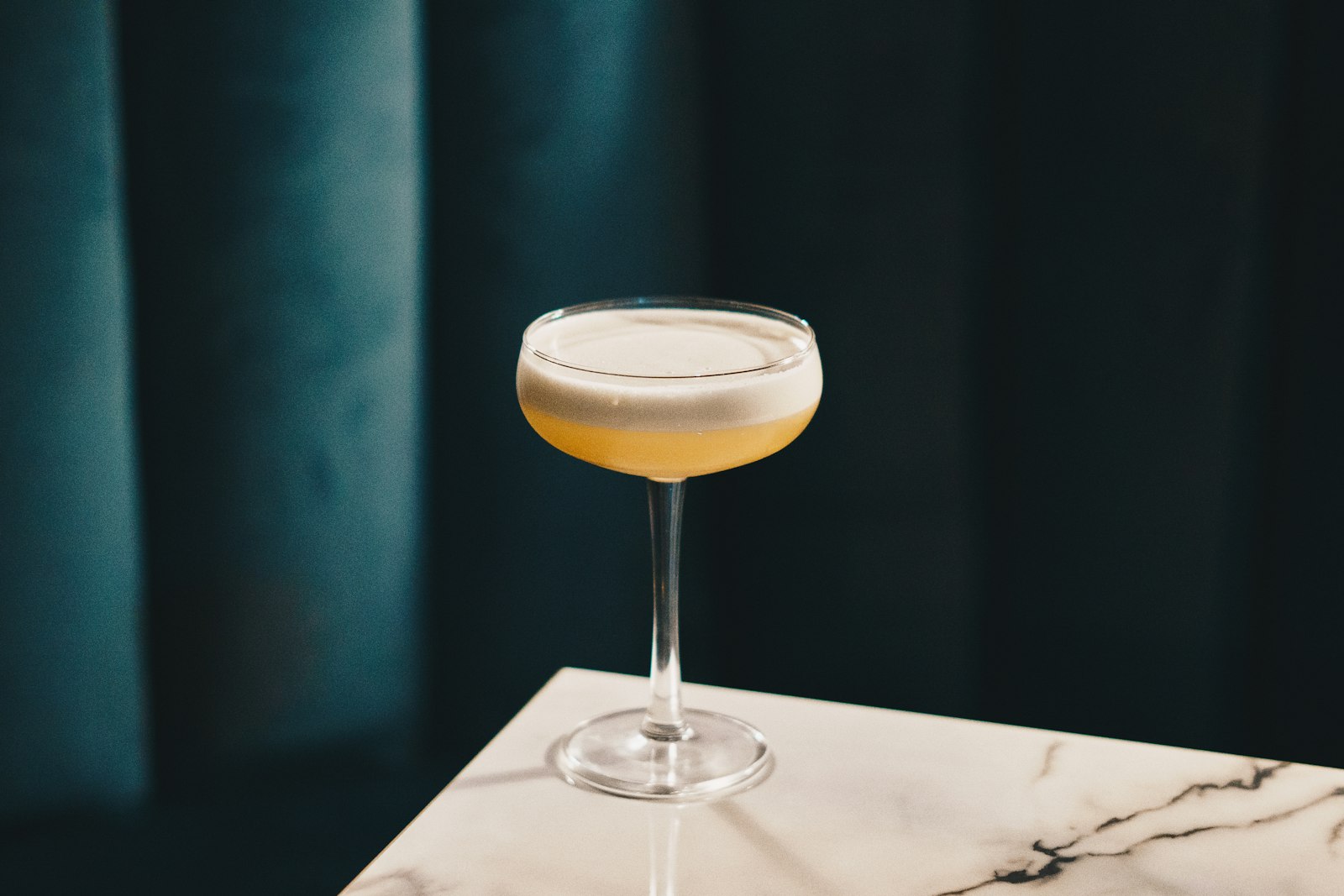
The story attached to the Hemingway Daiquiri has done the drink both favours and disservice in equal measure. The tale — that a Havana bartender built a sugar-free, grapefruit-spiked variation for a diabetic regular who wanted his rum without the usual sweetness — is charming enough that it tends to overshadow the drink itself, which is a shame, because the Hemingway Daiquiri is one of the more technically interesting cocktails in the classic canon, precisely because it has almost no room for error.
Strip away the mythology and what remains is a formula built on tension rather than balance in the conventional sense: white rum, fresh lime, fresh grapefruit, a small measure of maraschino liqueur, and critically, no sugar syrup at all. Every other ingredient in the glass is sour, bitter or dry, which means the drink lives or dies on the quality and ratio of those four components alone.
Why the Absence of Sugar Matters
Most sours rely on syrup to soften citrus into something drinkable. Remove that cushion and the drink becomes brutally honest about its ingredients — a mediocre rum has nowhere to hide, and citrus that is even slightly past its best will read as flat rather than bright. This is why the Hemingway Daiquiri is often used, quietly, as a bartender’s audition piece: it demonstrates whether someone understands balance through ratio and quality rather than through the blunt instrument of extra sweetness.
The maraschino liqueur does most of the drink’s structural work here, since it carries just enough natural sweetness and a faintly bitter-almond note to round the citrus without dulling it. Too much and the drink turns cloying and loses its point; too little and it tastes thin, more grapefruit juice than cocktail. Rum meets bitterness in a quite different way in another modern classic, explored in our piece on the art of the jungle bird.
Building the Ratio
- White rum, unaged and clean rather than a spiced or dark rum, which would fight the citrus rather than support it.
- Fresh lime juice, squeezed to order — bottled juice loses its top aromatics within hours and the drink will taste dull.
- Fresh pink grapefruit juice, in a slightly smaller measure than the lime, for bitterness and body without overwhelming sourness.
- Maraschino liqueur, measured precisely rather than eyeballed — a few millilitres either way changes the entire character of the glass.
A standard working ratio runs roughly six parts rum to three parts lime, two parts grapefruit and one part maraschino, shaken hard with ice and double-strained into a chilled coupe. The hard shake matters more here than in sweeter drinks, since it is largely responsible for the slight dilution that keeps the finished drink from tasting austere.
Common Mistakes
The most frequent error is substituting grapefruit cordial or a pre-made sour mix for fresh juice, which flattens the drink into something closer to a rum punch than a considered sour. The second is over-pouring the maraschino in an attempt to compensate for the missing sugar syrup, which pushes the drink toward cloying rather than balanced — the liqueur should be felt rather than tasted outright.
“People think it’s a rum drink with grapefruit in it, but really it’s a citrus drink that happens to use rum as its spine,” says a Singapore bartender who has kept a version of the Hemingway Daiquiri on rotation at a composite east-side bar for years.
Where It Sits in the Wider Rum Canon
The Hemingway Daiquiri is useful shorthand for understanding rum more broadly, since it strips the spirit of the usual cover of sugar and spice and asks it to carry a drink almost entirely on texture and clean flavour. Anyone drawn to it is usually, eventually, drawn toward exploring the best rum and where to drink it, where the same appreciation for unadorned spirit character applies. It also sits comfortably alongside other citrus-forward classics documented in the art of the daiquiri, its more famous, sweeter sibling.
Serving It Well
Because the drink is bone-dry and citrus-forward, it works best as an opening cocktail rather than a closing one — it wakes up the palate rather than rounding off a meal. It is a natural fit for the kind of considered cocktail programme found at Singapore’s best cocktail bars, by craft, and pairs surprisingly well against the kind of unfussy small plates found at a classic cocktail bar rather than a full dinner menu, where its sharpness would compete rather than complement.
Make one at home and the appeal becomes obvious quickly: there is nowhere for a shortcut to hide, and that is precisely the point. Get the ratio right, use ingredients worth the attention, and the Hemingway Daiquiri rewards the effort with a clarity that most modern cocktails, weighed down by syrups and infusions, have quietly forgotten how to deliver. It remains, eight decades on, a genuinely useful test of whether a bar — or a home bartender — actually understands what balance means. For more of this kind of close reading on drinks worth making properly, the Dining & Drinks section is the place to keep looking.
A Note on Ice and Technique
The shake itself deserves more attention than it usually gets. Because the drink has no syrup to smooth over inconsistency, the amount of dilution introduced by the shake becomes a genuine variable rather than a rounding error. A short, gentle shake under-dilutes and leaves the drink tasting sharp and unresolved; a long, hard shake with plenty of ice brings just enough water into the glass to soften the citrus edges without blunting them. Most home bartenders under-shake out of habit, worried about watering the drink down, when in fact a Hemingway Daiquiri needs that dilution more than almost any other sour to feel complete rather than austere.
Glassware matters too, if only because a chilled coupe holds the cold longer than a warm glass pulled straight from a cupboard, and a drink this reliant on precise balance loses its structure quickly once it starts to warm. Chilling the glass in advance, even for a few minutes in the freezer, is a small step that measurably changes how the first and last sips compare.
Renée has covered Singapore's restaurants for over a decade, with a soft spot for the kitchens most people walk past.