The Return of the Classic Cocktail Bar
After a decade of theatre, Singapore's bars are quietly returning to the classics. A look at why restraint has become the city's new bartending ambition.
 By Renée Tan
30 August 2026 · 6 min read
By Renée Tan
30 August 2026 · 6 min read
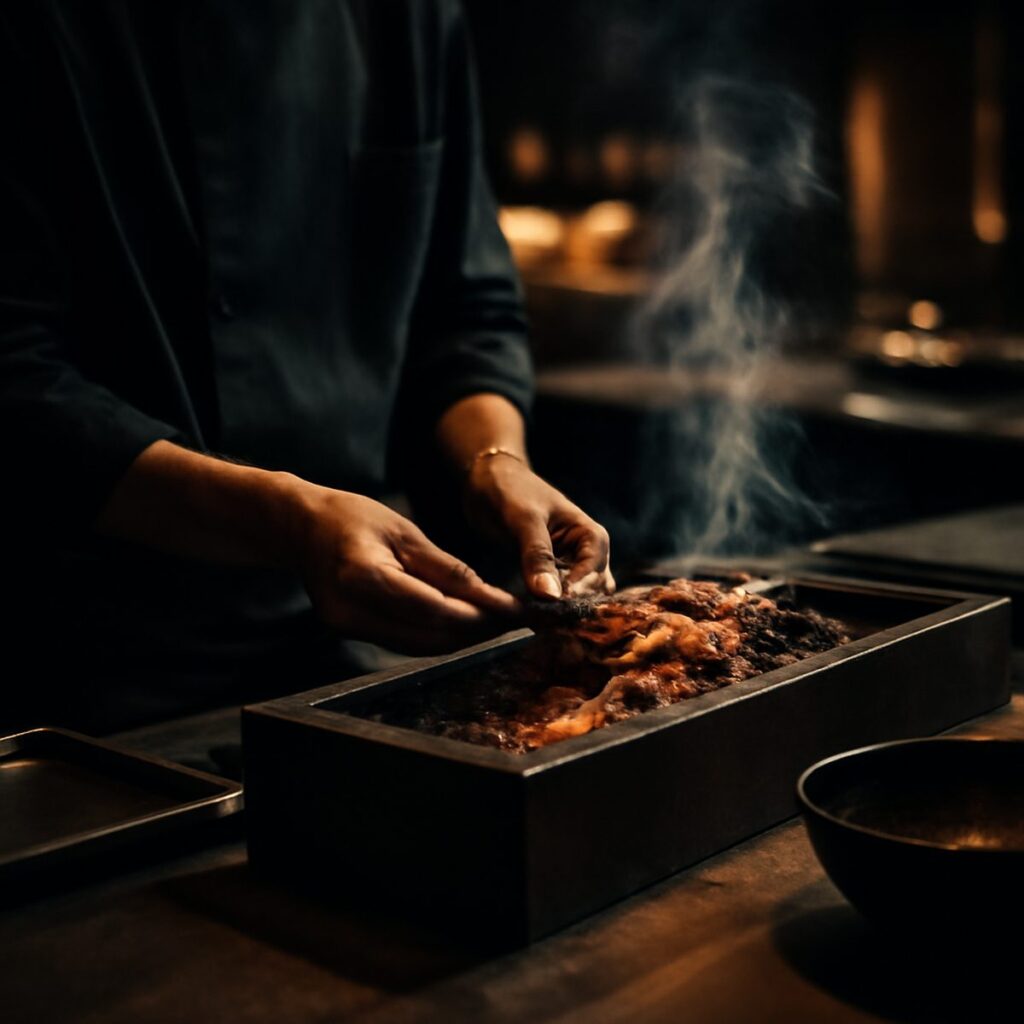
There was a period, not so long ago, when a new cocktail bar opening in Singapore was almost expected to announce itself through spectacle — liquid nitrogen, elaborate multi-step infusions, drinks arriving under glass domes filled with smoke, menus that read more like laboratory notes than a list of things to drink. Much of it was genuinely inventive, and some of it produced drinks worth remembering. But a quieter counter-movement has been building steadily across the city’s better bars, one that trades spectacle for discipline and treats the classic cocktail canon — the martini, the daiquiri, the old fashioned, the sidecar — as the real test of a bar’s ability, rather than a warm-up act before the theatrics begin.
Why restraint has become the new ambition
The shift reflects something bartenders themselves have long understood, even during the height of the theatrical era: a classic cocktail, built from three or four ingredients with nowhere to hide a mistake, is a far harder thing to execute perfectly than an elaborate original creation dressed up with enough novelty to distract from any imbalance. A bar willing to put its martini front and centre on the menu, rather than burying it beneath a page of signature creations, is making a confident statement about its own fundamentals. This is not nostalgia for its own sake — it is a recognition that the classics survived a century of fashion precisely because their proportions, once correctly understood, cannot really be improved upon, only executed with more or less care. Few drinks illustrate that point better than the Sidecar, whose simple proportions leave nowhere for a careless bartender to hide.
This return to fundamentals has coincided with — and arguably driven — a renewed appreciation across the city for spirits long treated as simple mixers rather than subjects worth serious study in their own right. Our guide to the art of the old fashioned explores exactly this dynamic through a single drink, one that has become something of an unofficial benchmark for judging a bar’s overall seriousness.
The hotel bar’s quiet renaissance
Nowhere is this shift more visible than in Singapore’s grand hotel bars, several of which have spent recent years deliberately restoring menus and service styles closer to their historical roots — proper trolley service, drinks built tableside, an emphasis on hospitality and conversation over performance. Our feature on the hotel bars worth travelling for covers several of the city’s best examples, spaces that have leaned into their heritage rather than chasing the aesthetic of a newer, more experimental scene. There is something fitting in this return, given that many classic cocktails were themselves refined and popularised in exactly this kind of setting, decades before the modern cocktail renaissance rediscovered them.
The trend extends upward, too. Singapore’s better rooftop bars have increasingly paired their views with menus built around expertly executed classics rather than relying solely on the setting to carry the experience — a sensible recognition that a spectacular skyline deserves an equally well-made drink in hand.
What distinguishes a bar that has genuinely returned to the classics
- A menu that leads with, rather than hides, cocktails a century old — treating them as a serious offering rather than a concession to less adventurous guests.
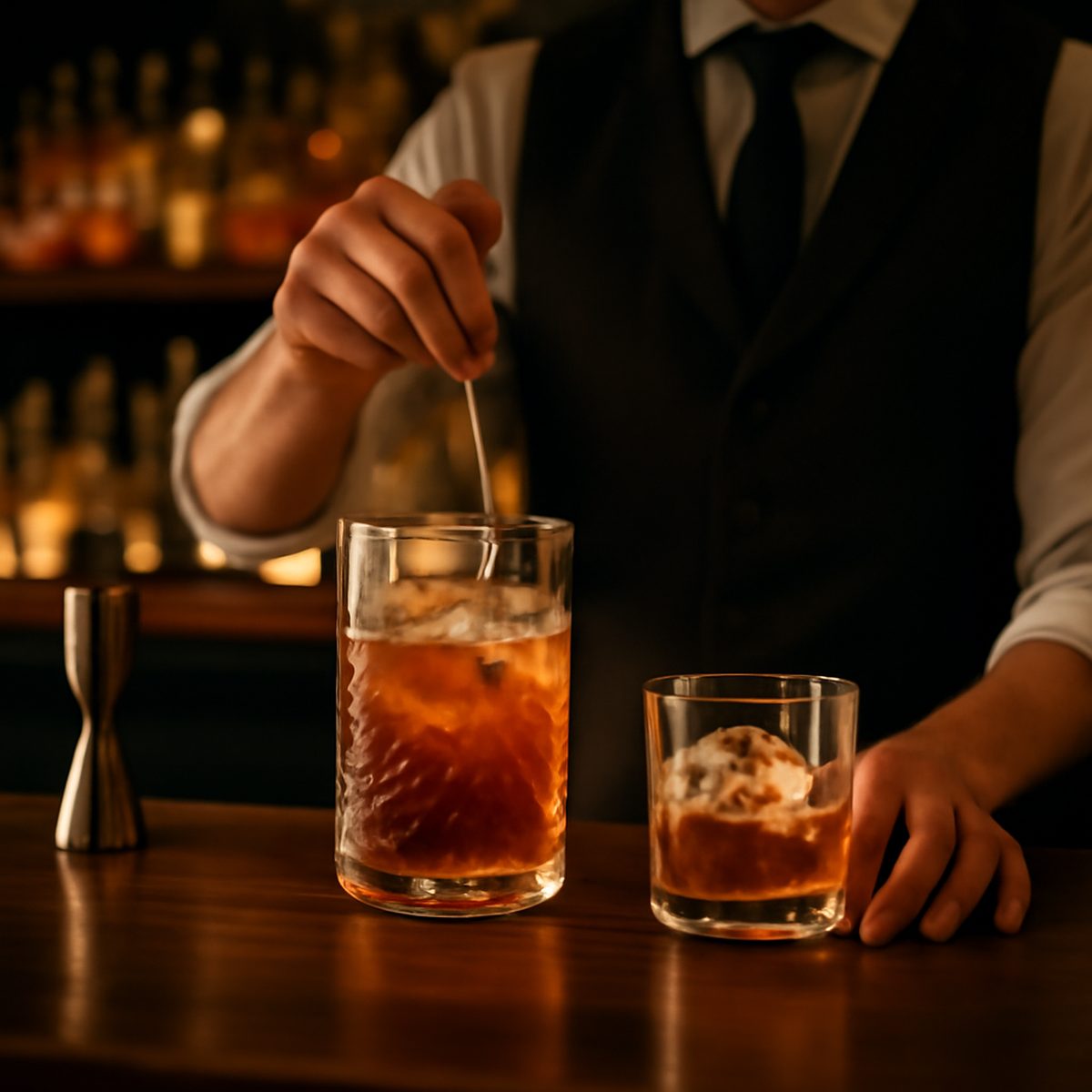
- Visible technique at the bar: proper stirring for spirit-forward drinks, correct shaking for citrus-based ones, ice cut and stored with real care.
- Bartenders able to explain the history and proportions of a classic without reaching for a printed recipe card.
- A willingness to make small, tasteful adjustments to a classic — a different bitters, a house-made syrup — without losing the drink’s essential identity in the process.
“Anyone can dress a drink up with smoke and theatre,” one veteran bartender leading this shift has said. “Making a perfect martini, with nothing to hide behind, is the actual job.”
The bartenders leading the movement
This renewed seriousness has been driven by a specific generation of bar talent, several of whom trained abroad in some of the world’s most historically minded cocktail bars before returning to open or lead programmes in Singapore. Our profile of the bartenders turning bars into destinations looks at exactly this group, many of whom cite the classic canon, rather than any passing trend, as their primary ongoing area of study. It is a genuinely useful companion to Singapore’s best cocktail bars, judged by craft, which maps out where this philosophy is currently being executed at the highest level across the city.
How to spot the difference from the seat
For a guest without a bartending background, the easiest way to judge whether a bar has genuinely committed to this philosophy, rather than simply adopting its visual language, is to order the martini and watch closely. A bar that pours it without asking a single clarifying question — gin or vodka, wet or dry, olive or twist — is either supremely confident or dangerously careless, and the drink that arrives usually settles which. A bar that asks the right questions, adjusts the ratio to the guest’s actual preference rather than a fixed house recipe, and serves the drink at the correct temperature with the ice fully strained away, is one applying real craft rather than borrowed aesthetics. The same test works reasonably well across most of the classic canon — a daiquiri that arrives properly balanced between lime, sugar, and rum, rather than skewed too far toward sweetness for a broader audience, tells a similar story.
This attentiveness extends naturally into how a bar handles a guest’s evolving order across a longer evening, gently steering toward drinks that complement what came before rather than simply taking whatever is requested at face value — a form of hospitality that classic-focused bars, with their deeper grounding in service history, tend to practise unusually well. A good test of such a bar is the Vieux Carré, a stirred classic whose several components only come together in properly practised hands.
The verdict
The return of the classic cocktail bar is less a rejection of innovation than a recalibration of what genuine skill actually looks like behind the counter. A perfectly balanced daiquiri or a correctly stirred martini remains one of the hardest things to get right in the entire drinks world, and Singapore’s better bars have rediscovered that fact with real conviction. For drinkers tired of theatre for its own sake, this is an excellent moment to seek these bars out. The rest of the city’s considered drinking culture is covered across Dining & Drinks.
Renée has covered Singapore's restaurants for over a decade, with a soft spot for the kitchens most people walk past.