The Art of the Daiquiri
Three ingredients, no room to hide. The daiquiri is the drink that tells you everything about a bartender's judgement in a single first sip.
 By Renée Tan
30 August 2026 · 6 min read
By Renée Tan
30 August 2026 · 6 min read
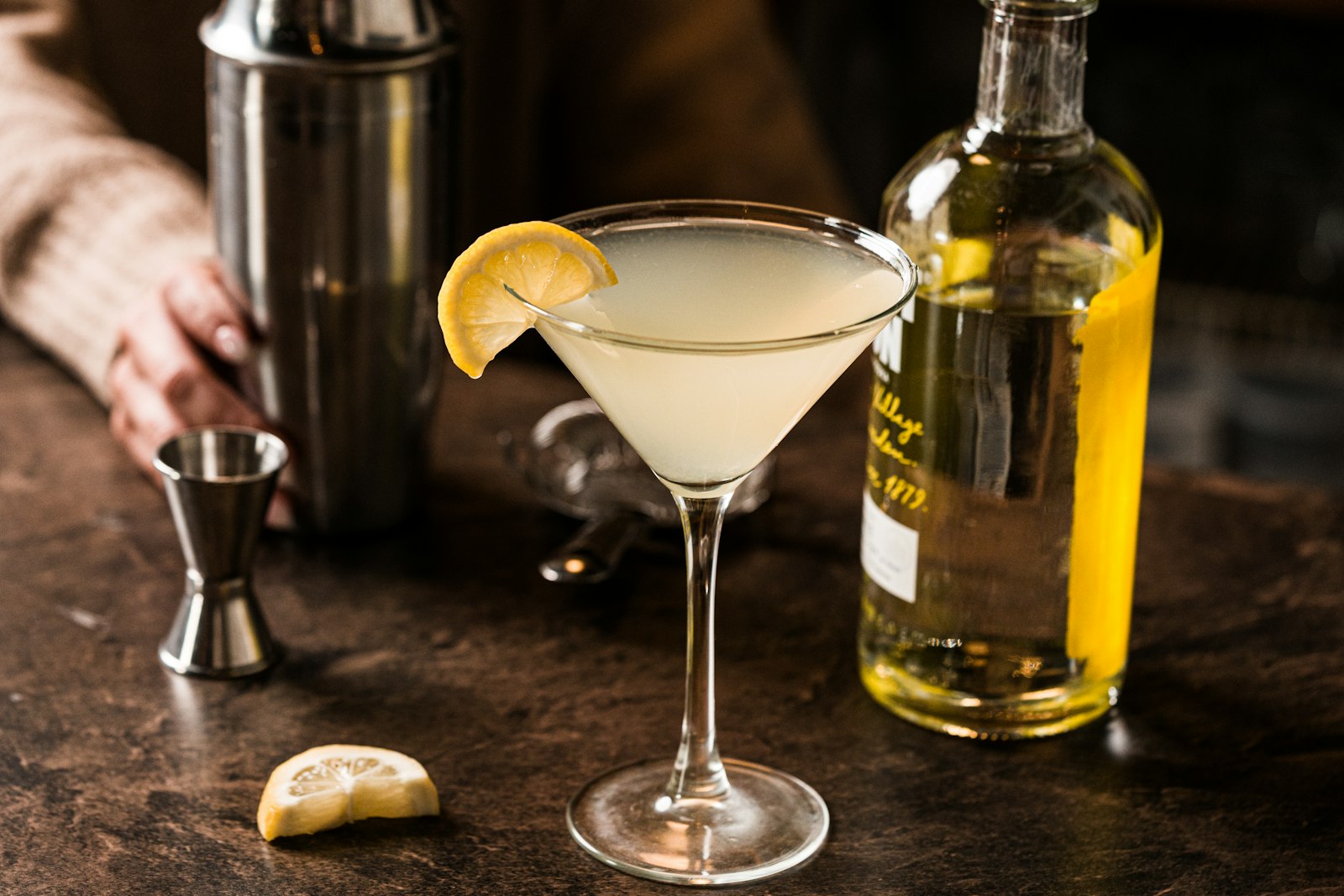
Ask a serious bartender which drink they judge a new bar by, and an unreasonable number of them will say the daiquiri. It seems, on paper, like an odd choice — three ingredients, no elaborate garnish, nothing to hide behind. That is exactly the point. White rum, lime juice, sugar, shaken hard and strained into a coupe: there is nowhere for a lazy bartender to disguise a badly balanced pour, an over-diluted shake, or rum chosen for its price rather than its character. A great daiquiri is one of the purer tests of skill in the entire cocktail canon, and Singapore’s better bars have quietly turned it into something of a house speciality.
Why three ingredients is harder than ten
The daiquiri’s difficulty lies entirely in the ratios, and the ratios shift depending on the rum. A lighter, more neutral white rum needs slightly less sugar to stay balanced; a funkier, more grassy rum can carry more sweetness without losing its edge. Lime juice, meanwhile, is never consistent — its acidity swings with the fruit, the season, even the batch — which means a bartender making daiquiris properly is tasting and adjusting throughout service rather than working from a fixed recipe card. This is the invisible labour that separates a daiquiri worth ordering twice from one that is merely fine: constant small recalibration, invisible to the drinker but audible in the balance of the final sip.
Shake time and ice quality matter more than most drinkers assume. A daiquiri needs a hard, fast shake — long enough to properly chill and dilute the drink, short enough that it does not over-dilute and turn watery. Bars using large-format, slow-melting ice tend to get a cleaner result than those relying on standard bar ice, which melts faster and can push a drink past its ideal dilution before the bartender even notices.
Where to find a serious one in Singapore
A handful of Singapore’s better cocktail bars have built genuine reputations around their daiquiri programme specifically, often running a rotating list of two or three variations alongside the classic — a strawberry version in season, an oleo-saccharum twist using citrus peel oils instead of syrup, occasionally a barrel-aged rendition finished with a touch of oxidative depth. The classic, though, remains the real test, and the bars worth trusting are the ones willing to serve it unadorned, without a flourish of foam or a smoke-filled cloche to distract from the fundamentals.
- A precision-driven cocktail bar built around a serious spirits library, where the bartenders can talk you through three different rums before you have finished ordering.
- A rum-focused speakeasy-style room specialising in aged and rare bottlings, useful for tasting how the daiquiri shifts across different rum styles side by side.
- A neighbourhood bar with a shorter, more considered menu, where the daiquiri sits quietly as the house standard by which regulars judge every new bartender who joins.
How to order one well
- Ask what rum the bar defaults to for their daiquiri, and whether they will swap it — a good bar will have opinions about which rum suits the drink best.
- Order it “up,” in a chilled coupe, never over ice — a daiquiri on the rocks dilutes further with every passing minute and loses its structure fast.
- If a frozen version is offered, treat it as a genuinely different drink rather than a lesser version of the shaken original; the two serve different purposes and different moods.
“I can tell everything about a bar from their daiquiri before I’ve even looked at the rest of the menu — it’s the drink with nowhere to hide,” one Singapore bartender told us, describing why the house daiquiri is usually the first thing new hires are trained on.
A short history worth knowing
The daiquiri takes its name from a mining town near Santiago de Cuba, where it was reportedly first mixed by an American engineer working the iron mines in the early 1900s, using whatever was locally available — Cuban rum, fresh lime, a little sugar to round out the acidity. It travelled north from there, eventually becoming a fixture of American bar culture, most famously the version served without added sugar at a well-known Havana bar frequented by Ernest Hemingway, who reportedly preferred his without the sweetener altogether. The drink’s endurance says something about cocktail culture more broadly: the classics survive not because they are the most inventive things on the menu, but because they leave nowhere for anyone to hide, bartender included. Among its most celebrated variations is the version tied to a famous writer, explored in our piece on the Hemingway daiquiri.
The variations worth trying, and the ones to skip
Once you have had a properly made classic daiquiri, the variations start to make more sense. A strawberry daiquiri, made with actual muddled or pureed fruit rather than a bottled syrup, can be a genuinely serious drink — the fruit’s acidity does real work alongside the lime rather than just adding sweetness on top. The version to be wary of is anything blended with ice into a frozen slush; done properly it is a different, entirely valid drink descended from the same family, but done badly it is simply diluted sugar water with a faint whisper of rum, and it is worth asking a bar which camp theirs falls into before ordering.
A Hemingway daiquiri, sometimes called a “Papa Doble,” swaps the sugar for a touch of maraschino liqueur and adds grapefruit juice alongside the lime, producing something drier and more bracing than the original. It is worth ordering at least once at any bar confident enough to have it on the menu, if only because getting it right requires an even more precise hand than the classic — there is less sugar in the recipe to smooth over any imbalance in the citrus.
What a bad daiquiri tells you
Because the drink is so simple, its failures are unusually diagnostic. A daiquiri that arrives too sweet suggests a bar leaning on syrup to cover for cheap spirit or inconsistent citrus. One that is thin and boozy without much brightness usually means the bartender rushed the shake or measured carelessly. And a daiquiri that tastes flat and slightly bitter, rather than crisp, is often a sign the lime juice sat squeezed for too long before service — fresh citrus oxidises fast, and the best bars squeeze to order in small batches throughout the night rather than prepping a jug for the whole shift. None of this requires a trained palate to notice; it simply requires paying attention to a drink most people assume is too straightforward to get wrong.
For a wider view of where Singapore’s cocktail culture is heading, our guide to Singapore’s best cocktail bars, by craft is worth reading alongside this one, and anyone serious about rum specifically should look to the best rum and where to drink it for a deeper dive into the spirit itself. If you would rather build the habit at home, how to build a home bar worth pouring from covers exactly the kind of setup a proper daiquiri deserves. And for the rest of Singapore’s drinking and eating landscape, our Dining & Drinks section is the place to keep exploring from here.
Renée has covered Singapore's restaurants for over a decade, with a soft spot for the kitchens most people walk past.