How to Choose and Use Shrimp Paste
Shrimp paste has an off-putting smell straight from the packet and a completely different, savoury depth once toasted properly. Here is how to use it well.
 By Renée Tan
31 August 2026 · 6 min read
By Renée Tan
31 August 2026 · 6 min read
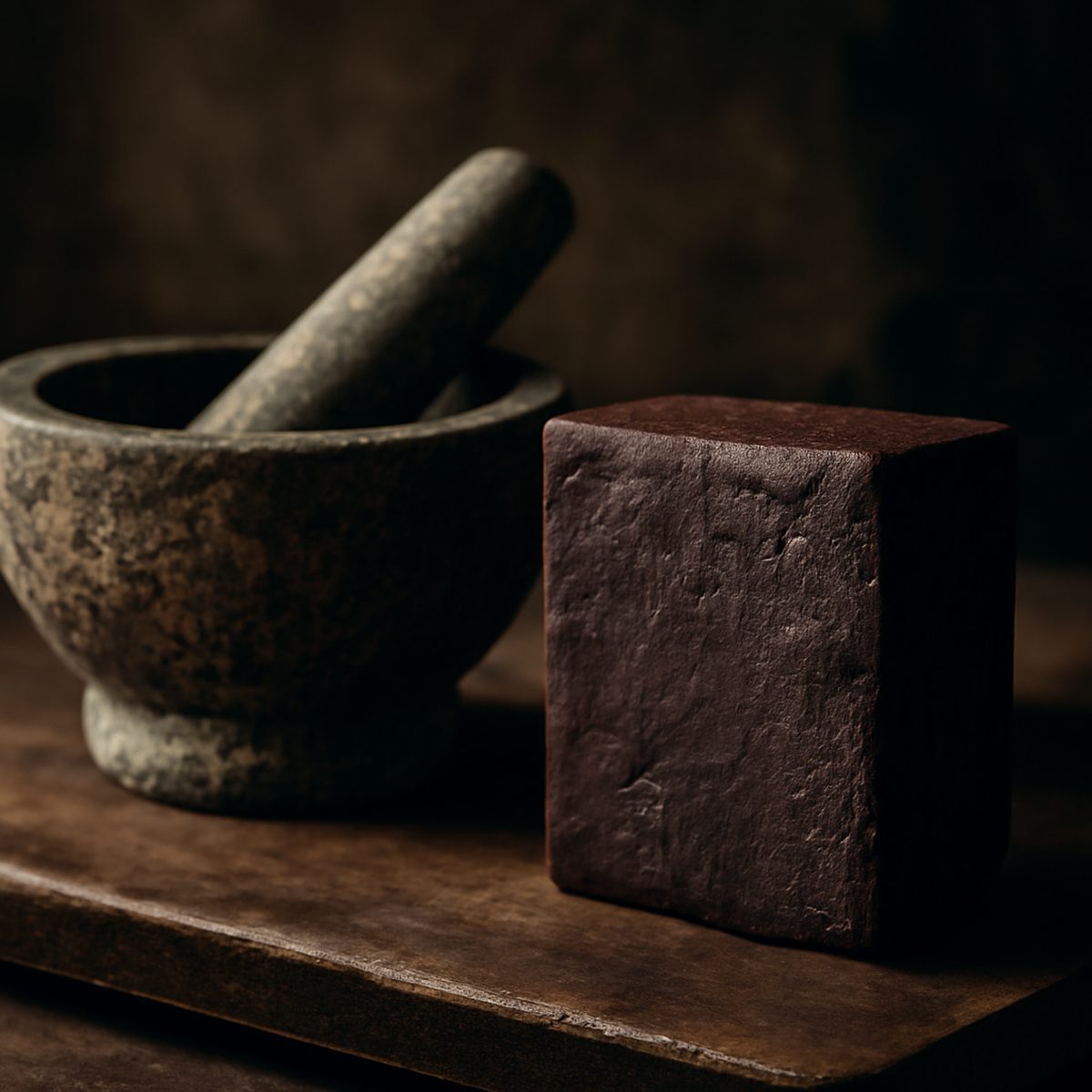
Few ingredients suffer as badly from a first impression as shrimp paste. Straight out of the packet, raw belacan smells sharply, almost aggressively, of fermented seafood — enough to put off a cook who has not yet learned that the raw smell bears almost no resemblance to how the ingredient tastes once properly prepared. Toasted, crumbled into a sambal, or worked into a curry paste, it becomes something else entirely: a deep, savoury, umami backbone that underpins much of Southeast Asian cooking in the same structural way that fish sauce or anchovy paste does in other cuisines. Understanding how to buy and handle it properly makes the difference between a cook who avoids it and one who reaches for it constantly.
What you are actually buying
Shrimp paste, sold under various names across the region — belacan in Malaysia and Singapore, terasi in Indonesia, kapi in Thailand — is made by fermenting small shrimp with salt over weeks or months, then drying and compressing the result into dense blocks or looser pastes. The two broad forms available to home cooks are dried, compressed blocks, which need to be toasted or fried before use, and wetter, ready-made pastes sold in jars, which are typically already cooked and can be used more directly, though usually with less depth than a properly toasted block.
Quality varies significantly between brands and origins, and it is worth buying from a source that turns over stock quickly rather than one where the packet has sat on a shelf for months, since the paste’s aroma and flavour do shift with age, not always for the better. A good block should be a deep purplish-brown, dense and slightly crumbly rather than wet or oily, with a smell that, while pungent, reads as clean fermentation rather than outright spoilage.
Why toasting is non-negotiable
The single most important technique for cooking with belacan is toasting it before use, whether in a dry pan, wrapped in foil over a flame, or briefly under a grill. Raw shrimp paste carries a harsh, almost chemical edge that toasting transforms entirely, breaking down some of the more aggressive compounds and developing a rounder, nuttier, more savoury character in their place. Skipping this step is the most common reason home cooks end up disappointed by the ingredient, producing a dish that tastes sharply fishy rather than deeply savoury.
A simple method: wrap a small piece of the block in foil and toast it in a dry pan or over a low flame for a few minutes on each side, until it becomes fragrant and slightly darker. The smell should shift noticeably during this process — from sharp and raw to something closer to toasted, savoury, almost like a good stock reducing. This toasted paste can then be pounded into a sambal base with chilli, garlic, and shallot, a foundational technique covered in more depth in our guide to choosing and using chilli and sambal, where belacan often forms the savoury backbone beneath the chilli’s heat.
Common uses worth learning
- As the base of a sambal belacan, pounded with fresh chilli, lime, and a touch of sugar.
- Stirred into fried rice in small quantities for a savoury depth that salt alone cannot replicate.
- Worked into curry pastes alongside lemongrass, galangal, and dried chilli.
- Used sparingly in stir-fried vegetables, particularly water spinach, where it adds a background savoury note rather than dominating.
How much to use
Because it is so concentrated, shrimp paste is almost always used in small quantities — a teaspoon or less can transform an entire pot of sambal or curry paste, and over-adding is a far more common mistake than under-adding. The instinct for a first-time user is often to be cautious to the point of using too little, producing a dish that tastes merely salty rather than genuinely savoury and complex. It is worth starting with a small amount, tasting, and adding incrementally rather than committing a large quantity upfront, since the flavour deepens with cooking time in a way that is hard to correct for once overdone. The same small-quantities discipline applies to the aromatics that usually share the mortar, as our guide to choosing and using galangal explains. Its pungency is often lifted by brighter aromatics, and our guide to choosing and using kaffir lime covers one of the most useful partners.
This same principle of small, concentrated additions transforming a whole dish shows up across a number of fermented and umami-rich condiments, and readers who enjoy this kind of ingredient might also find our guide to choosing and using oyster sauce useful, since both ingredients occupy a similar role as a background flavour amplifier rather than a headline ingredient.
Storage and sourcing
Because of its intensity, unused shrimp paste keeps well for long periods if stored properly, wrapped tightly to avoid perfuming the rest of the refrigerator or freezer, which it will happily do if left uncovered. Buying it fresh from a wet market rather than a packaged supermarket version tends to yield a noticeably better product, and it is worth visiting a stall that specialises in dried goods and spices, similar to the kind of vendor covered in our piece on the story of the local wet market, where the turnover and quality tend to be higher than a general grocery aisle.
Regional variations worth trying
Once a cook is comfortable with the basic toasted paste, it is worth exploring how neighbouring cuisines treat the ingredient differently. Indonesian terasi tends to be sold in a slightly wetter, softer form and is often used more liberally in dishes like sambal terasi, where it is pounded fresh with raw chilli rather than pre-cooked into a jarred sambal. Thai kapi, meanwhile, frequently appears in a looser paste form and underpins dishes like nam prik kapi, a chilli dip built almost entirely around its savoury depth, served with raw or blanched vegetables as a foil for the intensity. Tasting these regional variations side by side is one of the more instructive ways to understand how a single fermentation technique, applied slightly differently, produces such distinct national styles of cooking. Belacan is frequently balanced with something sour, and our guide to choosing and using tamarind covers one of the region’s essential souring agents.
It is also worth noting that quality shrimp paste varies as much by producer as by region, in the same way that a good fish sauce or soy sauce depends heavily on the specific maker’s process rather than the broad category alone. Cooks who find one brand consistently disappointing should not conclude the ingredient itself is the problem before trying a different source.
Shrimp paste rewards exactly the kind of patient, technique-driven handling that separates considered home cooking from convenience cooking. Toast it properly, use it sparingly, and buy it from a source that moves through stock quickly, and an ingredient most first encounter as off-putting becomes one of the more indispensable items in a well-stocked Southeast Asian pantry. Our wider Dining & Drinks coverage returns often to the pantry staples that quietly underpin the region’s best home cooking, and belacan remains one of the most rewarding to master.
Renée has covered Singapore's restaurants for over a decade, with a soft spot for the kitchens most people walk past.