How to Choose and Use Galangal
Galangal and ginger look alike but taste worlds apart. Here is how to choose, prepare, and cook with this foundational aromatic with real confidence.
 By Renée Tan
31 August 2026 · 5 min read
By Renée Tan
31 August 2026 · 5 min read
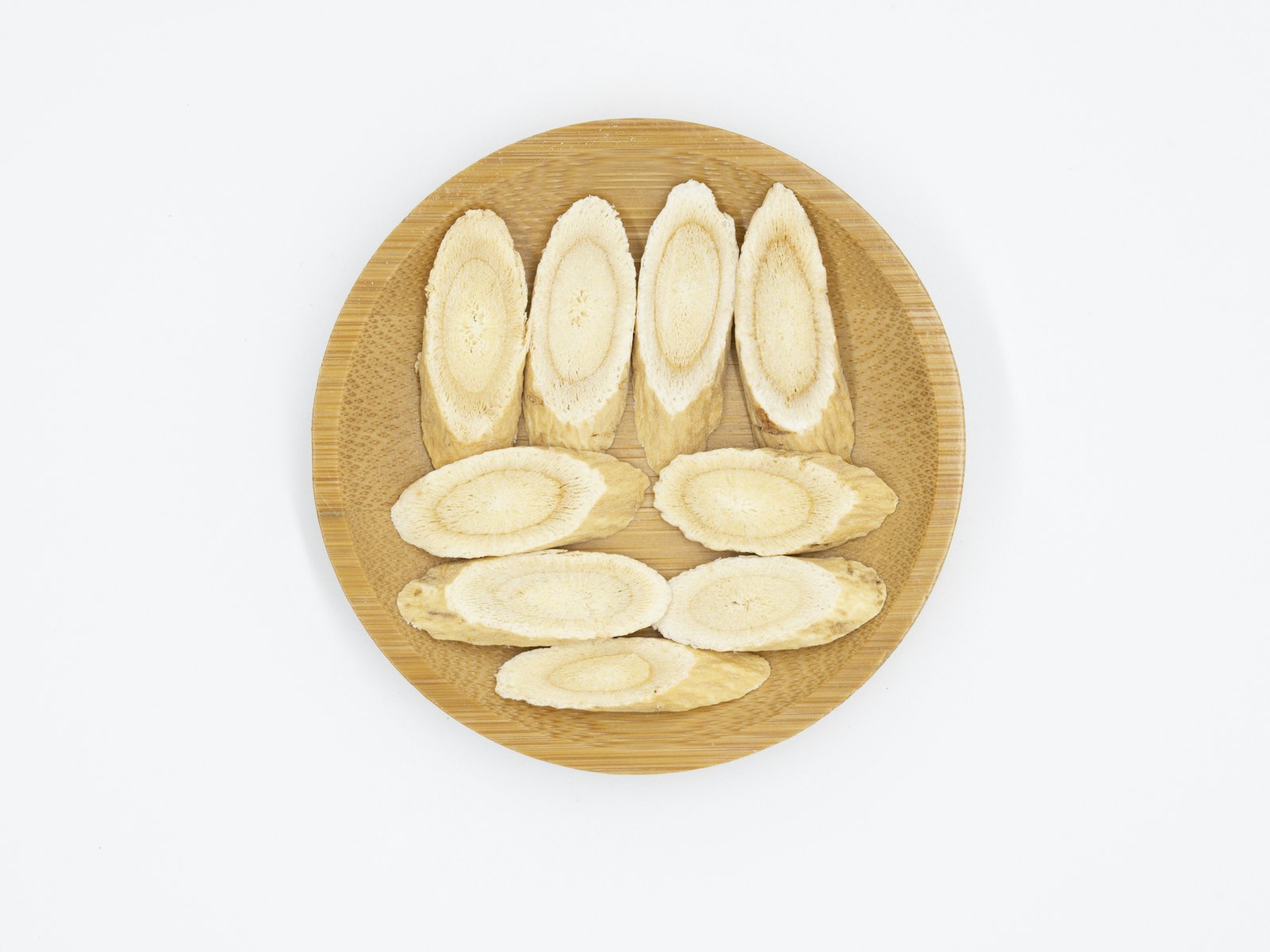
Galangal spends most of its life being mistaken for ginger, which is both understandable and a genuine disservice to an ingredient with a character entirely its own. Pick up a knob of each in a wet market and the resemblance is obvious — both are pale, knobbly rhizomes from the same broad botanical family. But snap one open and the difference announces itself immediately: where ginger is warm, sharp, and faintly sweet, galangal is piney, citrus-bright, and carries a peppery, almost medicinal edge that ginger simply does not have. Cooks who substitute one for the other, assuming they are interchangeable, are missing most of what makes each ingredient worth using deliberately.
Southeast Asian cooking treats galangal as a foundational aromatic rather than a garnish, appearing in the paste base of countless curries, soups, and sambals across the region. Its role is structural — building the savoury, aromatic backbone a dish is built on — rather than a finishing flourish added at the end for brightness, which is closer to how ginger tends to function in many cuisines.
Choosing galangal at the market
Fresh galangal should feel firm and heavy for its size, with smooth, unwrinkled skin — a sign it has not been sitting too long since harvest. Younger galangal tends to have a pinkish blush near the growing tips and a milder flavour, better suited to dishes where you want the aromatic in the background rather than dominating. Older, more mature rhizomes turn a deeper tan or brown, with a noticeably more fibrous texture and a sharper, more assertive flavour — the kind of galangal that stands up to long-simmered curry pastes without disappearing.
Avoid any piece that feels soft, spongy, or shows visible mould at the cut ends, all signs of age past its useful cooking life. A good specimen, stored properly, will keep for several weeks in the refrigerator, though its flavour is at its most vivid within the first week or so of purchase.
Preparing galangal properly
Unlike ginger, galangal’s fibrous texture makes it genuinely difficult to grate by hand — most cooks either slice it thinly against the grain for dishes where the pieces will be removed before serving, such as a simmered soup, or pound it in a mortar alongside other paste ingredients, where the mortar’s crushing action breaks down the fibres more effectively than a blade alone can manage. A food processor can substitute for a mortar in a pinch, though the texture and release of aromatic oils differ noticeably from hand-pounding.
- For soups where the galangal will be discarded before serving, bruise thick slices with the flat of a knife to release more flavour into the broth without needing to pound it fine.
- For pastes and sambals, slice thinly across the grain first, which makes the subsequent pounding considerably easier and produces a smoother finished paste.
- Frozen galangal, sliced before freezing, is a perfectly reasonable substitute when fresh is unavailable, and loses relatively little of its aromatic character compared to other frozen aromatics.
Where galangal earns its place
A properly made tom kha, the coconut and galangal soup familiar across the region, depends almost entirely on getting galangal’s proportion right — too little and the soup tastes merely of coconut milk and lime; too much and the peppery sharpness overwhelms everything else. Rendang and many curry pastes lean on galangal as one of several foundational aromatics working in concert with lemongrass, chilli, and shallot, each contributing a distinct note to a paste that should taste layered rather than singular.
“Ginger makes a dish warm. Galangal makes it bright. People use them the same way and wonder why the curry tastes flat,” a hawker specialising in regional curries told us, working a mortar with practised speed.
Beyond the paste: other uses worth knowing
Galangal’s citrus-forward brightness makes it a useful ingredient beyond its traditional savoury applications. Thinly sliced and steeped in hot water, it produces a genuinely pleasant, warming tea, particularly popular in parts of the region during cooler months. Some contemporary bartenders have also started experimenting with galangal syrups and infusions, drawn to the same peppery brightness that makes it so effective in a curry paste, now repurposed as a cocktail modifier.
Home cooks looking to expand their aromatic pantry more broadly should read our companion guide on choosing and using dried spices, which covers the shelf-stable counterparts to fresh aromatics like galangal, and our wider field guide to Southeast Asian spice, which situates galangal within the broader pantry it typically shares space with — lemongrass, kaffir lime, turmeric, and chilli among them. Cooks building out a curry-focused kitchen should also see our guide to choosing and using curry powder, a useful contrast between a fresh rhizome and a blended, shelf-stable spice mix built for a similar purpose.
An aromatic worth knowing on its own terms
Galangal’s persistent misidentification as “just a type of ginger” has done it few favours over the years, obscuring an ingredient with a genuinely distinct flavour profile and a central, structural role in some of the region’s most beloved dishes. Once a cook learns to taste the difference — piney rather than warm, citrus-bright rather than sweet — galangal stops being a ginger substitute and starts being what it always was: an aromatic worth seeking out and using with the same deliberate attention as any other foundational ingredient in a well-stocked kitchen. The full Dining & Drinks archive carries further guides for cooks building out their pantry this way.
A practical suggestion for anyone still developing a feel for the ingredient: buy a piece specifically to taste raw, in isolation, before attempting to cook with it. Slice a thin coin, chew it slowly, and note where the flavour lands — the initial pepperiness, the cooling, almost eucalyptus-like finish that follows a beat later. That single exercise does more to build an intuitive understanding of galangal than any recipe can, and it is the fastest route to knowing, by instinct rather than measurement, exactly how much a given dish actually needs.
Renée has covered Singapore's restaurants for over a decade, with a soft spot for the kitchens most people walk past.