A Guide to Arrack and Ceylon Spirits
Arrack is not rum, despite the frequent mix-up. Distilled from fermented coconut flower sap rather than sugarcane, it is a genuinely distinctive spirit.
 By Renée Tan
31 August 2026 · 6 min read
By Renée Tan
31 August 2026 · 6 min read
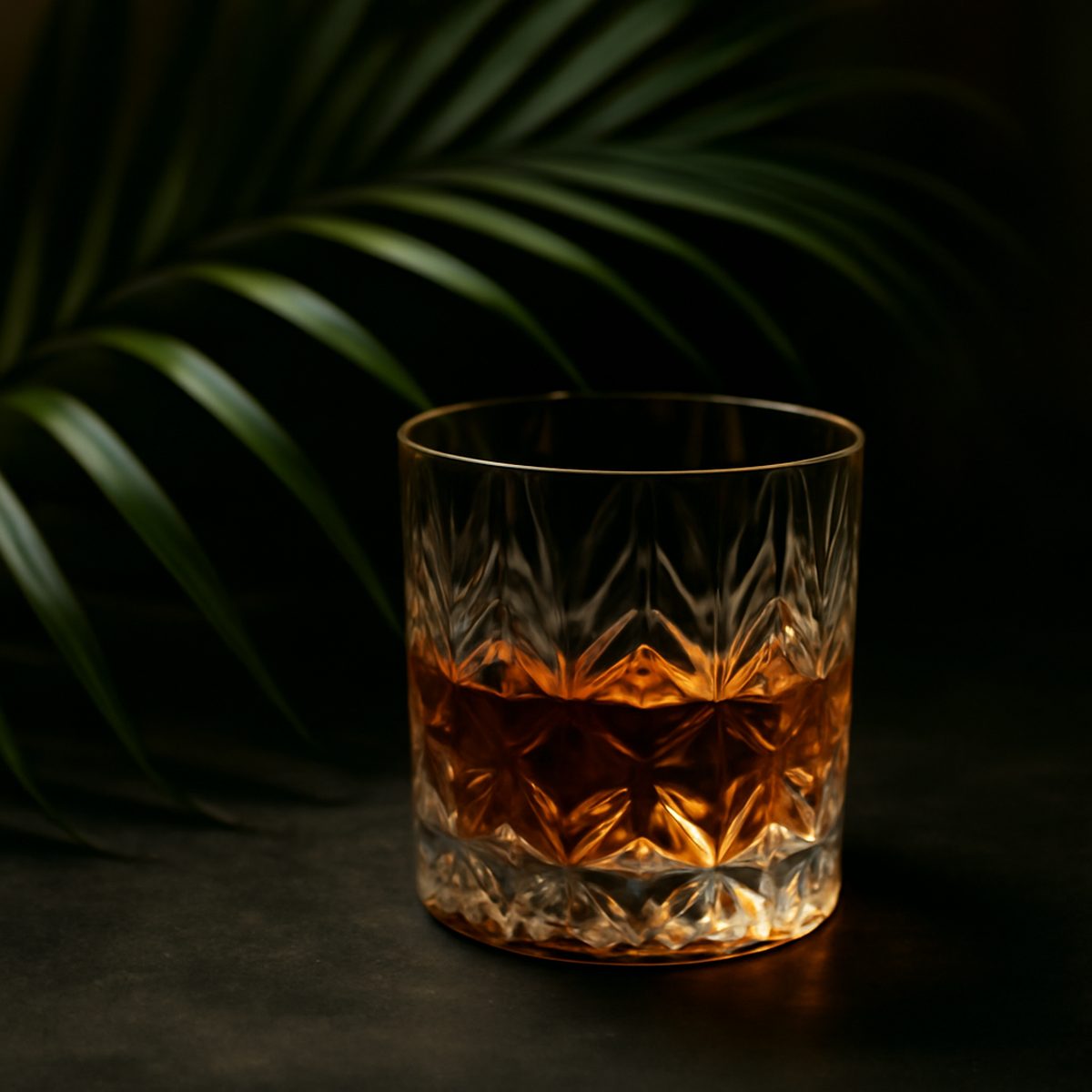
Arrack gets mistaken for rum constantly, understandably so given the colour, the tropical origin, and the vague cultural association most drinkers carry with sugarcane-adjacent spirits. But Ceylon arrack — the specific style produced in Sri Lanka, which is the version most worth understanding — is made from an entirely different raw material, and that difference produces a spirit with a genuinely distinct character worth seeking out on its own terms rather than treating as a rum substitute.
What arrack actually is
Ceylon arrack is distilled from the fermented sap of the coconut flower, tapped from the tree before it opens, rather than from sugarcane juice or molasses. The sap is collected daily by toddy tappers using techniques that have changed little over generations, then naturally fermented into a mildly alcoholic toddy before being distilled, typically in traditional column or pot stills, and aged in halmilla wood — a hardwood native to Sri Lanka that imparts a flavour profile distinct from the oak used in most Western spirit ageing.
That combination of raw material and ageing wood is what gives good arrack its character: a slightly funky, floral sweetness from the coconut flower sap, layered with a woody, almost spiced depth from the halmilla barrels that is genuinely different from anything produced by sugarcane fermentation. Drinkers expecting a rum-adjacent flavour are often surprised by how much more aromatic and floral a well-made arrack tastes by comparison.
How it differs from rum, specifically
The confusion between arrack and rum is understandable but worth clearing up properly, since the raw material difference cascades into nearly every other aspect of the spirit’s character. Rum, made from sugarcane juice or its byproduct molasses, tends toward a sweeter, more caramelised profile, particularly in darker, longer-aged expressions. Arrack’s coconut-flower base produces something leaner and more floral, generally with less overt sweetness and a distinctive nutty, slightly savoury undertone that no rum quite replicates. Readers interested in comparing the two directly should look at our guide to rum agricole and cane spirits, which covers a rum style — distilled from fresh sugarcane juice rather than molasses — that shares arrack’s grassy, slightly funky character more closely than most conventional rums, even though the underlying raw material remains fundamentally different.
It is also worth noting that “arrack” as a term is used loosely across a number of different countries and traditions, from rice-based arrack in parts of Southeast Asia to date-based versions in the Middle East, none of which bear much resemblance to the coconut-flower spirit discussed here. When buying, look specifically for Ceylon or Sri Lankan arrack if it is this particular style you are after, since the generic term alone can lead to a very different bottle.
How to drink it
- Neat or on the rocks, to appreciate the floral, woody character without dilution.
- With soda and a wedge of lime, a traditional and genuinely refreshing long serve.
- In a simple sour, where its floral notes hold up surprisingly well against citrus and sugar.
- Blended into a milk punch, a less common but traditional preparation that mellows the spirit’s more assertive edges.
Where it sits among other cane and tropical spirits
Arrack belongs to a broader family of regionally distinctive spirits that reward the same kind of curiosity, many of which remain underexplored relative to more globally dominant categories like whisky or gin. Our guide to aquavit and Nordic spirits covers a similarly under-appreciated regional category built on a completely different tradition, while readers curious about other lesser-known cane and fermented-sap spirits might also enjoy our pieces on genever and Dutch spirits and pisco and South American spirits, both of which share arrack’s status as a spirit with a long regional history that has only recently begun receiving wider international attention.
“People assume it’s a type of rum because of the colour,” one Singapore bartender working with arrack told us. “Once they smell it properly, they realise it’s its own thing entirely.”
Mixing it into cocktails
Beyond the traditional serves, arrack is finding its way onto more considered Singapore cocktail menus, often used as a substitute for rum in classic formulas to give a familiar drink an unexpected floral lift. Bartenders working with it seriously tend to use a lighter hand with sweeteners than a rum-based version of the same drink would call for, since arrack’s own natural sweetness and aromatic complexity need less scaffolding around them. Our broader Dining & Drinks coverage tracks bars in Singapore experimenting with less common spirits like this, and it is a category well worth watching as more bartenders discover what arrack can do outside its traditional home.
For a spirit distilled the same patient, artisanal way for generations, Ceylon arrack remains surprisingly under-ordered outside Sri Lanka itself. Seek out a bottle from a producer that ages properly in halmilla wood, and taste it on its own terms rather than as a rum stand-in — the floral, woody character it offers is genuinely unlike anything else on the back bar.
Reading a label properly
Because arrack quality varies considerably, it is worth learning to read a label with some care before buying. Ageing statements, where included, indicate time spent in halmilla wood and generally correlate with a rounder, less raw spirit, though very young arrack has its own appeal for mixing rather than sipping neat. Some producers blend arrack with a small proportion of imported spirit to stretch supply or soften cost, and a label that specifies one hundred percent coconut-flower distillate is usually a more serious, purer expression than a blended alternative. As with many smaller regional spirit categories, buying from a specialist retailer or bar with genuine knowledge of the category, rather than a generic supermarket shelf, tends to yield a noticeably better bottle and a more informed sense of what you are actually drinking. It is also worth tasting a few different producers side by side where possible, since arrack, much like whisky or rum, varies considerably in character depending on the specific still, water source, and ageing regime a producer uses, even when working from the same basic coconut-flower raw material.
Renée has covered Singapore's restaurants for over a decade, with a soft spot for the kitchens most people walk past.