A Guide to Aquavit for the Curious
Caraway, dill and cold northern light held in a glass. Aquavit is a table spirit with centuries of ritual behind it, and it richly rewards the curious drinker.
 By Renée Tan
1 September 2026 · 6 min read
By Renée Tan
1 September 2026 · 6 min read
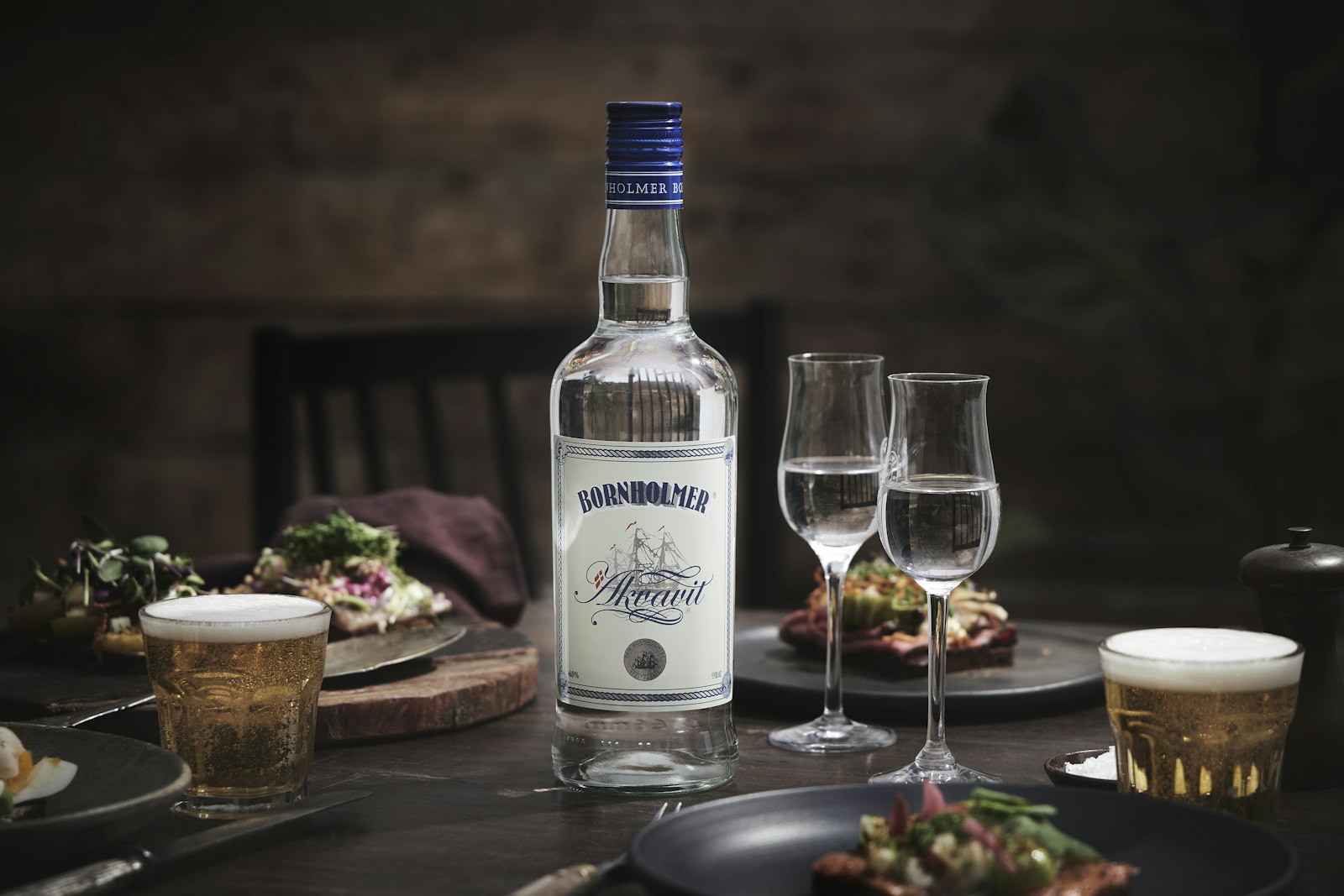
Every drinking culture has a spirit that means home, and for much of Scandinavia that spirit is aquavit. Caraway-scented, cold-served and bound up with the ritual of the table, it is one of the great overlooked pleasures for the curious drinker. This aquavit guide is an invitation to look past the novelty and find a spirit with genuine depth, centuries of tradition, and a place at the table that few others can claim.
The name comes from the Latin for water of life, a phrase it shares with several European spirits, and the family resemblance is real. But where others lean on fruit or grain character, aquavit is defined by its botanicals, above all caraway and dill. It is a spirit of the north, made for long meals in cold places, and it carries that sense of occasion in every glass.
What aquavit actually is
At its core, aquavit is a neutral spirit distilled from grain or potato and flavoured with caraway or dill, along with a supporting cast that may include fennel, coriander, citrus peel and other aromatics. Each distiller guards its own recipe, and the balance of botanicals is what gives a bottle its personality. Some are bright and herbaceous, others deep and savoury.
A crucial distinction is ageing. Some aquavits are bottled clear and fresh, tasting sharply of caraway and herbs. Others, particularly in the Norwegian tradition, are aged in oak, sometimes travelling across the sea in barrel, which rounds the spirit into something amber, mellow and almost sherried. The two styles drink very differently, and knowing which you have in hand shapes how you serve it.
How to drink it
Aquavit is, first and foremost, a table spirit. It is drunk cold, in small measures, alongside food, and the ritual matters as much as the liquid. In its heartland it accompanies rich, salty, oily dishes, cutting through them and resetting the palate for the next bite.
- Serve clear aquavit well chilled, in a small glass, taken in sips through a meal rather than before it.
- Let aged aquavit come up closer to cool room temperature, where its oak and spice open out like a good brandy.
- Pair it with cured fish, pickles, cheese and charcuterie, the foods that built the tradition.
This food-first approach places aquavit in interesting company. It shares an aperitif’s logic of preparing the palate, and anyone who enjoys thinking about aperitifs and vermouth will recognise the same instinct at work, even if the flavours run in a very different direction.
Aquavit is not a spirit to shoot and forget. It is a spirit to sip, cold, with food, in the company of people you are in no hurry to leave.
Where it sits among northern spirits
Aquavit belongs to a broader northern European tradition of botanical spirits, and understanding its neighbours sharpens your appreciation of it. It grew up alongside genever and the Dutch spirits that gave the world its idea of juniper-led drinking, and the two families share a certain earnest, food-friendly seriousness. If you enjoy the caraway backbone of aquavit, exploring aquavit and the wider Nordic spirits will show you how a single region expresses cold-climate distilling across a whole shelf of bottles.
The rituals that surround it
Aquavit is inseparable from the customs of the table it belongs to, and part of appreciating it is understanding those customs. In its heartland it appears at seasonal feasts and long midsummer lunches, poured cold and taken between mouthfuls of food, often accompanied by a toast and a moment of eye contact before the glass is raised. The drink is a social lubricant in the most literal sense, pacing a meal and binding a table together over hours rather than minutes. To drink it alone and quickly is to miss most of what it is for.
These rituals are not mere quaintness; they shape how the spirit tastes. Taken slowly, with rich and salty food, aquavit reveals a savoury complexity that is lost when it is thrown back cold and forgotten. The caraway opens up, the herbs unfold, and the warmth of the spirit gathers gradually rather than hitting all at once. Anyone raised on the idea of spirits as something to be shot or mixed will find this measured, food-bound approach genuinely revelatory.
Cooking and mixing with it
Though aquavit is above all a drinking spirit, it has quiet uses beyond the glass. A splash lifts a seafood sauce or a pot of mussels, its caraway echoing the flavours of the sea. In recent years bartenders have begun to treat it as a base for cocktails, standing in for gin in a martini-style drink or adding its herbal signature to something long and cold. These are pleasant diversions rather than its true calling, but they show how versatile a well-made bottle can be once you stop thinking of it as a curiosity and start thinking of it as an ingredient. Kept in the freezer, a bottle stays syrupy and ready, and a small measure poured over ice does no harm at all on a warm evening. The point is simply that aquavit is far more useful than its niche reputation suggests, once you let go of the idea that it belongs only to festive tables in the far north.
Beginning your own exploration
Start with a clear, unaged aquavit to meet the caraway character head on, and drink it as intended, cold and with food, rather than judging it neat and warm. Once that flavour is familiar, seek out an aged bottling to see how oak transforms it. Tasting the two side by side, with a plate of cured fish and pickles between them, is the single most illuminating thing a newcomer can do.
Aquavit will never be a fashionable spirit, and that is part of its quiet appeal. It asks you to slow down, to eat while you drink, and to treat the glass as part of a longer ritual rather than an end in itself. In an age of noisy novelty, that measured, table-bound pleasure feels genuinely luxurious, and it fits naturally alongside the considered drinking we return to across our dining and drinks writing. Pour a small cold measure, set out something salty to eat, and let a spirit older than most of our habits show you why it has lasted.
Renée has covered Singapore's restaurants for over a decade, with a soft spot for the kitchens most people walk past.