A Guide to Pisco and South American Spirits
Pisco is one of the most misunderstood spirits behind a bar. Here is a considered primer on the grape brandy and where Singapore is using it well.
 By Renée Tan
30 August 2026 · 6 min read
By Renée Tan
30 August 2026 · 6 min read
Pisco occupies an unusual position in the world of spirits: widely known by name, thanks largely to the Pisco Sour, and genuinely misunderstood by nearly everyone outside Peru and Chile, the two countries that both claim the spirit as a matter of national identity and, occasionally, genuine diplomatic tension. Understanding what pisco actually is — and the real differences between its major regional styles — makes for a far more interesting drinking experience than simply ordering the one cocktail most bars default to.
What pisco actually is
Pisco is a grape brandy, distilled from fermented grape juice rather than grain or sugarcane, made specifically from a handful of aromatic grape varieties — Quebranta, Italia, Torontel and several others, depending on the country and region. Unlike most brandies, it is typically unaged, or aged only very briefly in neutral vessels, which preserves the bright, floral, grape-forward character that would otherwise be muted by oak. That distinction — no significant barrel ageing — is central to pisco’s identity and is part of why it tastes markedly different from a Cognac or an Armagnac, despite the shared grape base.
Peruvian versus Chilean pisco: a genuine difference, not just marketing
Peruvian pisco is regulated tightly, made using pot-still distillation exclusively, bottled at proof without dilution, and produced only from specific approved grape varieties within designated regions. The result tends to be more aromatic and intensely grape-forward, with distinct varietal character depending on which grape was used — a pisco made from the Italia grape, for instance, carries a noticeably different floral profile from one made with Quebranta.
Chilean pisco, by contrast, permits both pot and column still distillation, allows dilution with water after distillation, and is generally produced from a somewhat different set of grape varieties across a broader designated region. The resulting spirit tends to be lighter and more neutral in character, which has made it a popular base for cocktails beyond the classic sour, though purists on both sides of the border will happily argue for hours about which style is superior.
Beyond the Pisco Sour
- Pisco Sour — pisco, lime, simple syrup, egg white and bitters, shaken hard for the signature foam. The benchmark drink, and a genuinely good test of a bar’s technique.
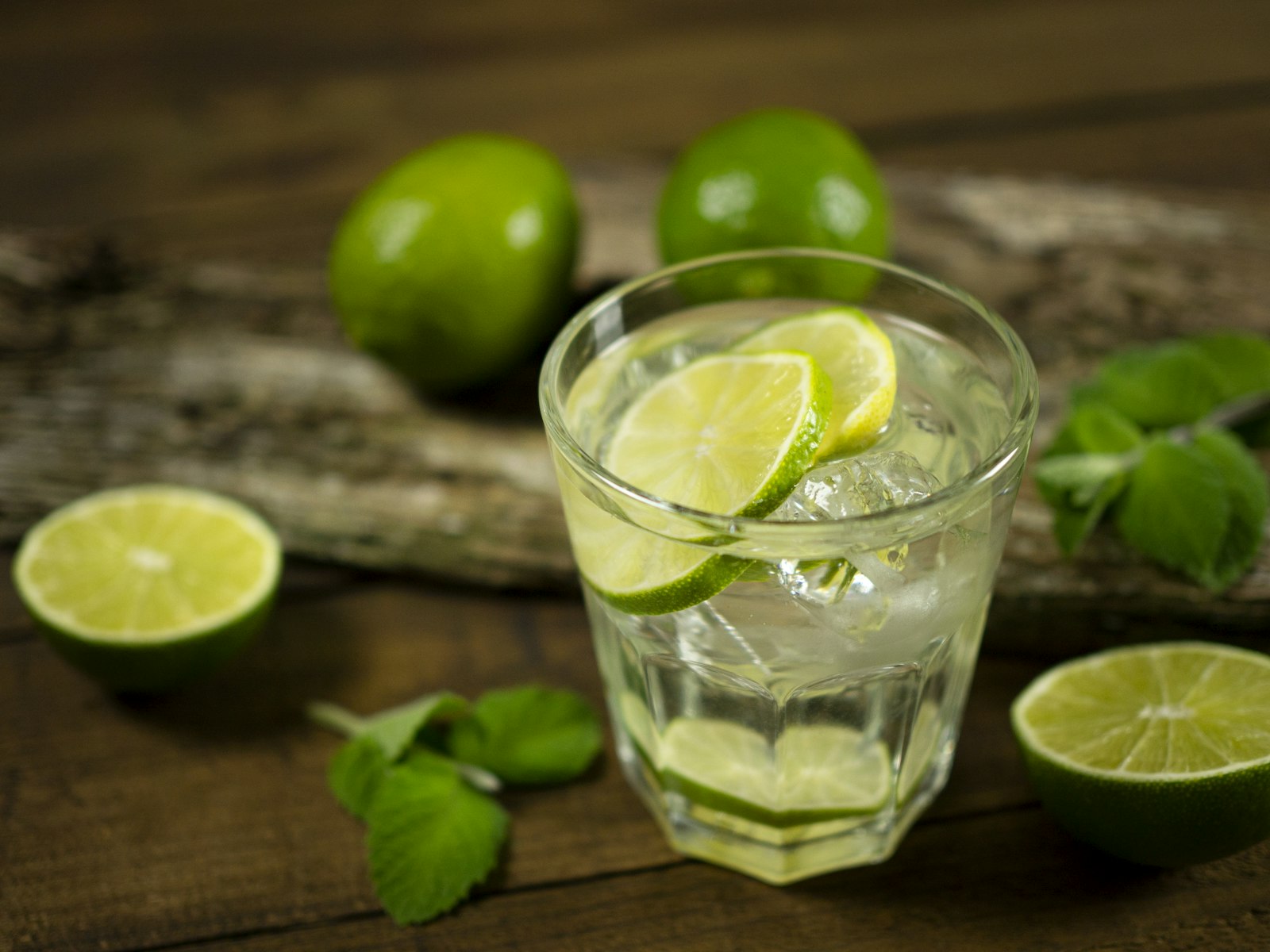
- Chilcano — pisco, lime and ginger ale over ice, a simpler, more refreshing highball that lets the spirit’s aromatics show through without competing elements.
- Capitán — pisco and sweet vermouth, essentially a South American cousin of the Manhattan, worth ordering at any bar confident enough to have it on the menu.
“Most people’s only reference point is the sour, which is a great drink, but it’s a bit like judging whisky only by a whisky sour. Pisco has a lot more range than that one cocktail suggests,” a Singapore bartender specialising in South American spirits told us.
Where Singapore’s bars are taking it seriously
Pisco’s presence in Singapore’s cocktail scene has grown steadily as bartenders more broadly have developed a deeper interest in spirits categories beyond the usual gin, whisky and rum staples. Our wider survey of the return of the classic cocktail bar touches on this shift in bartender curiosity more broadly, and pisco has been a genuine beneficiary of that movement — bars building out proper South American spirit sections rather than stocking a single bottle purely to make Pisco Sours on request.
For readers whose curiosity runs toward comparing pisco against other unaged or lightly-aged spirits with strong regional identity, our piece on the distilleries and gin worth knowing offers a useful parallel case study in how terroir and production method shape a spirit’s character, even though the categories themselves are quite different.
A spirit worth ordering deliberately
Pisco rewards curiosity in a way that goes well beyond its signature cocktail. Asking a bartender which style and grape variety is behind a particular bottle, and how it might change a drink, tends to open up a genuinely interesting conversation — and often a genuinely better pour than simply ordering the house sour without further thought. It remains an under-explored category on most Singapore bar menus, which makes it a rewarding one to seek out deliberately rather than by accident.
For more of our spirits and cocktail coverage, visit Dining & Drinks.
Beyond pisco: the wider South American spirits cabinet
Pisco is the best-known South American spirit outside the region, but it is far from the only one worth a curious drinker’s attention. Cachaça, Brazil’s sugarcane spirit distilled directly from fresh cane juice rather than molasses, offers a grassier, more vegetal profile than rum and is the foundation of the Caipirinha, a genuinely underrated cocktail when made with fresh lime and properly balanced sugar rather than a pre-made mix. Singani, a Bolivian grape brandy with genuine similarities to pisco but its own distinct production rules and character, remains almost entirely unknown outside its home country, though a handful of more adventurous Singapore bars have begun stocking it as a genuine conversation piece.
What unites this wider category is a shared emphasis on preserving the base ingredient’s character rather than masking it with heavy oak ageing — a philosophy that puts South American spirits in interesting contrast with the whisky- and Cognac-dominated conversation that still shapes most premium spirits menus. For a bar or a home bar genuinely interested in range rather than simply following convention, this corner of the spirits world remains one of the more rewarding places left to explore.
Aguardiente, popular across Colombia and Ecuador and typically anise-flavoured, rounds out the picture further, though it remains almost entirely absent from Singapore bar menus and is more often encountered, if at all, brought back as a personal souvenir from travel rather than stocked commercially. That relative absence is, in its own way, an invitation — a genuinely untapped category for any bar willing to do the sourcing work, and a strong argument for asking a well-travelled bartender what else might be worth requesting beyond the standard pisco pour.
Singapore’s growing curiosity about lesser-known spirits categories more broadly has slowly created room for these South American cousins to appear on more adventurous menus, even if only in small quantities to start. A bartender who has taken the trouble to source cachaça or singani specifically, rather than relying solely on the more familiar pisco, is usually signalling a wider interest in world spirits worth engaging with directly, glass by glass, question by question.
Renée has covered Singapore's restaurants for over a decade, with a soft spot for the kitchens most people walk past.