Forty-Eight Hours in Kagoshima
An active volcano across the bay, thermal sand baths, and some of Japan's best pork: forty-eight considered hours in Kagoshima, at the tip of Kyushu.
 By Marcus Lim
30 August 2026 · 6 min read
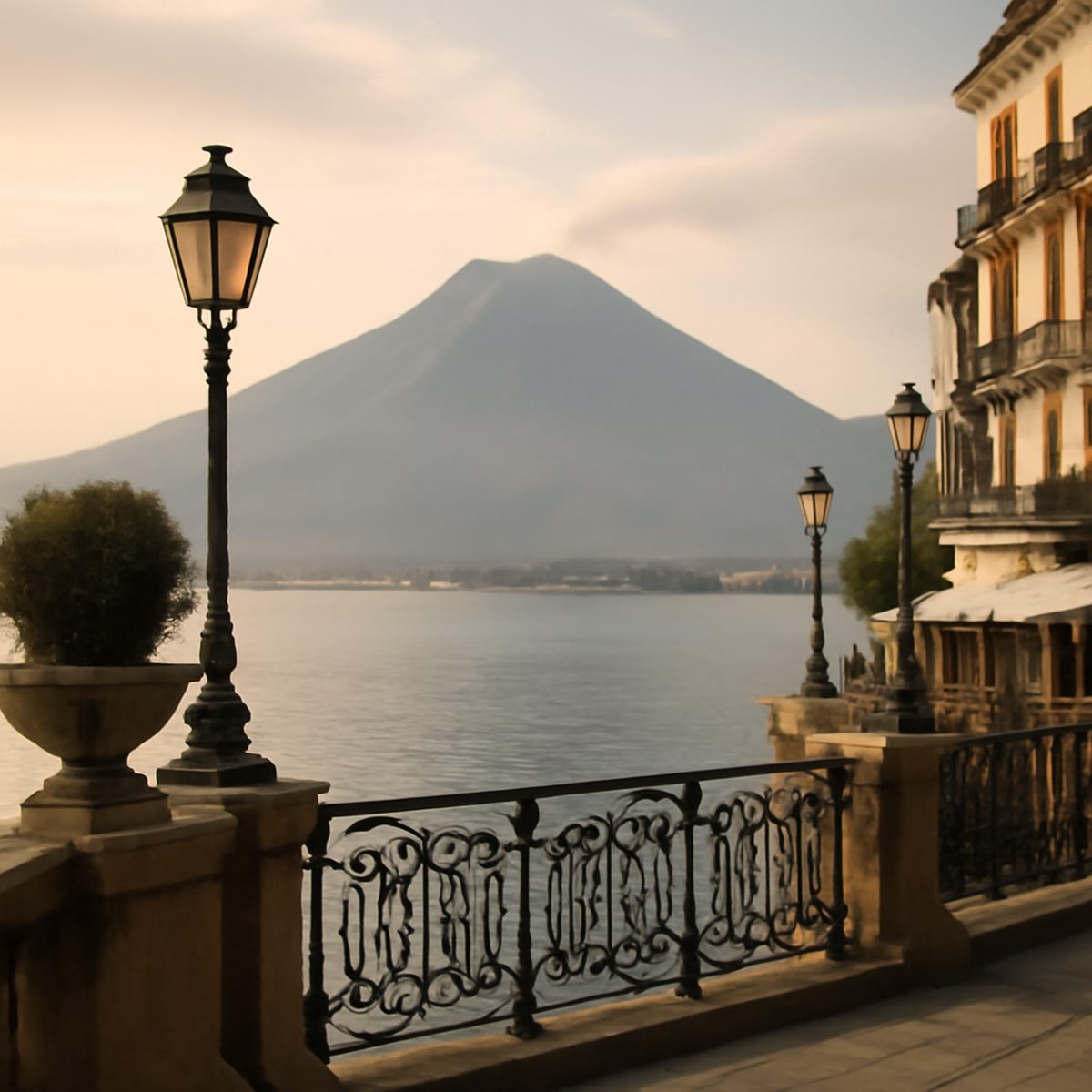
Kagoshima sits at the southern tip of Kyushu with an active volcano smoking gently across the bay, close enough that a fine layer of ash occasionally settles over the city like an unhurried, apologetic snow, a genuinely unusual sight for visitors more used to volcanoes existing at a comfortable, distant remove from daily life rather than as a constant, visible neighbour. It is an odd, striking backdrop for what is otherwise one of Japan’s more relaxed regional cities — a place built around thermal springs, black pork, and a local shochu culture that predates the country’s more famous sake regions by centuries. Two days here move at a genuinely different pace than Tokyo or Osaka, and that is very much the appeal.
Sakurajima, the Volcano Across the Water
Sakurajima is Kagoshima’s defining feature, an active stratovolcano visible from almost anywhere in the city and reachable by a short ferry ride across the bay that runs around the clock, a fifteen-minute crossing that offers some of the best views of the volcano available anywhere in the region. The island itself is worth a half-day, with a scenic loop road offering viewpoints of the crater, a small visitor centre explaining the volcano’s ongoing activity, and a handful of foot baths built specifically to make the most of the geothermal heat rising from beneath the island. Ferries depart frequently enough that no advance planning is really needed — simply walk down to the port and board the next one.
Ibusuki’s Sand Baths, a Short Trip South
An hour south of the city, the coastal town of Ibusuki offers one of Japan’s more unusual onsen experiences: naturally heated volcanic sand baths, where visitors lie fully clothed in a yukata while attendants bury them up to the neck in warm, mineral-rich sand heated by geothermal activity beneath the beach. It sounds stranger than it feels — the weight and heat are genuinely relaxing, and the tradition has been part of local wellness culture for generations rather than a novelty built for visitors. Combined with the region’s wider hot spring culture, it makes for one of the more memorable half-days available on a short Kyushu trip.
- Ferries to Sakurajima run continuously and require no advance booking
- Ibusuki’s sand baths are best visited earlier in the day before local crowds arrive
- Pack a change of clothes if visiting Ibusuki — the sand baths are genuinely warm
Kagoshima’s Black Pork and Local Shochu
Kurobuta, or Kagoshima black pork, is the region’s signature ingredient, prized for its marbling and sweetness and served across the city in everything from tonkatsu to shabu-shabu, and the region’s pig farming tradition stretches back centuries to breeding stock originally introduced from China. It is worth seeking out a specialist restaurant rather than a generic tourist menu, since the difference in quality between an average cut and a properly raised, well-rested one is considerable. Shochu, distilled locally from sweet potato rather than rice, is the region’s other great culinary export, and Kagoshima takes its shochu culture seriously enough that many restaurants stock dozens of local labels, most rarely seen outside Kyushu, each distillery working with its own particular yeast and sweet potato variety to build a distinct house style.
Sengan-en and the City’s Feudal History
Kagoshima’s history as the seat of the powerful Shimazu clan is well preserved at Sengan-en, a landscaped garden estate on the city’s outskirts that uses Sakurajima itself as a kind of borrowed backdrop, incorporating the volcano’s silhouette into the garden’s design rather than obscuring it. The estate includes a restored villa, several small workshops demonstrating traditional Satsuma crafts including glasswork and pottery, and enough grounds to fill a leisurely half-day away from the city centre. It is a useful counterpoint to the more nature-focused parts of a Kagoshima itinerary, offering a clearer sense of the region’s political and cultural history before Japan’s modernisation in the nineteenth century, much of which began in this corner of Kyushu.
Where to Base Yourself
Central Kagoshima, near the waterfront and tram lines, is the most practical base for a two-day visit, putting the ferry terminal, main dining districts and central shopping streets all within easy walking or tram distance. The trams themselves are worth using rather than avoiding — a slow, scenic way to move through the city that also gives a good sense of daily local life outside the main tourist areas.
“People come for the volcano and leave talking about the pork,” one local guide told us over a plate of kurobuta shabu-shabu, glancing out toward Sakurajima across the water. “Both are true reasons to visit. Most visitors only expect one of them.”
Kagoshima Within a Wider Kyushu Trip
Kagoshima works well as the southern anchor of a longer Kyushu itinerary, easily combined with Kumamoto or Fukuoka further north for travellers with more than a long weekend to spend in the region. For a broader look at the island chain Kagoshima belongs to, the islands of southern Japan: Kyushu and beyond is a useful companion piece, and readers planning a longer stop in Fukuoka should read forty-eight hours in Fukuoka alongside this guide. For onsen culture more broadly, a guide to onsen etiquette and culture covers the customs worth knowing before visiting Ibusuki or any of Kyushu’s other hot spring towns, and our wider Travel & Stays section tracks where else in Asia is worth a considered detour.
Kagoshima rewards visitors willing to slow down for two days rather than treat it as a quick stopover on a wider Kyushu circuit. Between the volcano, the sand baths and a genuinely excellent local food and drink culture, it offers a version of regional Japan that feels distinct from the more heavily visited cities further north, and that distinctness is worth building real time into an itinerary for. Even the weather here plays a part in the character of the place — the possibility of a fine dusting of volcanic ash settling over a parked car or a washing line is treated by locals with a shrug rather than alarm, a small, telling sign of how completely the city has made peace with living alongside an active volcano rather than in spite of it.
Marcus writes on travel and hospitality across Asia, and is happiest a long way from a lobby.