The Islands of Southern Japan: Kyushu and Beyond
Kyushu and the island chain south of it offer a warmer, steamier, more volcanic Japan than the country's better-known northern itineraries provide.
 By Marcus Lim
30 August 2026 · 6 min read
By Marcus Lim
30 August 2026 · 6 min read
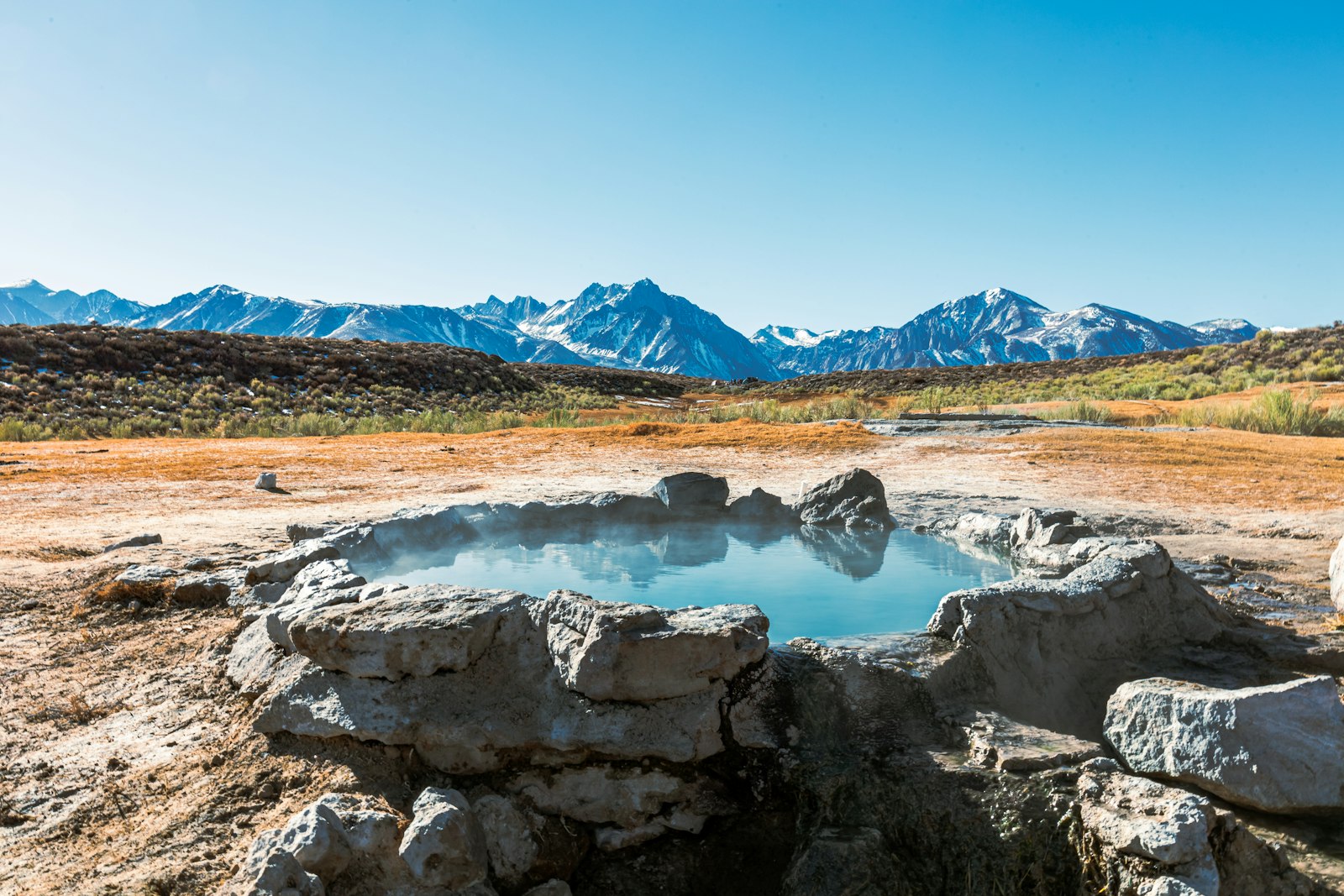
Ask most travellers to name a Japanese island beyond Honshu and they will reach for Hokkaido or Okinawa, leapfrogging entirely over Kyushu — the southernmost of Japan’s four main islands and, for a certain kind of considered traveller, one of its most rewarding. Volcanic, hot-spring-rich and considerably warmer than the country’s northern reaches, Kyushu and the smaller islands scattered further south of it offer an entirely different register of Japan: less about precision and restraint, more about steam, citrus groves and a subtropical looseness that Tokyo rarely allows itself.
Kyushu’s Volcanic Backbone
Kyushu sits atop some of Japan’s most active geology, and it shows everywhere — steam rises from drain covers in the city of Beppu, whole neighbourhoods built around hot springs that bubble up regardless of what stands above them. Mount Aso, one of the largest active calderas on earth, dominates the island’s centre, its grasslands grazed by cattle right up to the crater’s edge on days when the volcano allows visitors that close. The island’s hot-spring culture is, without much argument, the most serious in the country, worth reading against our broader survey of hot springs beyond Japan for context on just how central onsen culture is to daily life here rather than treated as a tourist novelty confined to a single ryokan visit.
Nagasaki’s Layered History
On Kyushu’s western coast, Nagasaki carries a history unlike anywhere else in Japan — a centuries-old trading port that, uniquely, stayed partly open to the outside world even during Japan’s long period of isolation, leaving behind a townscape with genuine Portuguese, Dutch and Chinese influence layered into its architecture and food. The harbour city’s more recent history sits heavily alongside that older cosmopolitanism, and a visit here carries a weight that the rest of Kyushu’s volcanic playfulness does not, worth building into an itinerary as a deliberate change of register rather than skipped for a lighter stop. A single considered afternoon here does more for an itinerary than an entire extra day added elsewhere purely for the sake of it.
South of Kyushu: The Long Chain to Okinawa
Beyond Kyushu’s southern tip, a long, thinly populated chain of subtropical islands stretches most of the way to Taiwan, growing steadily warmer and more languid the further south one travels. Yakushima, closest of the group, holds ancient cedar forests so mist-laden and moss-thick they reportedly inspired the forest scenes in a well-known animated film, and reward several days of unhurried walking rather than a single afternoon’s detour. Further south again, the climate turns properly tropical, coral reefs replace pine forest, and the culture shifts closer to the distinct Ryukyu heritage covered in our piece on the islands of Okinawa and the Ryukyus — a useful companion read for travellers stitching the whole chain into one long, south-running itinerary.
When to Go, and What to Pair It With
Kyushu’s climate makes it a genuinely useful counterpoint to Japan’s more famous ski country further north. Consider the pairing:
- Late autumn in Kyushu for the region’s own quieter foliage, before heading north for early snow
- Winter in Kyushu’s hot springs as a deliberate contrast to a ski trip covered in our guide to the best ski escapes in Japan, steam and snow within a single domestic itinerary
- Spring for the southern islands’ earlier, gentler cherry blossom, which arrives here well before Tokyo’s more famous display
The wider case for Japan’s southern reaches, Kyushu included, is made at greater length in our piece on the islands of Japan beyond Okinawa, which situates this particular chain within the country’s broader — and still underappreciated — island geography.
“People fly straight past us to Okinawa,” one Beppu innkeeper told us, “and miss that we’ve got just as much steam and twice as much history. It is a fair boast, and one borne out the moment a traveller actually makes the detour rather than taking it on faith.”
Getting Around the Chain
Logistics across Kyushu and its southern islands are more straightforward than the region’s relative obscurity suggests. Kyushu itself is well served by high-speed rail connecting its major cities, making a loop through Fukuoka, Beppu, Kumamoto and Kagoshima entirely feasible without a rental car, though a car does open up the more remote volcanic and coastal stretches considerably. The islands further south require short domestic flights or overnight ferries, the latter a genuinely pleasant way to watch the coastline change character as the chain grows steadily more tropical. Travellers building a longer itinerary tend to do best treating Kyushu as a base and the southern islands as a series of extended day trips or short overnight hops, rather than attempting to cover the entire chain in a single rushed pass.
Food Worth Travelling South For
Kyushu’s food culture is distinct enough from the rest of Japan to justify a trip on its own merits. Tonkotsu ramen, now familiar worldwide, originated in the island’s port cities, built on a rich, cloudy pork-bone broth quite different from the clearer styles found further north. Kagoshima, at the island’s southern end, is known for a distinctive black pork raised on the volcanic soil’s sweet potato crop, while the citrus groves scattered across the hillsides supply a sharper, more fragrant version of the yuzu found in restaurants nationwide. It is a cuisine shaped, like everything else here, by volcanic soil and a warmer climate, and it rewards travellers willing to eat their way south rather than simply photograph the scenery.
A Different Japan, Further South
What Kyushu and the islands beyond it offer, ultimately, is a version of Japan unburdened by the country’s more familiar images — no bullet-train precision, no vending-machine ubiquity, just volcanoes, citrus groves, steaming baths and a pace of life that slows noticeably the further from Tokyo one travels. For a country so thoroughly documented elsewhere, that alone makes it worth the extra flight south. Travellers who have already exhausted Tokyo, Kyoto and Hokkaido will find, somewhat unexpectedly, that Japan still has an entirely different personality waiting further south. Further island itineraries and seasonal guides can be found throughout our Travel & Stays section.
Marcus writes on travel and hospitality across Asia, and is happiest a long way from a lobby.