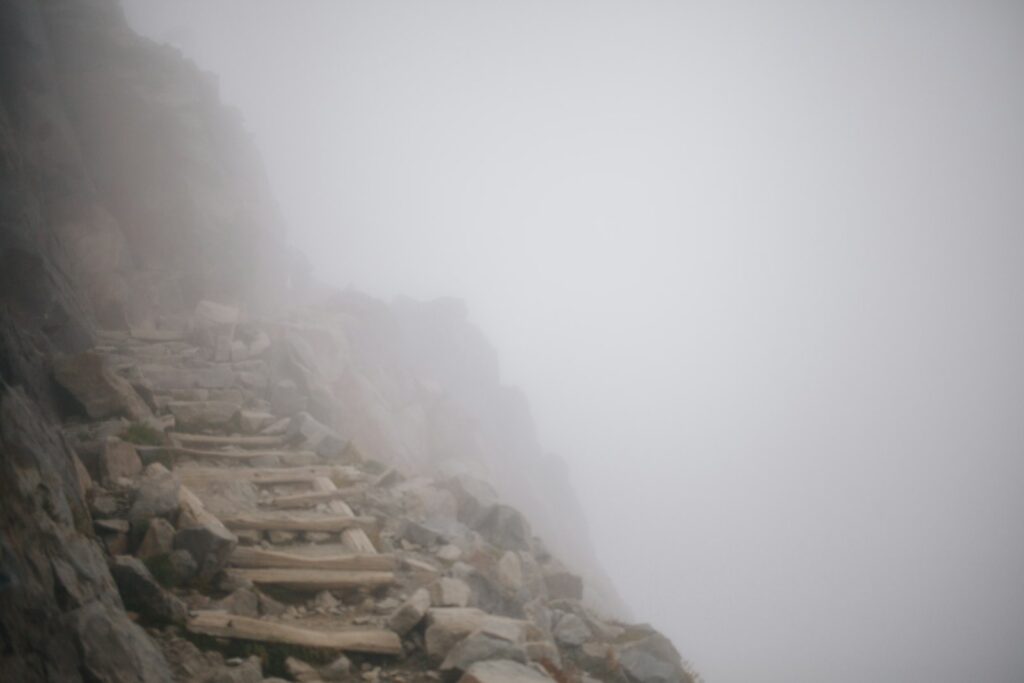
The Best Winter Escapes in China
China's winter spans frozen northern ice festivals and a warm, spring-like southwest, making it one of Asia's most varied cold-season itineraries.
 By Marcus Lim
30 August 2026 · 6 min read
By Marcus Lim
30 August 2026 · 6 min read
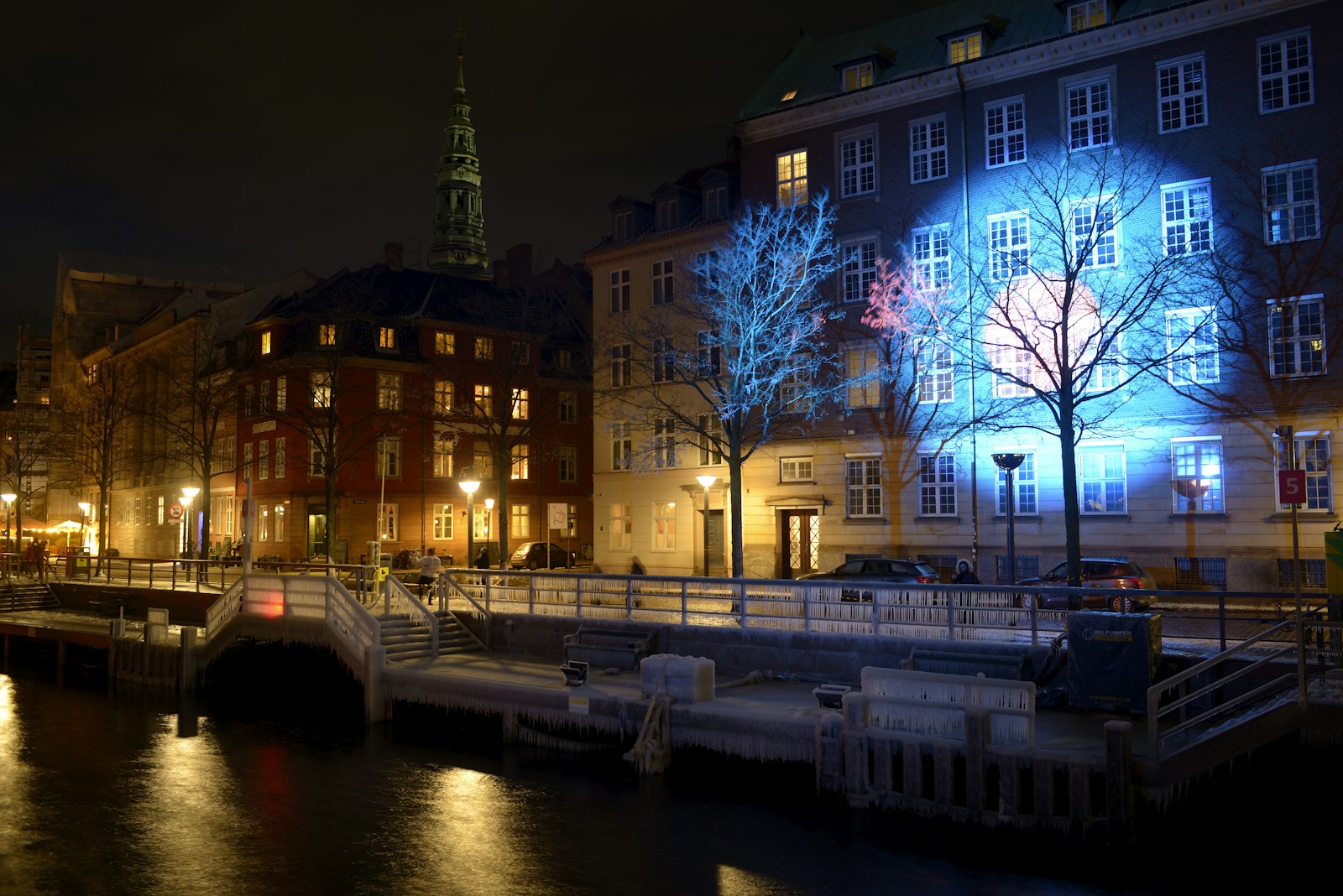
China in winter is a country of two temperaments, and the considered traveller learns to use both. In the north, the cold arrives with real intent — rivers freeze solid enough to carve, breath turns visible by mid-afternoon, and cities that spend the rest of the year in a haze of summer heat take on a crystalline clarity. In the south and west, winter barely announces itself at all, and travellers can trade snow boots for a light jacket within a few hours’ flight. Between these two poles lies one of the more underrated winter itineraries in Asia — a country large enough to offer both extremes on the same trip, without ever feeling like two separate holidays awkwardly stitched together.
Harbin and the Architecture of Ice
No conversation about Chinese winter travel gets far without mentioning the ice festivals of the northeast, where entire building-scale structures — towers, bridges, full-size pavilions — are carved from blocks of river ice and lit from within after dark. The effect at night is somewhere between a fairground and a cathedral: illuminated ice the colour of stained glass, ice slides sending children, and the occasional adult, shrieking into snowbanks, vendors selling skewers of frozen hawthorn that crack like toffee. Days here demand proper cold-weather gear and a healthy respect for wind chill, but the reward is a version of winter spectacle that has no real equivalent further south, and one that pairs naturally with our look at the best winter illuminations in Japan for anyone building a wider cold-season itinerary across the region.
The Warmer Case: Yunnan and the Southwest
Travellers less enthusiastic about sub-zero mornings have an entirely different China available to them in winter. Yunnan, in the country’s mountainous southwest, holds onto a spring-like climate through December and January thanks to its elevation and latitude — old towns of cobbled streets and running water stay comfortable enough for an evening stroll without a coat, while nearby terraced hillsides and pine forests offer walking weather that much of Asia has already lost to humidity by that point in the year. It is, in effect, China’s answer to a shoulder-season hill retreat, and one that rewards comparison with the region’s best winter retreats in the mountains further afield, particularly for travellers who want scenery without genuine cold.
Guilin’s Karst Peaks in Low Mist
Further east, the limestone karst landscape around Guilin and the Li River takes on an almost ink-painting quality in winter, when low mist settles between the peaks in a way that summer’s clearer skies rarely produce. Riverboats run quieter routes at this time of year, and the classic photographs of karst towers rising through cloud — the ones that look faintly implausible in a travel brochure — are, more often than not, taken in the cooler months rather than summer’s brighter, flatter light. Fewer tour groups make the trip in winter, which means the small riverside villages along the route feel considerably less staged than they can during the peak summer season.
Sichuan’s Snow Mountains and Pandas in the Cold
Fewer travellers think to pair Chengdu’s food scene with what lies just beyond it, but the mountains of western Sichuan offer some of China’s most dramatic winter scenery with a fraction of the crowds seen further north. Snow-dusted valleys give way to turquoise lakes that only partially freeze even in the coldest months, their mineral-rich water staying an improbable blue against white banks, while the region’s giant panda reserves are, somewhat counterintuitively, at their most active in cool weather, when the animals spend more time visibly moving about rather than dozing through the summer heat. The drive up from Chengdu takes the best part of a day, but the payoff — genuine alpine scenery inside a country most visitors associate with cities and coastline — is hard to find elsewhere in China.
Cities Worth a Winter Weekend
Beyond the set-piece landscapes, China’s major cities do winter rather well too. A short list worth considering:
- Beijing, where the Forbidden City and its surrounding hutongs feel unexpectedly atmospheric under a light dusting of snow, with far shorter queues than the summer crowds bring
- Xi’an, whose terracotta warriors are seen in relative peace once the coach-tour season thins out
- Chengdu, where a bowl of hotpot at lunchtime becomes considerably more appealing once the temperature drops
Each holds its own alongside the wider run of winter city breaks in Asia, and rewards travellers willing to trade a little cold for empty courtyards and clearer photographs.
Planning Around the Season
The practical case for a Chinese winter trip is straightforward: airfares and hotel rates soften considerably outside the October holiday rush and the Lunar New Year peak, sights that are genuinely crowded in summer become walkable, and the country’s sheer geographic range means a single itinerary can move from ice sculpture to subtropical old town in a matter of days. It rewards the same kind of planning we recommend for the country’s autumn escapes — book the shoulder weeks either side of major domestic holidays, and the crowds largely disappear.
For travellers who have already done China in the heat of summer, winter offers something closer to the country’s true character: quieter, colder in the north, gentler in the south, and considerably more atmospheric throughout.
Food That Makes More Sense in the Cold
There is also a strong culinary case for a Chinese winter trip that summer travel simply cannot make. Hotpot, dumplings steamed in bamboo baskets, slow-simmered noodle soups and the northeast’s hearty stews all read as considerably more appropriate — and taste considerably better — eaten in genuine cold rather than through a haze of summer humidity. Street vendors selling roasted sweet potatoes and skewered lamb take on an entirely different appeal once the temperature drops, and markets that feel merely functional in July become genuinely atmospheric once steam is rising visibly off every stall. It is the kind of detail that rewards travellers willing to build a trip around the season rather than despite it, and belongs on any serious itinerary planned through our Travel & Stays pages, alongside the region’s other great cold-season destinations.
Marcus writes on travel and hospitality across Asia, and is happiest a long way from a lobby.