
The Art of the Wellness Pilgrimage
Not a spa weekend but something more deliberate: a guide to planning a wellness pilgrimage across Asia, and what separates purpose from mere relaxation.
 By Marcus Lim
30 August 2026 · 5 min read
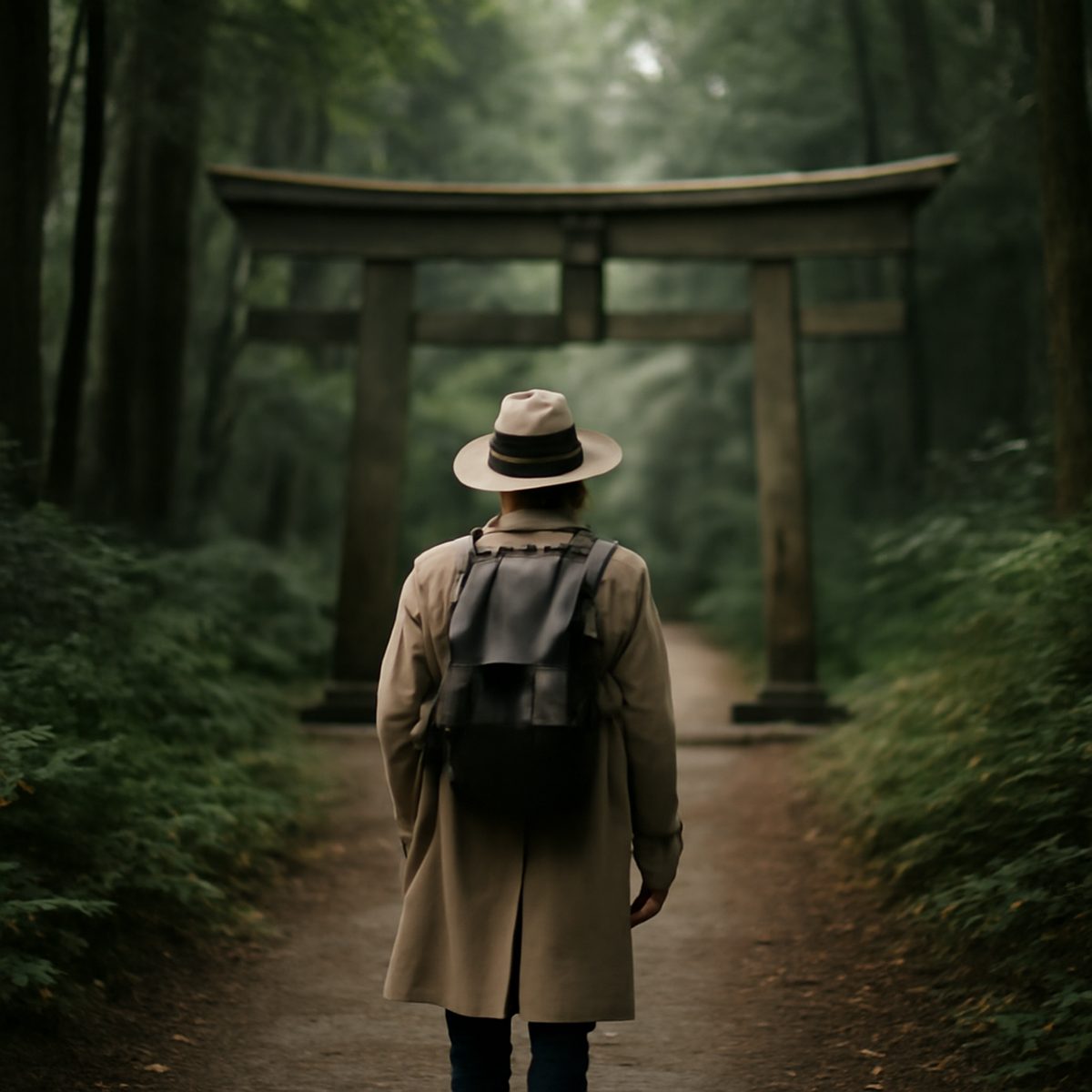
There is a meaningful difference between a wellness holiday and a wellness pilgrimage, though the industry often blurs the two together, using the language of one to sell a rather more conventional version of the other. A holiday restores; a pilgrimage asks something of the traveller in return, some deliberate effort or discomfort woven into the journey itself, which is precisely what gives the destination its meaning once reached. Asia offers no shortage of genuine pilgrimage routes, built over centuries around temples, mountains and spiritual practice, long before the word “wellness” ever attached itself to travel marketing.
What Makes a Journey a Pilgrimage Rather Than a Retreat
The defining feature of a pilgrimage, in the traditional sense, is that the journey itself carries as much significance as the destination — walking rather than driving, arriving gradually rather than all at once, accepting some physical or logistical difficulty as part of the practice rather than something to be engineered away, in direct contrast to the modern travel industry’s usual instinct to smooth over every possible inconvenience. A spa retreat delivers relaxation efficiently; a pilgrimage delivers something slower and less predictable, often more valuable precisely because it cannot be rushed or fully controlled. Choosing a wellness pilgrimage over a conventional retreat means choosing that slower, less certain path deliberately.
Routes Worth Considering
Japan’s Kumano Kodo, a network of ancient pilgrimage trails through the Kii Peninsula’s mountains, remains one of the most accessible entry points for travellers new to this kind of journey, with well-marked paths, traditional lodgings along the route, and genuine spiritual weight built up over more than a thousand years of continuous use, recognised alongside Spain’s Camino de Santiago as one of only two pilgrimage routes granted UNESCO World Heritage status. Shikoku’s eighty-eight temple pilgrimage offers a longer, more demanding alternative for those with more time, historically completed on foot over roughly forty days, though modern travellers increasingly walk it in shorter, staged sections spread across several separate trips. Further afield, Bhutan’s monastery treks and various meditation-focused walking routes across Southeast Asia offer their own distinct versions of the same basic structure: walk with intention, arrive changed.
- Choose a route with genuine historical or spiritual significance rather than a manufactured wellness itinerary
- Build in more time than feels necessary — rushing a pilgrimage undermines its entire point
- Traditional lodgings along established routes are usually more meaningful than luxury properties built nearby
Balancing Comfort and Authenticity
It is entirely possible to undertake a genuine pilgrimage without abandoning comfort altogether, and there is no particular virtue in unnecessary hardship for its own sake. The better approach is choosing comfort thoughtfully — a well-appointed traditional inn along the route rather than a five-star resort built adjacent to but separate from it, and guides who understand the spiritual and historical context rather than simply the logistics. This distinction matters more than it might first appear; a pilgrimage stripped of its context becomes simply a long walk, pleasant but hollow.
What Changes When You Walk
There is a specific, well-documented psychological shift that happens on a multi-day walking journey, distinct from the more immediate relaxation of a spa treatment. The rhythm of walking, sustained over hours and days rather than minutes, tends to loosen rumination and produce a kind of mental clarity that arrives gradually rather than all at once. This is part of why pilgrimage routes across so many cultures and religious traditions independently arrived at walking, rather than any faster mode of travel, as the vehicle for spiritual practice. Modern wellness science has only recently begun to validate what these traditions understood intuitively for centuries: that sustained, rhythmic movement changes the mind in ways that stillness alone often cannot.
Preparing Properly
Physical preparation matters, particularly for longer or more mountainous routes, but the more important preparation is often mental — reading into the history and significance of a chosen route before setting out, so the journey carries meaning rather than functioning as scenery alone. Many experienced pilgrims recommend beginning with a shorter section of a longer trail before committing to a full route, both to test physical readiness and to gauge whether the slower, more deliberate pace genuinely suits the traveller.
“People arrive expecting the mountain to give them clarity,” one guide on the Kumano Kodo told us, pausing at a shrine along the trail. “The walking gives you the clarity. The mountain is just where you happen to be doing it.”
A Related but Distinct Tradition
The wellness pilgrimage sits alongside, but is distinct from, the wider culinary pilgrimage tradition that has become increasingly popular among considered travellers seeking purpose-driven journeys of a different kind. Readers drawn to this style of intentional travel should also read the art of the culinary pilgrimage, and those seeking something quieter and less physically demanding may prefer where to go for a silent retreat or the new wellness retreats worth the detox, both of which explore related but gentler paths toward the same underlying goal. Onsen culture, too, plays a meaningful role along many Japanese pilgrimage routes, and a guide to onsen etiquette and culture is worth reading before setting out on any route that passes through hot spring towns. Our wider Travel & Stays section covers the fuller landscape of considered, purpose-driven travel across Asia.
A wellness pilgrimage asks more of a traveller than a conventional retreat, and that is exactly its value. Choosing to walk rather than be driven, to arrive slowly rather than instantly, and to accept some genuine effort along the way produces a kind of restoration that a spa treatment, however excellent, simply cannot replicate on its own. For travellers who have exhausted what conventional luxury travel has to offer, and who find themselves searching for something with more genuine weight behind it, a pilgrimage route across Asia’s older spiritual landscapes remains one of the more honest and rewarding answers available, asking little beyond a willingness to walk, and returning far more than most journeys of comparable length ever manage.
Marcus writes on travel and hospitality across Asia, and is happiest a long way from a lobby.


