Why the Oast House Endures
Built to dry hops and crowned with a white cowl, the oast house is now a coveted conversion. Here is why its round rooms endure so beautifully as homes.
 By Priya Nair
1 September 2026 · 6 min read
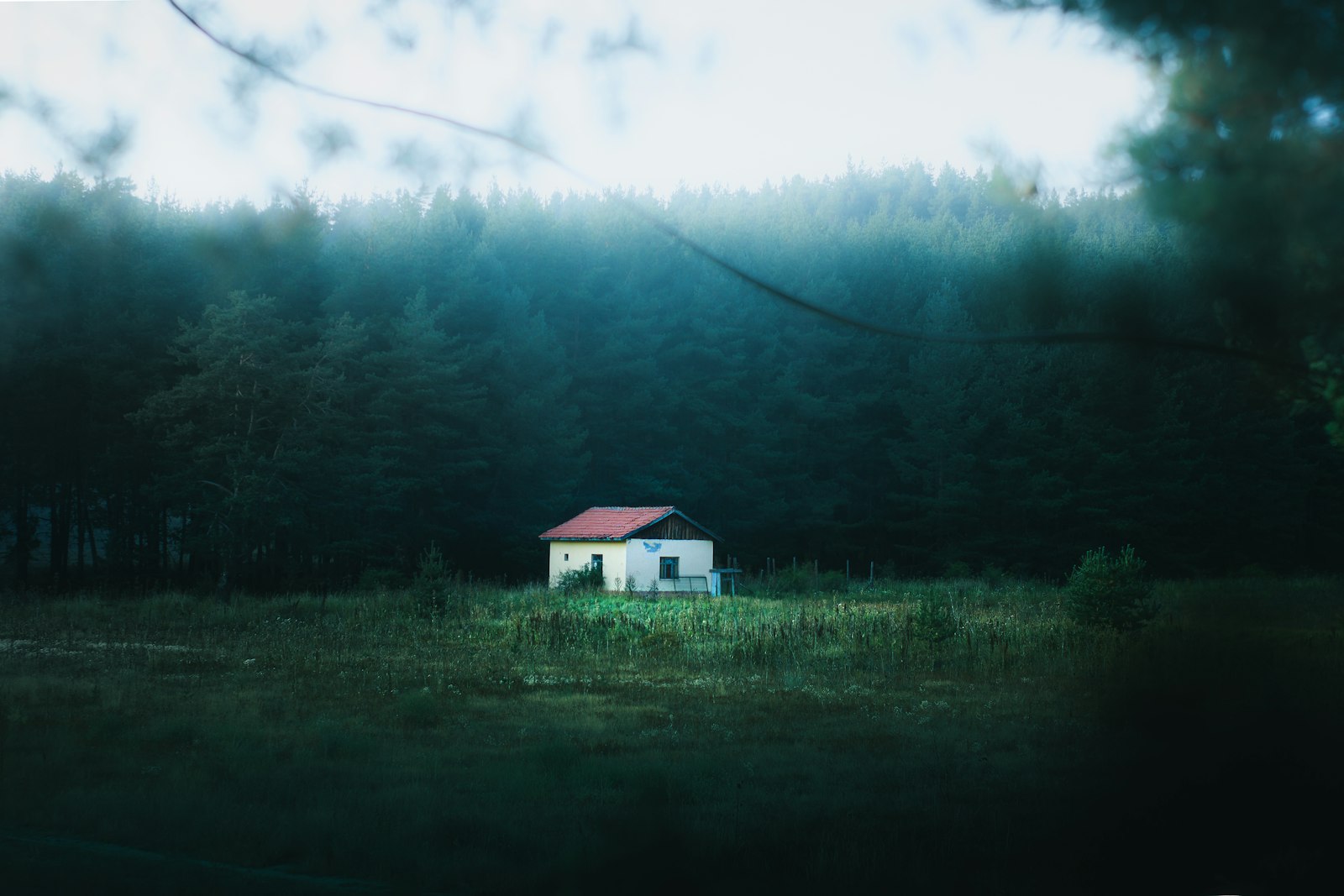
Drive through the hop country of Kent or Sussex and you cannot miss them: tall round or square towers, each capped with a steep conical roof and a jaunty white cowl that turns in the wind. These are oast houses, built not as homes at all but as kilns to dry the hop harvest, and they have become among the most coveted conversions in the country. Their survival — indeed their triumph — as dwellings is a small parable about how good industrial buildings can outlive their industry.
Built for a single, vanished job
The oast house was a machine before it was a picture. Hops picked in the autumn had to be dried quickly before they spoiled, and the oast was the drying engine: a fire or kiln in the base, a slatted drying floor above where the hops were spread, and the tall conical roof drawing the hot air up and out through the cowl. The distinctive round tower — the “roundel” — was not decoration but function, its shape helping the air circulate evenly through the drying hops. Every quirk that now charms us was once a piece of agricultural engineering. Another rural building with its own practical origins is explored in our piece on why the dovecote endures.
When the industry mechanised and consolidated, thousands of these kilns fell idle, and their fate was the same one that overtakes so much redundant rural building — the fate we trace in why the water mill house endures. Like the mill, the oast survived by being too handsome, and too solid, to knock down.
Why the rooms convert so well
The magic of an oast conversion is the roundel. To live inside a circular room, especially one that rises into the cone of the roof, is an experience no ordinary house offers — a space with no corners, curved walls, and often a dramatic full-height void up into the point of the roof. These rooms make superb sitting rooms, studies and principal bedrooms, and they lend even a modest conversion a sense of occasion that a rectangular house has to work hard to earn.
A square room is a container. A roundel is an event, and living in one changes how a whole house feels.
The best conversions resist the urge to over-tame this drama. They keep the exposed roof timbers, celebrate the curve rather than boxing it out, and let the industrial origin show. It is the same conservationist’s instinct that governs a good barn conversion, the one set out in the case for the converted barn stay — honour the building’s first life, and it repays you in character.
The compromises to weigh
A round room is a joy to sit in and a puzzle to furnish. Standard furniture is built for straight walls, so a roundel demands either bespoke, curved pieces or a confident, sparse arrangement that leaves the curve to speak. Wardrobes, bookshelves and kitchens all become harder problems. The towers can also be tricky to heat and to light, since a tall conical void carries warmth away and offers few conventional walls for windows. None of this is disqualifying, but it is worth going in clear-eyed, much as one would with any characterful old-building purchase. For a more conventional old building with its own enduring appeal, see our piece on why the terraced house endures.
The wood-heavy, exposed-structure interiors that suit an oast also invite honest, warming touches at the hearth — the argument we make in the return of the wood-burning stove applies almost perfectly to a roundel with a chimney already in its base.
A shape that reads as home
Part of the oast’s enduring appeal is simply how it looks in the landscape. The cluster of white cowls above the treeline is one of the iconic silhouettes of the English countryside, as legible and as loved as a windmill or a church spire. To own one is to own a small piece of that landscape’s memory, and to live under a roof shaped by a craft that has all but vanished from the fields around it. That rootedness in place is the same quality we prize in a well-judged regional interior, the sort discussed in understanding the coastal interior.
Why the coveting continues
The cowl, and the craft that made it
No feature says “oast” like the cowl, the white-boarded cap that crowns the roundel and turns lazily in the wind. It is a piece of pure function elevated, by time and affection, into an emblem. Its job was to draw the hot, moist air up out of the kiln and away, and to do so whatever the weather, which is why it was hinged to swing with the wind and keep its back to the gusts that would otherwise blow the draught back down. The vane that projects from it is not decoration but the mechanism that keeps it correctly oriented, a self-adjusting chimney that needed no hand to work it.
The craft that built these towers has all but vanished from the countryside that is now dotted with their survivors. The brick roundels were raised by men who understood how to turn a curved wall in courses, the conical roofs framed by carpenters working to a geometry that leaves modern builders scratching their heads, and the whole assembly tuned to the single purpose of drying a crop that most of the fields around no longer grow. To restore an oast well is therefore an act of conservation as much as of building, requiring specialists who understand the original construction and are willing to work with rather than against it. The owners who take that on are custodians of a vanishing skill, and the reward is a home that carries, in every curved wall and turning cowl, the memory of the craft that made it.
The oast house endures for the oldest reason in architecture: it is a building that does something no other building does. Its round rooms, its dramatic roofs, its unmistakable outline and its deep connection to a particular corner of country give it a character that cannot be reproduced in a new-build, however hard the pastiche tries. That irreplaceable, earned character is exactly what our Homes & Culture pages exist to celebrate, and it is why, generations after the last hops were dried, the sight of a white cowl turning against the sky still sets a certain kind of house-hunter dreaming.
Priya tours the homes most people only glimpse from the road, and asks how they are really lived in.