Why the Terraced House Endures
Dense yet dignified, private yet neighbourly, endlessly adaptable: why the humble terraced house stays one of the most intelligent forms of home ever built.
 By Priya Nair
1 September 2026 · 6 min read
By Priya Nair
1 September 2026 · 6 min read
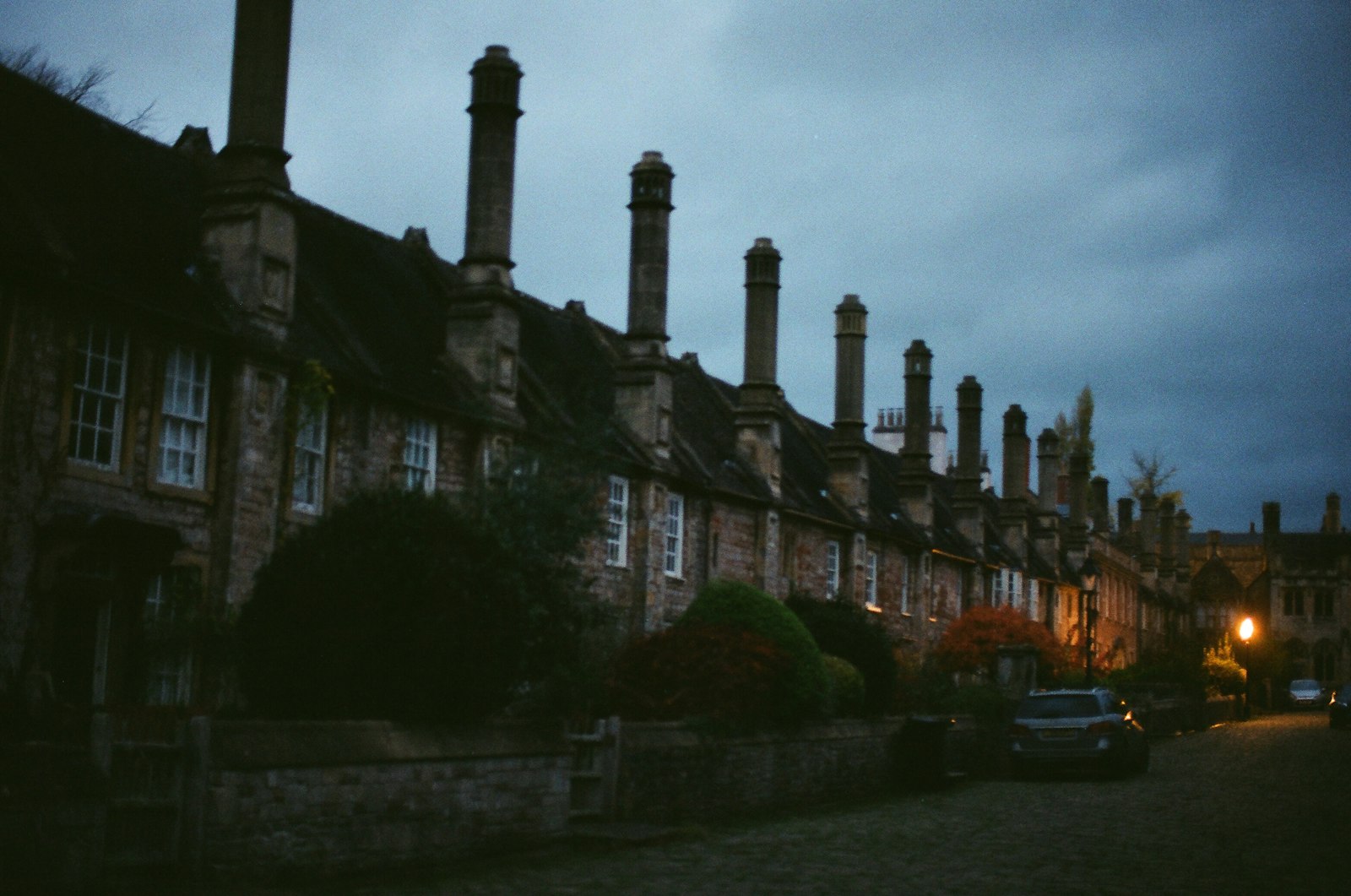
The terraced house is so ordinary that we rarely stop to admire it, which is a mistake, because it is one of the most quietly intelligent forms of housing ever devised. A row of near-identical homes sharing walls, presenting a unified face to the street: it sounds like a formula for monotony, and in bad hands it is. Yet the terrace has endured for centuries across continents and cultures, adapting to every change in how we live, and it endures because it solves, elegantly, several problems that we still very much have.
Chief among them is the oldest problem in urbanism: how to house a lot of people well on not very much land. The terrace’s answer, sharing walls to save space and cost while giving each household its own front door, its own patch of sky and, usually, its own scrap of garden, remains close to unbeatable. It achieves density without the alienation of the tower and individuality without the sprawl of the detached house, and that balance is why it keeps coming back.
Density with dignity
The genius of the terrace is that it makes high density feel civilised. Each house has its own threshold, its own address, its own relationship to the street, so that residents feel like householders rather than units stacked in a block. You come home to your own front door, not a shared lobby, and that small distinction does enormous work for how a place feels to live in.
At the same time the shared walls do quiet, practical good. They are cheaper to build, far more efficient to heat, and they knit the row into a single sheltering mass against the weather. This is density that dignifies rather than diminishes, and it belongs in the same conversation as the other enduring domestic archetypes we have examined, from the bungalow to the courtyard house. Each is a different answer to the same question of how to live well within limits.
Privacy and community, held in balance
The terrace performs a subtle social trick. Because the houses share walls and front directly onto the street, neighbours are close, and a natural, low-level community tends to form, the nodding acquaintance, the borrowed ladder, the eyes on the street that keep it safe. Yet because each house turns its private life inward, to the back garden and the upper floors, that closeness never becomes intrusion. Japanese houses manage that threshold between private and shared in their own way, as the art of the engawa explains.
The terrace gives you neighbours without giving you an audience. The front is communal and the back is yours, and the whole art of the form lies in that division.
This front-public, back-private logic is remarkably robust. It is why terraced streets so often become the most sought-after and long-lived parts of a city, aging into a settled sociability that new developments struggle to manufacture. In the tropical version, the shophouse and its cousins push the same idea further, and the lessons overlap with those the region’s architects draw from the black-and-white house and its handling of privacy in a hot climate.
Endlessly adaptable
Perhaps the terrace’s greatest strength is its flexibility over time. The basic box, a few rooms deep and stacked over two or three floors, turns out to be extraordinarily accommodating. It has been a weaver’s cottage and a merchant’s townhouse, a boarding house carved into flats and a single family home knocked back together, a shop below with living above. The form absorbs all of this without losing its essential character.
That adaptability continues today. The terrace takes a rear extension gracefully, opens up internally to the loose-fit, light-filled living most of us now want, and converts its loft into another floor. A form designed two centuries ago for a completely different life bends, again and again, to fit ours, and the results can be spectacular when the reworking respects the old bones, much as a fine shophouse renovation preserves the shell while transforming the interior.
The tropical terrace
In Singapore and across South-East Asia the terrace took its own distinctive form, the shophouse and the terrace house, narrow and deep, drawing air and light through internal courtyards and airwells to survive the heat before air-conditioning. These are terraces adapted to a wholly different climate, and they show just how far the form can travel while keeping its logic intact: shared walls, a narrow street frontage, a private world within.
The best of them are now treasured, restored with care and commanding prices that would astonish their original builders. They endure for the same reasons the terrace endures everywhere, because they house people densely and well, with privacy and dignity and a strong sense of the street. The materials and the climate differ; the intelligence is the same.
The lesson of the row
What the terrace teaches, ultimately, is that good housing is less about the individual building than about the relationship between buildings. A single terraced house is nothing special; a well-made terrace of them is a small masterpiece of urban design, a rhythm of repeated units that adds up to something greater than its parts. The row is the real unit, and the row is where the beauty lives.
There is an environmental argument that has only sharpened the terrace’s case in recent years. A row of houses sharing walls loses far less heat than the same number of detached homes, each exposed to the weather on every side, and it uses land with a frugality that the detached house, marooned in its own plot, can never match. It delivers the density that makes public transport, local shops and walkable streets viable, yet it does so without stacking anyone in a tower or denying them a front door and a patch of garden. As cities wrestle with how to grow without sprawling and how to house more people while using less energy, the terrace turns out to have quietly solved much of the problem two centuries ago. Its virtues, once merely a matter of taste and cost, now read as something closer to common sense.
In an age worrying again about how to house people densely without misery, the terrace has quiet, tested answers, and it is no surprise to see it studied afresh. For more on the homes that last and the ideas behind them, our homes and culture pages keep returning to the forms that have proved themselves over centuries. The terrace is chief among them: ordinary, overlooked, and very hard to improve upon.
Priya tours the homes most people only glimpse from the road, and asks how they are really lived in.