Why Hand-Cut Marquetry Belongs in the Home
Marquetry is drawing in wood: veneers cut and fitted by hand into pattern and picture. Here is why the patient old craft still belongs in a living, modern home.
 By Priya Nair
1 September 2026 · 6 min read
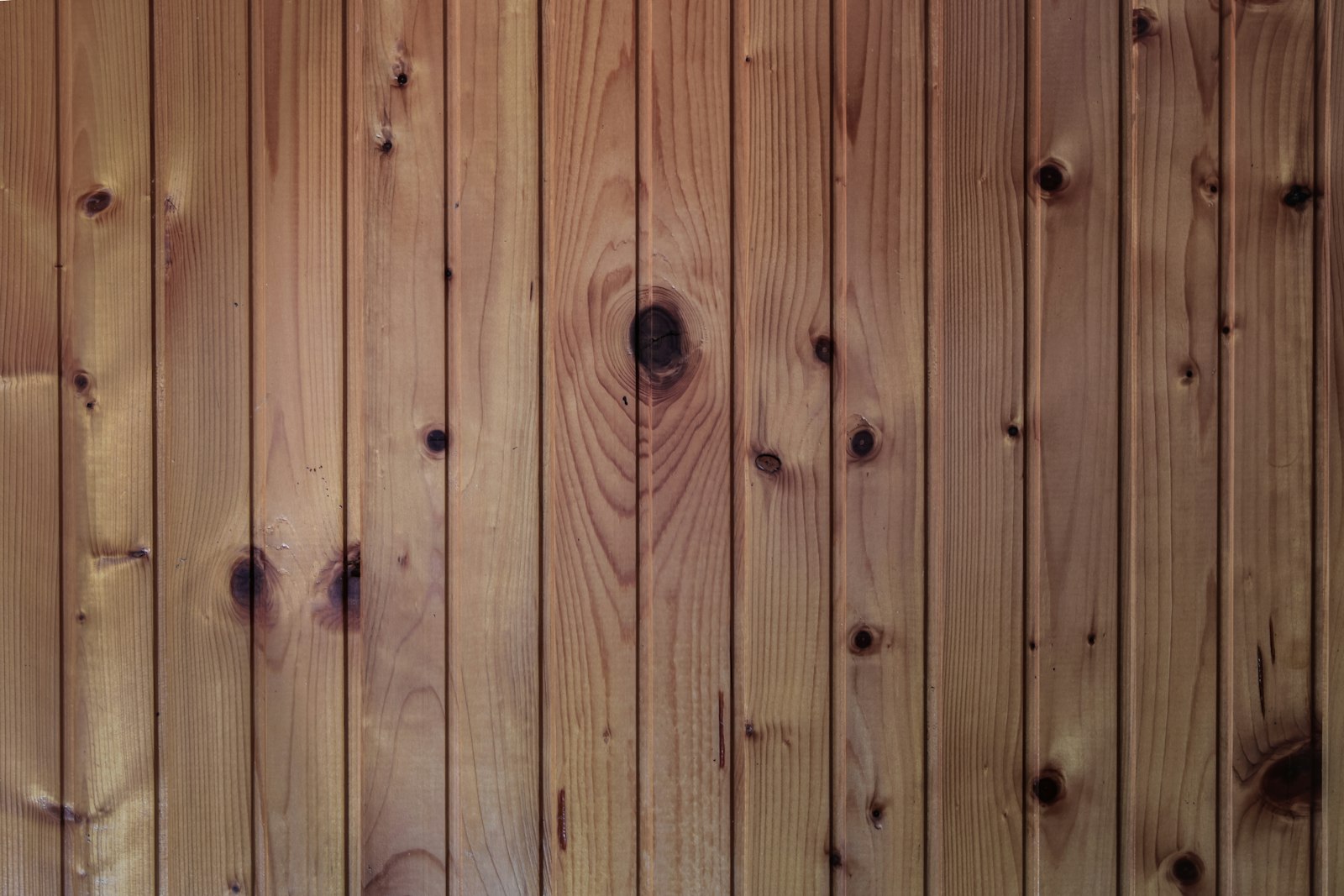
Marquetry is, at its simplest, drawing in wood. Thin veneers of different timbers — some pale as cream, some almost black, some rippled or burred or dyed — are cut to shape and fitted together like the pieces of a flat jigsaw to make a pattern or a picture. Done well it can render a spray of flowers, a ruined temple or a run of pure geometry with a warmth no paint can match. It is one of the great patient crafts, and it belongs in the modern home for reasons that have nothing to do with nostalgia.
What the craft actually is
The romance of marquetry hides a demanding discipline. A maker builds up a “packet” of veneers, transfers a design, and cuts through the whole stack at once with a fine fret saw or, traditionally, a knife and a donkey — the straddled bench that gives the craft its odd vocabulary. The cut pieces are then swapped between packets so that a light flower drops neatly into a dark ground and vice versa, the joints so fine they all but vanish once the panel is laid and polished. There is no room for error and no undo; a slip of the saw is a ruined afternoon.
This is joinery raised to the level of drawing, and it sits naturally alongside the other timber crafts we champion. Anyone moved by the joiners keeping woodwork alive will recognise in marquetry the same reverence for grain, figure and the slow accumulation of skill.
Why it endures
Fashions in decoration come and go, but marquetry survives because it solves a permanent problem: how to bring pattern and picture into a room using nothing but wood, so that the ornament ages exactly as the furniture does. A painted decoration chips and dates; a marquetry panel deepens, the pale woods warming and the whole surface gaining that soft, hand-rubbed glow that only decades of light and wax can give. Textiles carry a similar kind of handmade depth, as our piece on why hand-dyed indigo belongs in the home explains. Metalwork shaped by hand ages with similar grace, as why hand-forged ironmongery belongs in the home explains.
A marquetry panel is a picture that ages at the same rate as the room around it, which is why it never looks like a period costume.
That slow-earned patina is the same quality that draws collectors to good old cabinetwork generally, the appeal laid out in the case for the apothecary cabinet and in the layered, honest-materials argument of the return of the wood panelled study. Marquetry is that appeal concentrated into a single decorated surface.
Living with a piece, not embalming it
The great mistake with marquetry is to treat it as too precious to use. A marquetry-topped side table shoved into a corner and never touched is a sad thing; the same table put to work — holding a lamp, a stack of books, the evening’s glass — is a daily pleasure, and use does it no harm provided a few sensible rules are kept. Wax rather than spray-polish, coasters under anything wet, and above all keep it out of hard direct sun, which bleaches the coloured woods and flattens the very contrasts the maker worked so hard to build.
A single fine piece will do more for a room than a house full of plain furniture. Set it where it can be seen and touched, let it hold real objects, and it becomes part of the life of the home rather than an exhibit in it.
How to buy well
You do not need a grand budget to start. Small marquetry objects — a tea caddy, a games box, a work table — turn up regularly and are often overlooked because a chipped corner or a lifting patch of veneer puts off the timid. Those flaws are usually reversible in the hands of a good restorer and are worth pricing in rather than fearing. Look for crisp cutting, lively contrast between the woods, and a design that still reads clearly rather than one muddied by dirt and old varnish. The same buyer’s instincts that serve well across a guide to collecting mid-century furniture — condition, honesty, quality of making — apply here in full.
A quiet argument for craft
Reading the woods
Part of the pleasure of living with marquetry is learning to read the woods themselves, for the whole palette of the craft is drawn from nature rather than the paint pot. The pale grounds are often sycamore or maple; the warm mid-tones come from walnut, cherry and pear; the darkest passages are ebony or bog oak, black from centuries in the ground. Burr veneers, cut from the knotty growths on a tree’s trunk, give the swirling figure prized for panel centres, while boxwood, holly and dyed woods fill in the brighter accents. A maker chooses each not only for its colour but for the direction of its grain, which catches the light differently as you move around the piece.
This is why a good marquetry panel seems to shift and breathe under changing light in a way no printed decoration can. Turn a table so that a shaft of morning sun rakes across it and the flowers seem to lift from the ground; move to the other side of the room and the same panel settles and darkens. The effect is subtle, alive and entirely a product of using real wood cut with the grain running just so. Once you have trained your eye to notice it, cheaper imitations — the printed “marquetry effect” laminates that mimic the look at a distance — become instantly, disappointingly obvious. There is no substitute for the genuine article, and no shortcut to the quiet depth that only hand-cut veneer and honest timber can give a surface.
To bring marquetry into a home is to make a small, standing argument on behalf of patience and the human hand. In a house otherwise full of machined edges and printed surfaces, a panel where every join was cut by eye carries a charge that no mass-produced decoration can. That is why it belongs — not as an antique curiosity but as a living surface, worked and waxed and used. It is exactly the kind of considered, hand-made presence our Homes & Culture pages exist to champion, and once you have lived with one good piece, a room without any wooden picture in it can start to look a little bare.
Priya tours the homes most people only glimpse from the road, and asks how they are really lived in.