Why Seagrass Flooring Deserves a Second Look
Seagrass flooring is tougher, warmer and more characterful than its reputation suggests. Why this natural woven floor deserves a serious second look at home.
 By Priya Nair
1 September 2026 · 6 min read
By Priya Nair
1 September 2026 · 6 min read
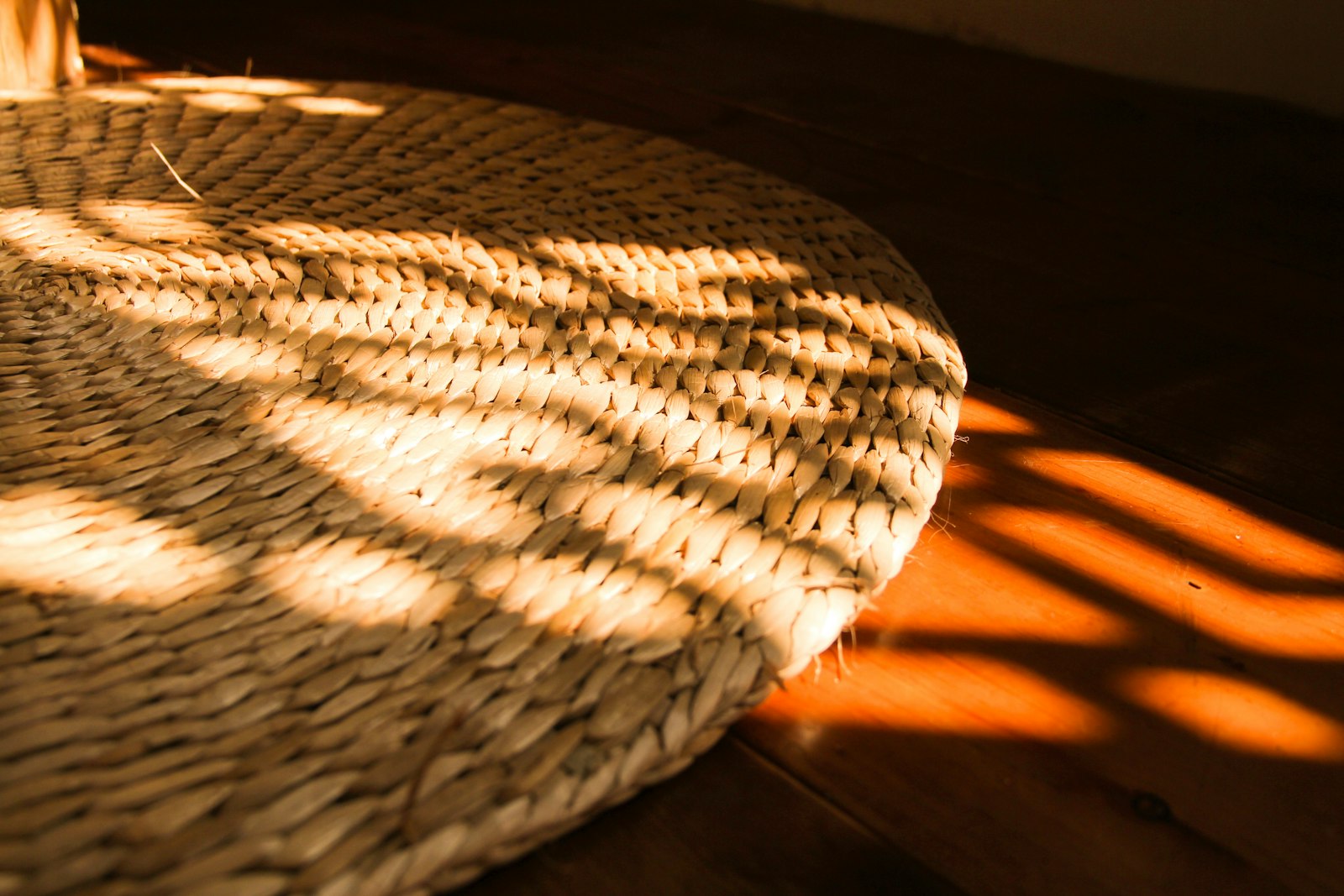
Seagrass has an image problem, and it does not deserve it. Mention natural-fibre flooring and many people picture the scratchy, dated matting of a rented flat, something to be tolerated rather than chosen. That reputation is decades out of date and always was a little unfair. Woven from a grass grown in coastal paddies, seagrass makes a floor covering of real character: tough, warm underfoot, honestly textured and quietly beautiful in the way that only natural materials manage. In a home that values texture and honest material, it deserves a proper second look, and a place in the argument about what a good floor can be.
The case for the natural fibre floor
What all the natural-fibre floors share, seagrass among them, is a quality that manufactured flooring struggles to fake: genuine texture. A woven grass floor has a subtle, tactile surface, a slight irregularity of weave and colour that catches the light and reads, correctly, as a natural thing. It brings warmth to a room in the way that only organic material can, softening the hard lines of a modern interior and grounding a space in something that grew rather than something that was extruded. Timber offers the same grounding quality underfoot, as why wide-plank elm deserves a second look explains.
Seagrass belongs to a family of these floors, each with its own character, and it is worth knowing where it sits among them. It is smoother and less prickly than coir, more subtle than the boldest jute, harder-wearing than most. The whole family shares an ethos of natural, humble, honest material, the same one that runs through why jute rugs deserve a second look. If you are drawn to the warmth and texture of a jute rug, a seagrass floor is the same instinct laid wall to wall.
The practical virtues
Seagrass has one great advantage over its natural rivals that is not obvious until you live with it: it is remarkably tough and surprisingly resistant to stains. The fibre is naturally non-porous, coated in its own hard, slightly waxy surface, which means it repels much of what would soak into a more absorbent material. Spills tend to sit on top rather than sink in, and a quick blot deals with most of them.
This makes it a genuine workhorse, suited to the busy, hard-used parts of a home where a more delicate floor would suffer.
- Durability. The dense weave stands up to heavy traffic, holding its own in halls, stairs and living rooms.
- Stain resistance. That natural waxy coating shrugs off much of what would ruin a wool or jute floor.
- Warmth and texture. Softer and warmer underfoot than any hard floor, with a tactile surface that flatters a room.
- Honest, natural material. A grown, renewable fibre rather than a synthetic, with all the character that implies.
These strengths make it a serious candidate whenever you are weighing up what to lay, and it belongs in any honest comparison of the options; we set out the wider field in the best materials for timeless flooring, and seagrass earns its place there on merit, not nostalgia.
Seagrass is not a compromise floor. It is a natural material with real virtues, chosen for what it does well rather than what it costs.
Where it works, and where it does not
Honesty about a material means being clear about its limits. Seagrass is tough and stain-resistant, but it is not indestructible, and it has quirks worth knowing. Its smooth, waxy surface, so good at repelling spills, also makes it slightly slippery, which argues for caution on stairs. It does not like to be soaked; standing water can mark it and, over time, encourage the weave to rot, so it is not the floor for a bathroom or a wet room. And its natural colour, a soft greenish-fawn that mellows to warm biscuit over time, is a fixed part of the deal; this is not a fibre that takes dye well.
Within those limits, though, it excels. It is superb in living rooms, halls, studies and bedrooms, anywhere you want warmth, texture and toughness without fuss. It suits the relaxed, natural, unpretentious interior particularly well, sitting comfortably in a room of honest materials. It also makes a wonderful base layer for a scheme built on layered texture, over which a good rug can be laid; the interplay of a woven grass floor and a soft wool rug is one of the quiet pleasures of natural decorating, a close cousin of the effect prized over harder surfaces like the oak floorboard.
Living with it well
Seagrass asks for little, but a few habits keep it at its best. Vacuum it regularly to keep grit from working into the weave, blot spills promptly rather than rubbing them in, and keep it out of persistently damp conditions. In very dry indoor air the natural fibre can shrink slightly and in very humid air expand, so a stable environment suits it; this is a material that likes a normal, lived-in home rather than extremes. Fitted well by someone who understands natural floors, and treated sensibly, a seagrass floor will give many years of honest service.
Choose it for the right rooms, respect its dislike of standing water, and it repays the trust. It is exactly the kind of humble, natural, quietly excellent material this magazine keeps championing across our homes and culture coverage, the sort of choice that looks better and feels warmer than its modest price suggests.
The second look rewarded
Seagrass deserves its second look because the first look, for most people, was based on a memory that no longer applies. This is not the scratchy matting of a bad rental but a tough, warm, characterful natural floor with genuine virtues and a modest price. It brings texture and honesty to a room, stands up to hard use, and grounds an interior in something that grew. Give it the rooms it suits and the small care it asks, and it will quietly outperform floors that cost a great deal more. Look again, this time properly, and the reputation falls away.
Priya tours the homes most people only glimpse from the road, and asks how they are really lived in.