Why Autumn Is the Best Time in the Highlands
Autumn is the Scottish Highlands at their best: bracken turning russet, the midges gone, the roads quiet and the inns warm. Why the season rewards travellers.
 By Marcus Lim
1 September 2026 · 6 min read
By Marcus Lim
1 September 2026 · 6 min read
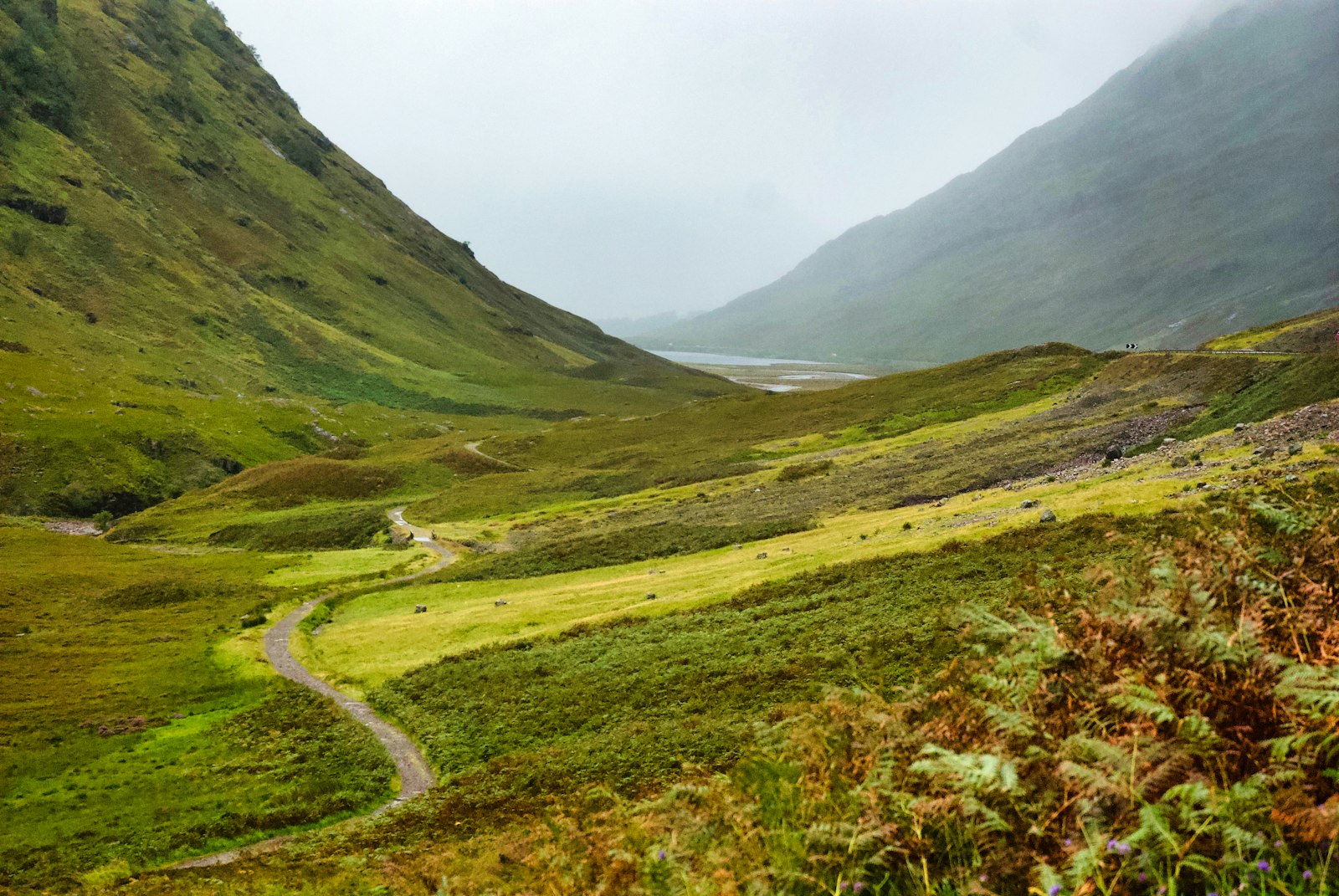
Most people go to the Scottish Highlands in summer, and most people are wrong. Summer brings long daylight and the best chance of warmth, but it also brings the crowds, the full car parks, and, worst of all, the midges, whose clouds can ruin an evening on the shore of a loch. Autumn quietly solves all three. As the season turns, the bracken flames to russet and gold, the biting insects vanish with the first cold nights, the tour coaches thin out, and the great empty landscape returns to something like itself. For the traveller who values atmosphere over sunshine, autumn is the Highlands at their finest. It asks a little more of you in the way of layers and flexibility, and it gives a great deal more back in colour, quiet and a landscape that finally feels like your own.
The landscape turns to fire
The first and best reason to come in autumn is the colour. The Highlands are not densely wooded, but the hills are carpeted in bracken, grasses and heather that turn extraordinary shades as the season advances, deep russet, burnt orange, tawny gold, rolling for miles under a low northern light. Add the turning birches in the glens and the copper of the deer grass, and the whole country takes on a richness that the flat green of summer never approaches. Morning mist rising off the lochs completes the picture.
This low, golden light is what photographers and painters wait for, and it lasts through the shorter days. The season is a natural fit for the kind of unhurried travel the region deserves, and it slots neatly into the wider habit of choosing to travel in shoulder season, when the crowds have gone but the landscape is at its most expressive.
The crowds and the midges are gone
Two of the Highlands’ summer problems simply disappear in autumn. The peak-season crush, on the roads, at the viewpoints, in the few good places to eat, eases dramatically once the school holidays end, leaving the single-track roads and the famous glens far quieter. And the midge, that tiny biting scourge that makes a still summer evening by the water unbearable, dies back with the first proper cold snaps of the season. To sit outside a Highland inn at dusk in late autumn, un-bitten and almost alone, is a pleasure summer rarely allows.
The trade-off is daylight and weather, both of which shorten and roughen as the season goes on. But this is manageable with a little planning, and the reward, having the landscape largely to yourself, is worth the earlier sunsets. The same calculus rewards visitors to the region’s lochs and shores, the loch-side and Highland water retreats that are serene in autumn and busy in July.
Autumn strips the Highlands back to what they are: empty, golden and quiet, with the coaches gone and the midges dead. This is the season the country keeps for itself.
There is a cultural dimension to the season, too, that the summer visitor never sees. Autumn is when the Highlands turn inward and become themselves again, the tourist season over, the communities settling back into their own rhythm. The pubs fill with locals rather than coaches, the ceilidh and the fireside conversation return, and the whole region relaxes into a quieter, more authentic version of itself. This is the season of the stag on the hill and the salmon in the river, of woodsmoke on the evening air and the first snows dusting the highest tops. For a visitor who wants to feel the real texture of Highland life rather than its summer performance, autumn is unmatched. You are more likely to fall into conversation with someone whose family has farmed the glen for generations, and more likely to be treated as a guest than as one more face in the season’s crowd.
The season for coming indoors
Autumn is also when the Highlands’ interior pleasures come into their own. As the days shorten and the weather turns, the fire-lit inn, the whisky by the hearth, and the long, slow dinner become not a consolation for bad weather but the whole point. There is a particular magic to coming in from a cold, bright walk to a room with a fire, and the region’s hospitality is built for exactly this.
The rhythm of an autumn day tends to settle into something like this:
- A late, unhurried start — waiting for the mist to lift off the glen.
- A bracing walk — through russet hills under a low sun, wrapped up warm.
- A long lunch — soup and something hearty at a village inn.
- An afternoon by the water — a loch or a shore, still and empty.
- A fire and a dram — the evening spent indoors, in no hurry at all.
This turn indoors is not a retreat but a pleasure in its own right, and it connects to the broader appeal of the season’s fjord and sea-loch escapes, where the drama of the water is best enjoyed from a warm room with a view.
How to go
The practicalities are simple. Come prepared for weather that changes by the hour, layers, waterproofs, and stout boots, and treat every fine spell as a gift to be seized at once. Book accommodation with a fire and a good kitchen, because you will spend more evenings indoors than in summer. Drive the single-track roads with care and courtesy, using the passing places, and do not try to cover too much ground; the Highlands in autumn reward staying put and going deep far more than racing between sights.
The season the Highlands keep for themselves
There is a sense, travelling the Highlands in autumn, of having been let in on a secret the summer crowds never learn. The country is at its most beautiful, its most atmospheric and its most peaceful precisely when most visitors have gone home. That instinct, to go when a place is at its truest rather than its busiest, runs right through the travel and stays pages. In the Highlands, that moment is autumn, and it belongs to those who know to come for it.
Marcus writes on travel and hospitality across Asia, and is happiest a long way from a lobby.