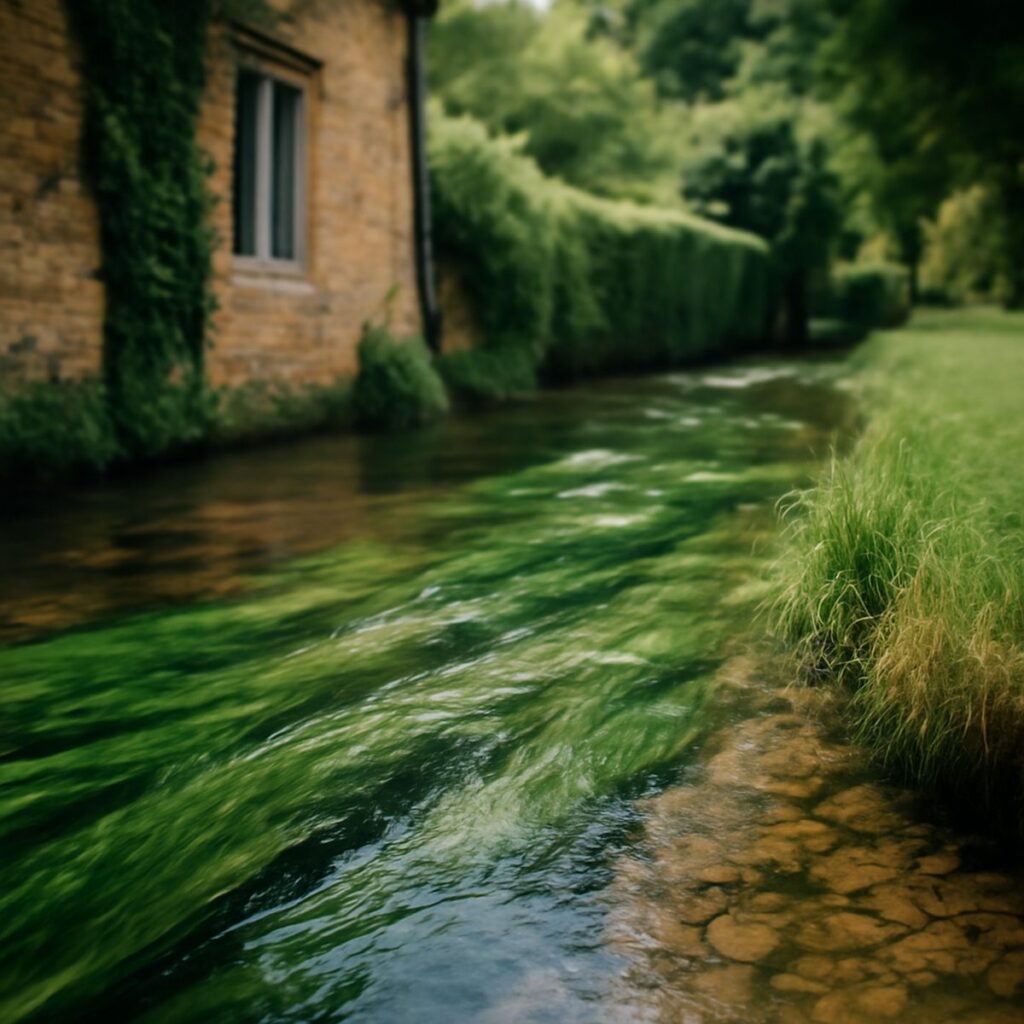
The Best Loch-Side and Highland-Water Retreats
There is a particular stillness to a retreat set beside still highland water. A guide to what separates a genuinely considered loch-side lodge from a view.
 By Marcus Lim
1 September 2026 · 5 min read
By Marcus Lim
1 September 2026 · 5 min read

A mountain retreat and a loch-side retreat are not the same experience, even when the two sit within the same range. Altitude alone gives drama, cold air and long views; the presence of still, dark water beside the lodge changes the atmosphere entirely, adding a kind of quiet that a peak-facing room, however impressive, rarely achieves on its own. The best loch-side and highland-water retreats understand this distinction and build around it deliberately, rather than treating the water as incidental scenery.
This category spans a wide geography — the lochs of the Scottish Highlands, glacial lakes across Northern Europe, and a small but growing number of considered water-adjacent lodges across Asia’s own highland regions. What unites them is not location but a shared design instinct: rooms and communal spaces oriented toward the water’s stillness rather than away from it.
What Separates a Genuine Loch-Side Retreat
The clearest tell is architectural. A lodge built with genuine intention around its water frontage tends to keep sightlines low and uninterrupted — large windows at a height that captures the water’s surface rather than merely a distant view of it, and outdoor spaces, decks or jetties, positioned to bring guests physically closer to the shoreline rather than simply overlooking it from a hillside terrace. Retreats that treat the water as an afterthought tend to reveal this in smaller details: a dining room angled toward a car park rather than the shore, or a spa built with no connection to the water at all despite the setting.
What to Look For
- Low-lying rooms with direct water access, rather than only elevated rooms with a distant vista.
- Still-water activities — quiet rowing, wild swimming, early-morning kayaking — genuinely offered rather than listed as a token amenity.
- A spa or bathing programme that draws on the setting, whether through cold-water immersion rituals or simply thoughtfully positioned outdoor bathing.
- Restrained lighting after dark, since a loch’s particular value at night is its darkness and reflection, easily ruined by over-lit paths and buildings.
The Seasonal Character
Highland water settings change dramatically with the season in a way that alters the entire character of a stay. Summer brings long, pale evenings and genuinely swimmable water in the milder examples of this category; autumn brings mist that sits on the surface at dawn and lifts slowly through the morning; winter, in the colder examples, can bring still water rimmed with ice and a starkness that some guests find more compelling than any warmer season. A considered retreat programmes its offering around this seasonal shift rather than running an identical experience year-round.
“Guests think they’re booking mountain views, and then they spend most of their stay just sitting by the water not talking. That stillness is really the whole point,” notes the manager of a composite highland lodge built along a Scottish loch shoreline.
Where This Category Sits Regionally
Within Asia specifically, the category remains smaller and more scattered than in Scotland or Scandinavia, but a handful of considered properties have begun applying the same design philosophy to highland lakes and reservoirs across the region. These sit naturally alongside the broader mountain lodge retreats already well established, and for travellers drawn specifically to the water-and-mist combination, fjord and sea-loch escapes extend the same principle to a coastal rather than purely inland setting. The category also connects naturally to the wider heath and highland moor retreats for travellers seeking a fuller sense of the surrounding landscape beyond the water itself.
Food and the Rhythm of a Stay
Dining at a genuinely considered loch-side retreat tends to follow the same unhurried logic as the setting itself — kitchens leaning on foraged and locally sourced ingredients, game in the colder months, and a pace of service that does not rush guests back out into the evening. This is not a coincidence; a property that has thought carefully about its relationship to the water almost always extends that same attentiveness to how and when meals are served, often timing dinner service around the last usable light over the loch rather than a fixed house hour. Breakfast, similarly, is frequently served later than a standard hotel schedule, an acknowledgment that the appeal of this kind of retreat lies precisely in not needing to be anywhere in particular.
Transport and access are worth factoring into any booking as well, since many of the best examples in this category are deliberately remote, reachable only by a longer drive or, in some cases, a short boat transfer across the loch itself. That inconvenience is, in a sense, part of the filtering mechanism that keeps these properties quiet — a genuinely committed traveller will make the journey, while the retreat itself remains insulated from the kind of casual foot traffic that erodes the atmosphere of a more accessible mountain lodge.
Booking Considerations Worth Weighing
Because the category skews toward smaller, more intimate properties, availability tends to be genuinely limited rather than artificially scarce for marketing purposes, and the best rooms — those with direct water frontage rather than a partial or obstructed view — book out considerably further in advance than the property’s headline capacity might suggest. Travellers with flexibility on dates are generally better served asking directly about room orientation rather than relying solely on category names in a booking system, since “lakeside” and “lake view” can, in practice, describe very different proximities to the actual shoreline.
The Considered Verdict
A genuinely well-designed loch-side retreat offers something a standard mountain lodge cannot fully replicate: a particular, water-borne stillness that rewards slow mornings and quiet evenings far more than it rewards a packed activity schedule. Choosing well means looking past the marketing photography of a distant mountain backdrop and asking instead how closely, and how thoughtfully, a property actually engages with the water at its centre. For more of the world’s most considered highland stays, the Travel & Stays section keeps tracking where that stillness is genuinely built into the design, alongside the region’s summer escapes in the highlands for the warmer season equivalent.
Marcus writes on travel and hospitality across Asia, and is happiest a long way from a lobby.