The Best Fjord and Sea-Loch Escapes
A fjord asks something different of a traveller than a beach does — stillness, patience, and a taste for landscape carved rather than simply pretty.
 By Marcus Lim
31 August 2026 · 6 min read
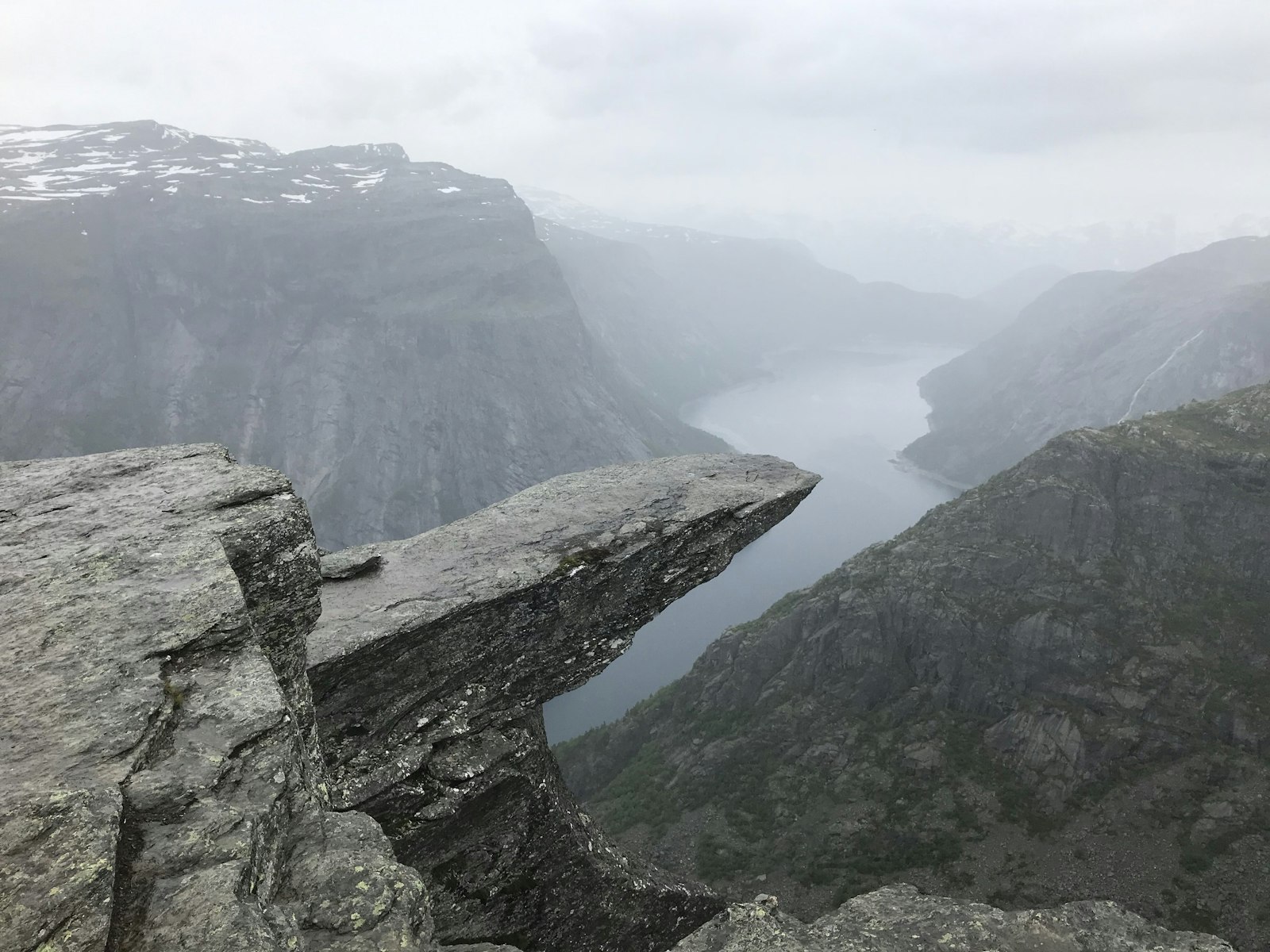
A fjord is not a beach, and it rewards a different kind of traveller. Where a coastline invites lounging, a fjord asks for attention — steep walls rising directly from still, often startlingly dark water, carved by ice over a timescale that makes most human history feel recent. The best fjord and sea-loch escapes trade the horizontal sprawl of a beach holiday for something more vertical and considerably quieter, and the growing number of travellers seeking them out suggests an appetite, finally, for landscape that does not simply photograph well but genuinely unsettles the scale of things.
What makes a fjord different to a coastline
The defining feature of true fjord geography is depth carved by glacial action rather than shaped by tidal erosion, which produces walls that rise almost sheer from water that can run hundreds of metres deep within a few boat-lengths of shore. This geology creates a particular kind of stillness — fjords are typically far more sheltered than open coastline, meaning the water itself often sits glass-flat even when weather further out is considerably rougher. It is this combination of scale and stillness that draws travellers who have exhausted the more conventional appeal of the best coastal cliff landscapes to explore and are looking for something with a slower, more contemplative register.
New Zealand’s southern sounds
The best-known fjord and sound landscapes accessible to travellers from this region sit in New Zealand’s deep south, where a series of carved inlets meet dense temperate rainforest in a combination found in remarkably few other places on earth. A slow tour through the region — genuinely slow, since the point is entirely undermined by rushing — pairs naturally with the wider case for New Zealand’s South Island, slowly, treating the fjords as one stop within a deliberately unhurried itinerary rather than a single day trip squeezed between other commitments. Waterfalls here run in the hundreds after rain, tumbling directly from cliff top to fjord water in a way that a single photograph rarely does justice.
What to look for in a good fjord itinerary
- At least one overnight stay on the water itself, whether aboard a small vessel or in a lodge built directly on the shoreline
- Early morning departures, when fjords are most reliably calm and mist often still sits on the water
- A guide or operator with genuine knowledge of the local ecology, since fjords support distinct and often quite fragile marine environments
- Built-in weather flexibility, since these landscapes are, almost by definition, in regions with changeable conditions
Scandinavian sea lochs and their Asian counterparts
While the classic fjord landscape belongs to Scandinavia and its dramatic winter light, a smaller but genuinely rewarding category of sea-loch style coastline exists closer to home across parts of maritime Southeast Asia and Northeast Asia, where similarly steep, sheltered inlets offer a comparable stillness without the same distance to travel. These are typically less dramatic in vertical scale than a true glacial fjord but share the essential character — calm, enclosed water framed by steep terrain, best explored slowly by small boat rather than covered at speed. Travellers drawn to this pairing of landscape and unhurried pace often find a natural complement in the best Scandinavian and Nordic bistros, extending the theme from landscape into a considered evening at the table.
“You don’t talk much on a fjord in the morning. Everyone on the boat just goes quiet after a while — it’s not something you get used to,” said one skipper who has run small tours through a southern fjord system for over a decade, speaking on background per the operator’s standard policy.
Planning a fjord-led trip
Fjord and sea-loch travel rewards a slower overall pace than most itineraries — these are not landscapes suited to a single afternoon stop between other commitments. Building at least two full days around any major fjord system allows for the inevitable weather variability and gives enough time for at least one truly still, calm morning on the water, which is, more often than not, what travellers remember longest. Accommodation directly on the water is worth the modest premium over an inland base, since much of the appeal lies in waking to the fjord itself rather than driving to reach it each morning. Our wider Travel & Stays archive holds further detail on pairing this kind of landscape-led trip with island stays such as the quiet islands of Asia’s design hotels for a broader, more varied itinerary.
What to pack, and what to leave behind
Fjord travel rewards a slightly different packing approach than a conventional coastal holiday, given the combination of exposed water crossings, variable weather, and the genuinely cool temperatures that can persist even in the local summer season within a sheltered inlet. Layered clothing, a genuinely waterproof outer shell, and sturdy footwear suited to uneven, often wet terrain around most fjord-side walking trails matter considerably more here than the swimwear and sandals a beach trip would call for. Binoculars are worth including too, since fjord wildlife — seabirds, seals, and in the right regions dolphins or whales — tends to be spotted at a distance across open water rather than up close. Travellers who pack for a beach holiday and arrive to find themselves on a small boat in a cool, misty inlet are, by most guide accounts, the most common source of an otherwise avoidable disappointment on this kind of trip.
The value of a genuinely local guide
A fjord’s true character rarely reveals itself on a fixed, timetabled tour, and travellers willing to invest in a small, independent operator over a larger commercial excursion consistently report a more rewarding visit. Local skippers and guides carry knowledge of specific microclimates, seasonal wildlife patterns, and quieter side-inlets that larger operators, bound to a fixed schedule serving many guests at once, simply cannot accommodate. This is a category where a smaller group, or even a private charter for a morning, pays real dividends in the quality of the experience, allowing a guide to adjust the day’s plan around that morning’s specific conditions rather than sticking rigidly to a predetermined route regardless of what the weather and wildlife are actually doing. It is worth budgeting for this kind of more considered, flexible arrangement rather than defaulting to the largest, most heavily marketed tour available.
Fjords ask patience of a traveller in a way few other landscapes do, offering little of the immediate, obvious pleasure of a warm beach in exchange for something considerably stranger and, for the right temperament, more lasting. It is not a trip for everyone. For those it suits, though, very little else in travel matches the particular quiet of a still fjord at first light.
Marcus writes on travel and hospitality across Asia, and is happiest a long way from a lobby.