Understanding the Appeal of the Funicular Town
Where the street gives way to a cable and counterweight, a certain kind of town begins. Why the funicular town rewards the traveller who climbs it slowly.
 By Marcus Lim
1 September 2026 · 5 min read
By Marcus Lim
1 September 2026 · 5 min read
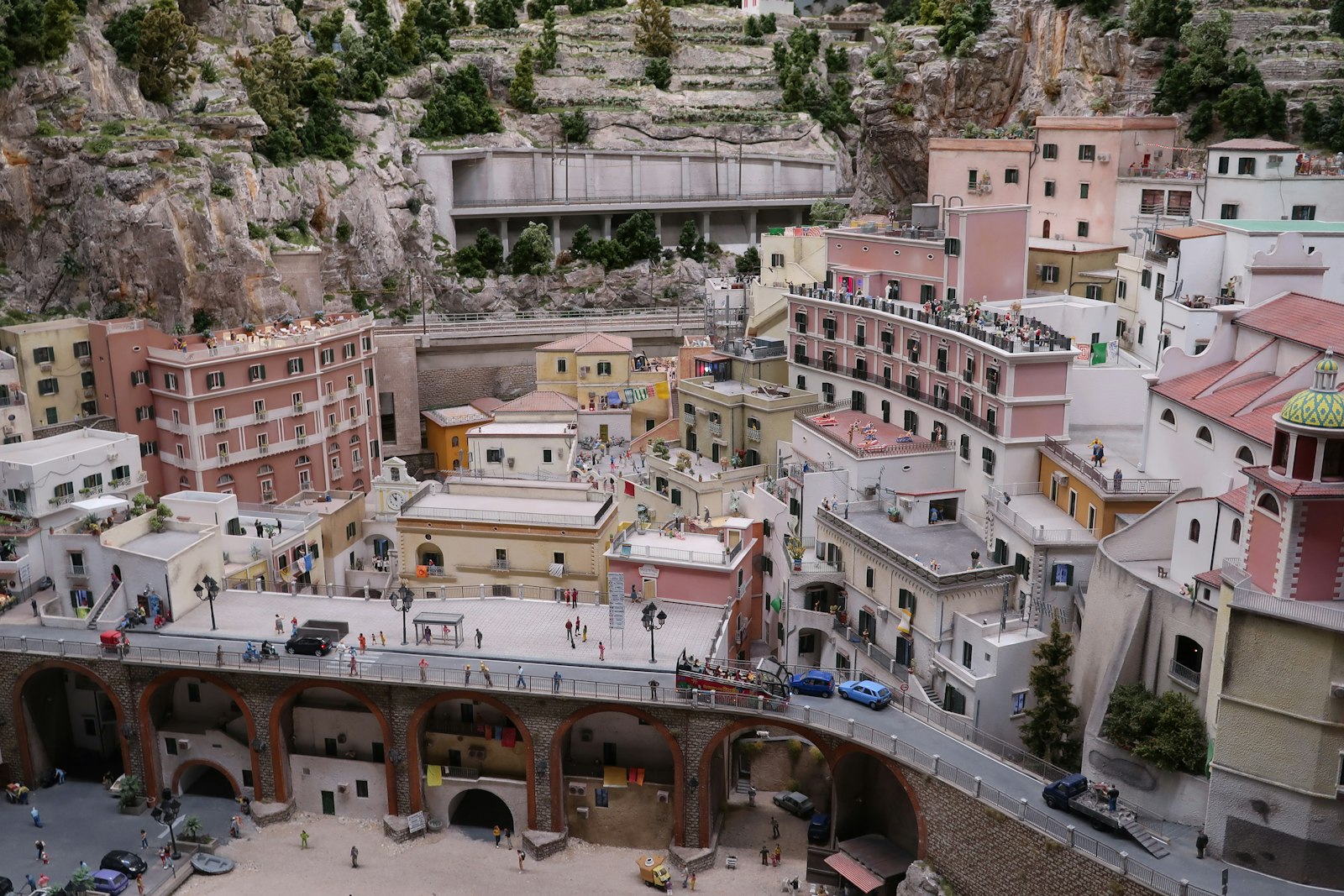
There is a moment, common to a certain kind of town, when the road simply gives up. The hill grows too steep, the streets too tight, and the ordinary business of getting about hands itself over to a cable and a counterweight. The funicular takes over where the car cannot follow, and in doing so it defines a whole category of place: the funicular town, where the slow, mechanical climb is not a nuisance to be endured but the very thing that gives the town its character.
Funiculars exist because geography demanded them. Where a settlement clings to a hillside or crowns a bluff, a funicular offered a way up that was gentle on both passengers and terrain, hauling a car up the slope on rails by means of a descending counterweight. Many were built more than a century ago, and the best of them still run, little changed, part transport and part time machine.
The pleasure of the slow ascent
The heart of the funicular town’s appeal is the ascent itself. Unlike a lift, which hides the climb, or a road, which rushes it, the funicular makes the journey visible and deliberate. You watch the town drop away below, the rooftops tilting, the view widening with every metre gained, arriving not just at a higher place but at a changed perspective. The climb is slow enough to savour and short enough never to tire.
This is a pleasure the unhurried traveller understands instinctively. It belongs to the same family of experiences as the appeal of the cable car village, where the aerial crossing transforms an arrival, and it shares the deeper logic of the appeal of the sleeper train: that a slower means of travel is not a compromise but an enhancement, turning transit into an event worth having.
What the funicular does to a town
A funicular shapes the place it serves. Because cars cannot easily reach the upper town, the streets above stay quieter, narrower and more human, free of the traffic that flattens the character of so many hillside settlements. The result is often a two-tier town: a busier lower quarter where the modern world arrives, and a hushed upper town, reached by cable, where the old life continues at its own pace.
This division is a gift to the traveller. The upper town, protected by its own steepness, tends to preserve what the lower town has lost, the small squares, the local shops, the sense of a community going about its business. To ascend is quite literally to leave the traffic behind, and the difference in atmosphere between the two levels is often startling.
A funicular does not merely carry you up a hill. It carries you out of one register and into another, from the town of cars to the town of footsteps.
Where to find them
Funicular towns are scattered across the hillier corners of Europe and beyond, wherever geography forced the issue. They cling to the bluffs above rivers, crown the ridges over harbours, and climb the slopes behind old spa quarters. Some funiculars run to a single grand hotel or belvedere; others are woven into daily life, as ordinary to residents as a bus. The finest examples combine a beautiful old car, a dramatic gradient and a view that makes the whole short journey feel like an occasion.
Croatia’s Adriatic towns offer some memorable examples, and the walled hill settlements there reward exactly this kind of slow ascent; the traveller who has enjoyed a slow weekend in Split will recognise the pleasure of a town built for the climb. Italy, too, is rich in them, its hillside towns and coastal bluffs laced with cables, a natural extension of the terraced landscapes that make the quiet coast of the Amalfi hinterland so rewarding to explore on foot and by rail.
Travelling the funicular town well
To enjoy a funicular town properly, resist the urge to treat the funicular as a mere shortcut. Ride it slowly and often, at different times of day, watching how the light and the crowds change the view. Stay in the upper town if you can, so that your mornings and evenings belong to the quiet quarter above rather than the busy one below. And walk down at least once, on the old stepped paths the funicular replaced, to feel the gradient the machine so gently spares you.
Machines worth preserving
Part of the charm lies in the funiculars themselves, which are often small marvels of Victorian and Edwardian engineering still doing exactly the job they were built for. The older systems worked by water balance, filling a tank beneath the descending car until its weight hauled the ascending one up the slope, a mechanism of beautiful simplicity that required no engine at all. Many have since been electrified, but a good number retain their original cars, all polished wood and brass fittings, trundling up and down as they have for well over a century. To ride in one is to travel not only up a hill but back through the history of how people first learned to conquer their steepest streets. These machines are increasingly cherished, restored and protected as heritage in their own right, and a town that has kept its funicular running has kept a working piece of its own past, which is no small thing in an age that scraps the old so readily.
The deeper appeal of the funicular town is what it represents: a place where the landscape set the terms, and the town adapted rather than bulldozing its way to convenience. In an age that flattens hills and tunnels through inconvenience, there is something quietly moving about a town that still hauls itself up a slope by cable and counterweight, exactly as it has for a hundred years. Come for the view; stay for the register the climb creates. For more journeys where the getting there is half the pleasure, the Travel & Stays section is full of them.
Marcus writes on travel and hospitality across Asia, and is happiest a long way from a lobby.