The Best Overnight Sleeper Trains in Asia
Asia's overnight trains still deliver a slower, more textured way to cross a country than flying ever could. A guide to the routes worth booking properly.
 By Marcus Lim
30 August 2026 · 6 min read
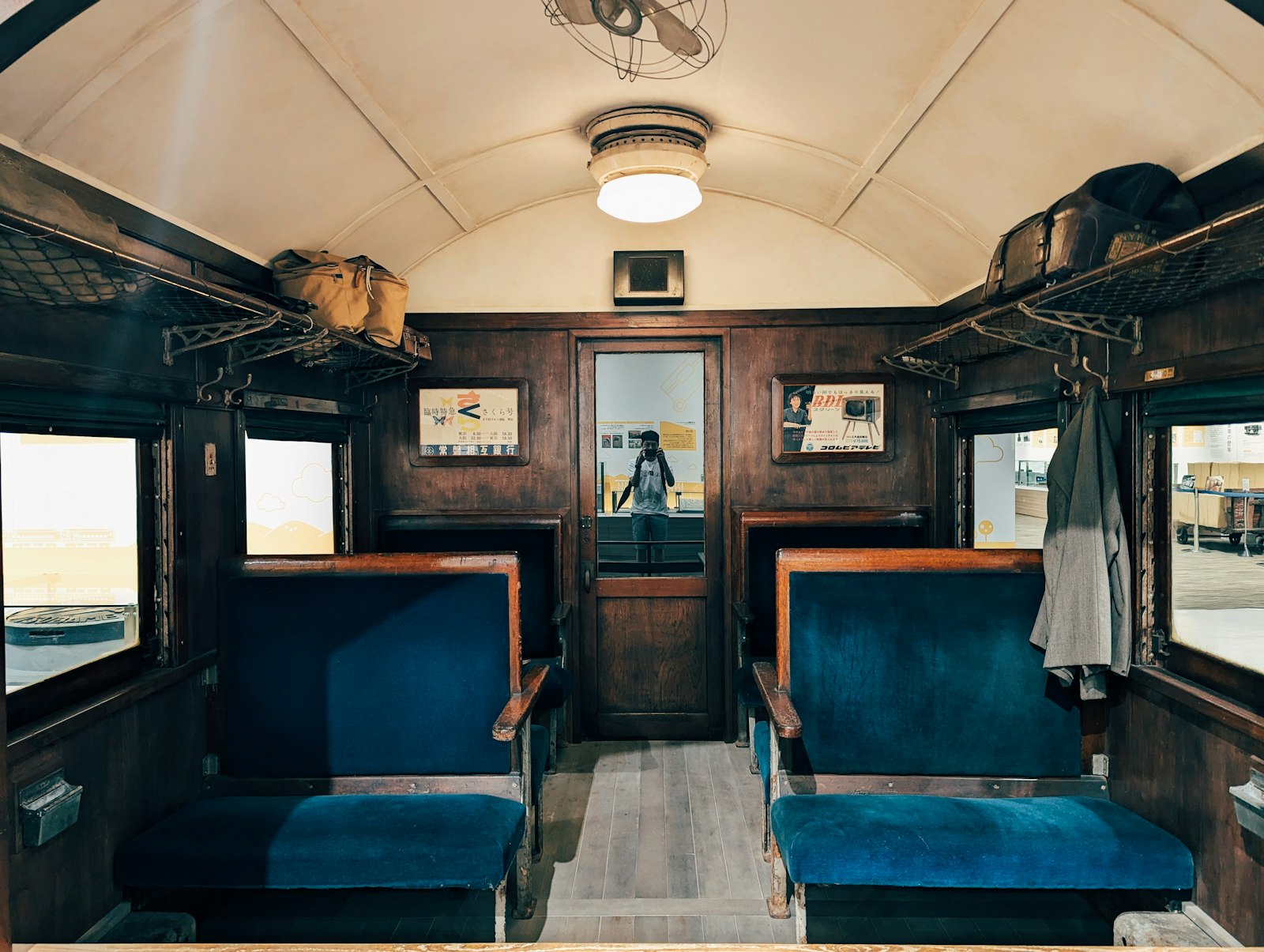
There is a particular pleasure in falling asleep in one city and waking in another, the landscape having changed entirely while you were unconscious, that no flight can replicate. Asia’s overnight sleeper trains, several of which have quietly modernised their cabins and service in recent years without losing the romance of the format, remain one of the more rewarding ways to actually experience the geography between two points rather than simply skip over it at altitude.
What Makes a Sleeper Journey Worth Taking
Not every overnight train route justifies the extra time over flying, and the ones worth genuinely seeking out tend to share a few qualities. The most rewarding routes pass through landscape that changes meaningfully overnight or at dawn — mountains giving way to plains, coastline emerging as the sun rises — rather than simply connecting two similar urban centres through unremarkable terrain. The best also offer a genuine step up in cabin comfort from a basic couchette, with private or semi-private compartments, proper bedding, and dining options that treat the journey as part of the experience rather than a logistical necessity to be endured.
The Routes Worth Booking
- Cross-border routes through mainland Southeast Asia offer some of the region’s most scenic overnight journeys, winding through rural landscape that a flight would skip entirely, with dawn arrivals that reward an early wake-up with genuinely spectacular views.
- Japan’s remaining sleeper services, though reduced in number over the past two decades as high-speed rail has expanded, still run a small number of routes with cabins considerably more refined than their counterparts elsewhere in the region, appealing to travellers who want the format’s romance paired with meticulous service.
- Longer cross-country routes on the Indian subcontinent remain some of the most immersive overnight rail journeys available anywhere, offering a genuinely different, slower vantage on daily life along the route than any other form of travel in the region provides.
Choosing the Right Cabin Class
Sleeper train cabin classes vary enormously across the region, and understanding the tiers before booking prevents an uncomfortable surprise. Basic berths, often in open carriages with curtained bunks, suit budget-conscious travellers comfortable with limited privacy; private compartments, sleeping two to four passengers with a lockable door, offer considerably more comfort and are generally worth the premium for anyone prioritising a proper night’s sleep; and a small number of routes now offer genuinely luxurious private suites with en-suite facilities, positioned closer to a boutique hotel experience than traditional rail travel. For travellers on a tighter schedule or budget, our piece on the appeal of the night bus considers the humbler overnight alternative.
Booking well ahead matters considerably more for sleeper trains than for most flights, since the most desirable cabin classes on the more popular routes sell out weeks or even months in advance, particularly around regional holidays when demand for overnight rail travel spikes considerably.
What to Pack and Expect
A sleeper journey rewards a slightly different packing approach than a standard flight. A light layer for air-conditioned carriages, a reusable water bottle, and something to read or occupy the hours before sleep all matter more than they would on a shorter journey. Dining varies considerably by route — some trains offer a proper dining car experience worth building the evening around, while others expect passengers to bring their own food or rely on station vendors during stops. It is worth researching the specific route’s dining arrangements in advance rather than assuming a full restaurant service will be available.
“The train forces you to actually watch a country go by instead of glancing down at it from thirty thousand feet,” one composite rail enthusiast who has spent years documenting Asia’s sleeper routes has said. “You notice things about a landscape from a train window that you’d simply never see any other way.”
Building a Longer Itinerary Around Rail
Sleeper trains work particularly well as connective tissue within a broader multi-country itinerary, allowing a traveller to move between destinations overnight without losing a full day to transit, effectively combining transport and accommodation into a single, more efficient block of time. Anyone planning a longer multi-country trip across the region should consider building at least one overnight rail leg into the route, both for the efficiency and for the genuinely different travel experience it offers compared to a series of short regional flights.
This kind of unhurried, ground-level travel also suits the broader philosophy behind slow-travel itinerary planning, which prioritises depth and texture over covering the maximum number of destinations in the shortest possible time. A sleeper train, almost by design, forces this slower pace onto even the most efficiency-minded traveller, if only for a single overnight leg of a longer journey. For travellers who prefer the open road to the rail line, it is also worth reading about the art of the Asian road trip, which shares much of the same underlying philosophy of choosing the journey over the destination.
Practical Booking Advice
Booking a sleeper train across much of Asia still requires more patience than booking a flight, and the process varies considerably by country — some national rail operators now offer straightforward online booking well in advance, while others still require booking through a local agent or in person once in the country, particularly for the more remote or less digitised routes. It is worth researching the specific booking process for a chosen route several months ahead of travel, since last-minute planning tends to leave travellers with only the least desirable cabin classes, or no availability at all on the most popular seasonal dates.
Travel insurance and a degree of flexibility both matter more with sleeper trains than with flights, since delays, while less common than reputation suggests, do occur, and a missed connection at the other end can complicate a tightly scheduled itinerary. Building at least a half-day buffer around any activity planned immediately after a sleeper arrival is sensible, allowing for the possibility that a train pulls in later than scheduled without derailing the rest of a trip.
A Format Worth Preserving
Sleeper trains face genuine pressure from expanding high-speed rail and cheap regional flights across much of Asia, and several routes that once ran regularly have been reduced or discontinued entirely in recent years. For travellers who value the format, booking one of the remaining routes is not just a pleasant journey but arguably a small act of preservation, supporting a mode of travel that offers something genuinely irreplaceable. For a wider look at how the region’s better trips are built, the Travel & Stays section carries the fuller picture.
Marcus writes on travel and hospitality across Asia, and is happiest a long way from a lobby.