Understanding Pearls: A Modern Take
Pearls spent a generation being dismissed as heirloom jewellery. A new wave of considered buyers is quietly proving that reputation entirely wrong.
 By Daniel Koh
29 August 2026 · 6 min read
By Daniel Koh
29 August 2026 · 6 min read
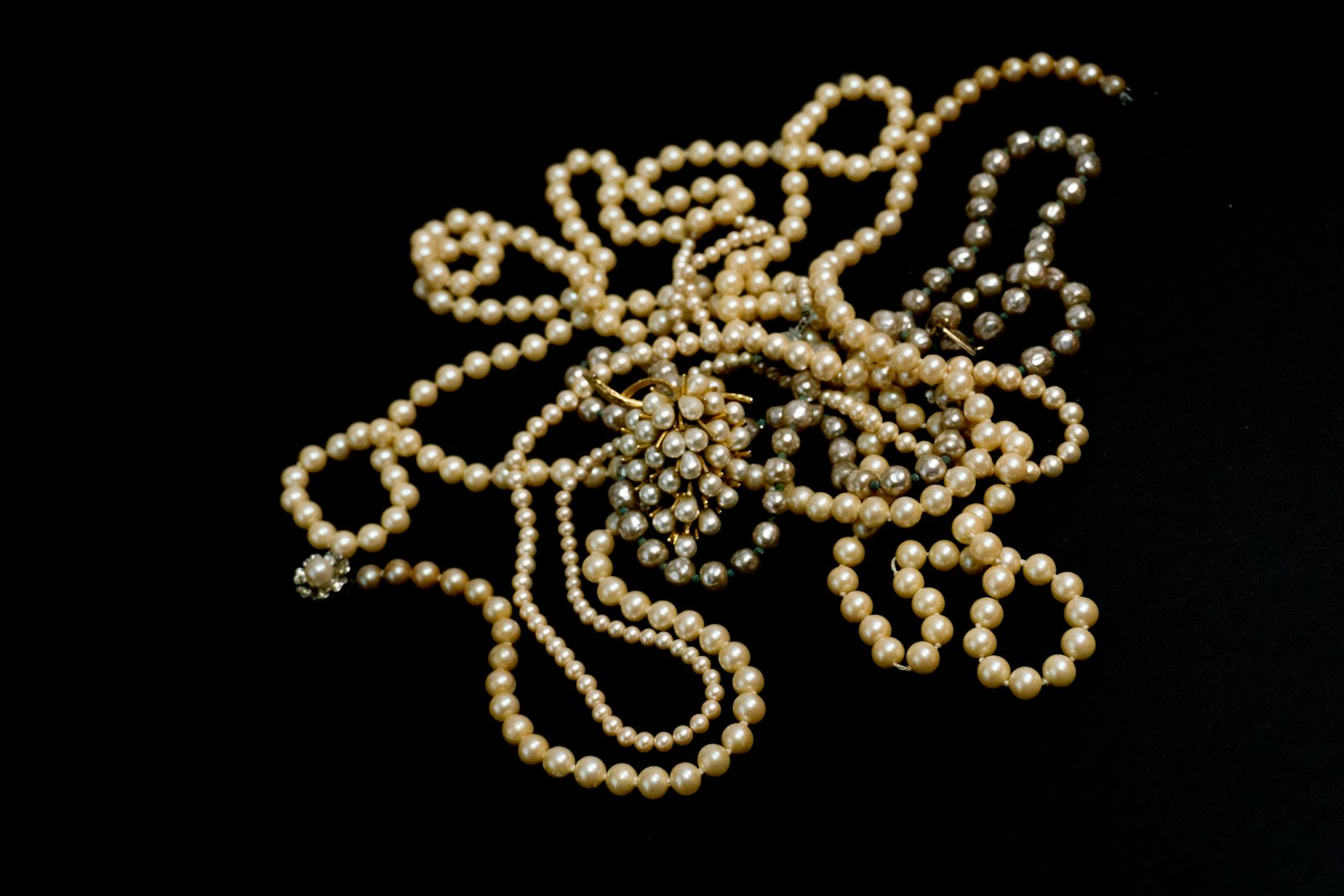
For a stretch of decades, pearls carried an image problem entirely disproportionate to the material itself — filed mentally alongside a grandmother’s jewellery box, correct for a certain kind of formal occasion and rarely considered for anything else. That reputation has been quietly dismantling itself for several years now, as a new generation of buyers and designers rediscover what makes pearls genuinely distinctive among gemstones: they are the only major jewellery material produced entirely by a living organism, and no two are ever identical.
The four things that actually determine quality
Buying pearls well starts with understanding what separates an exceptional piece from a mediocre one, since price alone is a poor guide without this context. Lustre — the sharpness and depth of light reflecting off the surface — matters more than almost any other factor, and is the clearest visual indicator of quality even to an untrained eye. A pearl with genuine depth of lustre seems to glow from within rather than simply reflecting light off a flat surface.
- Lustre: the sharpness and depth of reflected light; the single clearest quality indicator.
- Surface: minimal blemishes, spots or irregularities across the visible surface.
- Shape: perfectly round commands the highest prices, though baroque and irregular shapes have their own considerable appeal in contemporary settings.
- Nacre thickness: the depth of the pearl’s actual coating, which determines both lustre and long-term durability.
Freshwater, akoya, South Sea, Tahitian
The four major pearl categories differ substantially in origin, appearance and price, and understanding the distinctions helps enormously when buying with intent rather than simply trusting a label. Freshwater pearls, cultivated primarily in controlled inland waters, offer the most accessible entry point and increasingly rival saltwater varieties in quality as cultivation techniques have improved. Akoya pearls, smaller and typically rounder, carry the classic bright white lustre most associated with traditional pearl jewellery. South Sea pearls, larger and warmer in tone, sit at the top of the market for size and rarity, while Tahitian pearls bring a distinctive dark, often iridescent colour range unmatched by any other category.
Wearing pearls without looking dated
The modern styling case for pearls rests on breaking them out of the single-strand-necklace box they have been confined to for decades. A single, well-chosen pearl on a fine chain, worn against a plain shirt, reads as considerably more contemporary than a full traditional strand. Pearl studs or a small pendant work equally well for a man’s wardrobe as a woman’s, particularly in a signet-ring-adjacent role as a single, quiet piece of jewellery rather than a full set. Readers exploring restrained jewellery choices more broadly may find our guide to the signet ring and men’s jewellery a useful companion piece, since the underlying philosophy — one considered piece rather than several competing ones — applies equally here.
“The mistake people make is treating pearls as a single category,” one Singapore jeweller specialising in the material told us. “A baroque freshwater pearl on a modern setting has almost nothing in common, visually, with a traditional strand. They deserve to be considered separately.”
Colour beyond classic white
Pearls occur naturally across a far wider colour range than most buyers assume, from the soft champagne and pink tones common in certain freshwater varieties to the deep peacock greens and near-black hues found in Tahitian production. This natural variation gives contemporary jewellers considerably more room to design pieces that feel current rather than inherited, pairing an unexpected colour against warm or rose gold in a way that a traditional white strand never could. A single grey or champagne-toned pearl, in particular, has become a favourite among designers looking to modernise the material without abandoning what makes it distinctive in the first place.
Setting and pairing pearls thoughtfully
How a pearl is set matters as much as the pearl itself. A modern bezel setting in brushed gold reads considerably more contemporary than the traditional prong settings common in older pieces, and pairing a single statement pearl with minimal surrounding metalwork lets the material’s natural lustre do the visual work rather than competing with elaborate goldsmithing. For buyers weighing pearls against other gemstone categories, our broader guides to understanding diamonds and understanding gold offer useful context on how the region’s better jewellers approach material and setting decisions across categories.
Caring for pearls properly
- Apply perfume and cosmetics before putting pearls on, never after — the chemicals can dull lustre over time.
- Store separately from harder gemstones, which can scratch a pearl’s comparatively soft surface.
- Wipe with a soft cloth after wearing to remove skin oils and residue.
- Restring a strand periodically, since the silk cord used traditionally weakens with regular wear.
Natural versus cultured, and why the distinction rarely matters now
A common question among newer buyers is whether a pearl is natural or cultured, carrying an assumption that natural pearls are inherently superior. In practice, genuinely natural pearls — formed entirely by chance, without any human intervention in the mollusc — are now so vanishingly rare that they belong almost exclusively to specialist auction houses and serious collectors, and have almost no bearing on the modern retail market. Cultured pearls, formed the same way biologically but with a deliberately introduced irritant, make up virtually the entire contemporary market and can achieve the same exceptional lustre, shape and surface quality as their natural counterparts. The meaningful quality distinction today lies almost entirely in cultivation care, harvest timing and nacre thickness, not in the natural-versus-cultured question that dominated the category a century ago.
This matters practically because it removes a common source of buyer anxiety. A well-cultivated South Sea or Tahitian pearl, chosen on the four criteria already outlined, represents genuinely excellent value and craftsmanship, regardless of the natural-cultured distinction that once determined nearly all of the category’s prestige.
A material finally being seen clearly
What is happening with pearls now is less a trend than a correction — a genuinely singular organic material finally being appreciated on its own considerable merits rather than filed away as occasion wear. Buy with an understanding of lustre, shape and origin, and a pearl piece bought today is likely to feel as relevant in a decade as it does now. Readers building out a considered jewellery collection more broadly will find further reading across the wider Style & Watches section — a category that, much like pearls themselves, rewards patience, a discerning eye, and a willingness to look past outdated assumptions about what belongs on a modern wardrobe.
Daniel has spent fifteen years arguing that the best watch is the one you never take off.