The Quiet Luxury of the Mongolian Cashmere Coat
Nothing announces less and rewards more than a good cashmere coat. On the fibre, the making, and why the finest overcoats whisper rather than ever shout.
 By Daniel Koh
1 September 2026 · 6 min read
By Daniel Koh
1 September 2026 · 6 min read
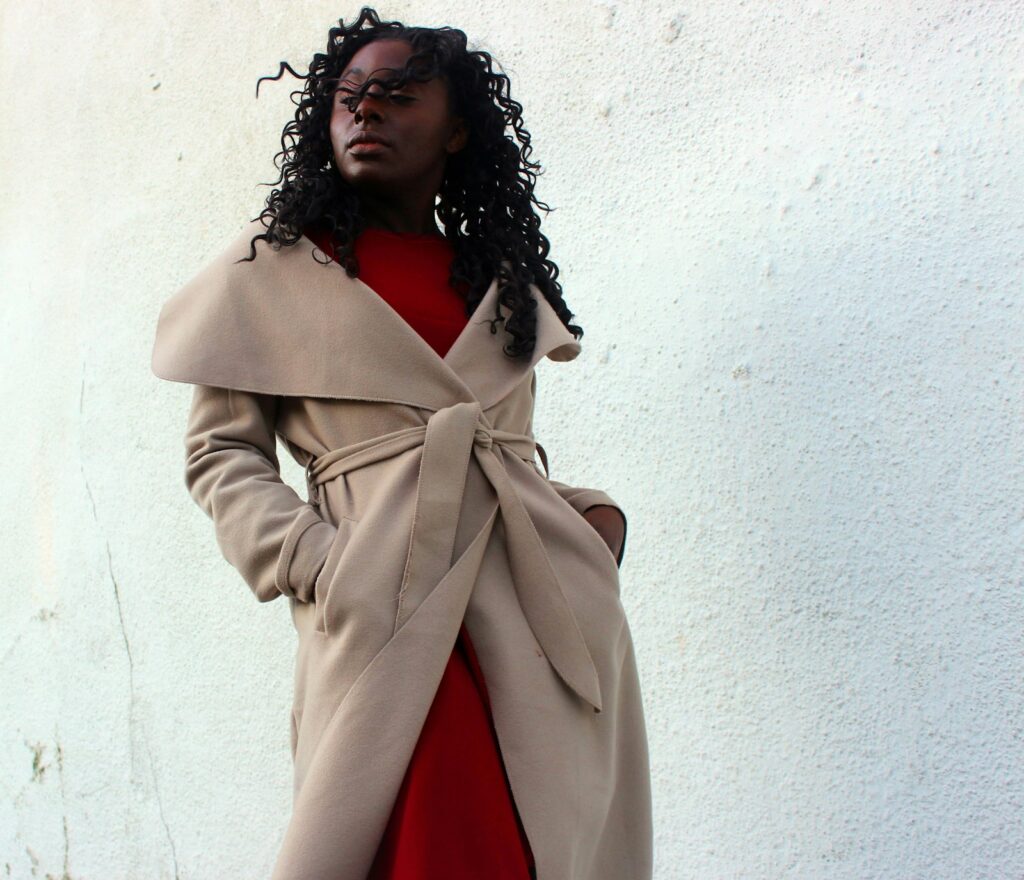
There are garments that shout their expense and garments that keep it to themselves, and the cashmere overcoat belongs firmly to the second kind. From across a room it reads simply as a good coat, well cut and quietly coloured. It is only up close, or when you put a hand on the sleeve, that the truth of it emerges: a softness and a weightless warmth that no other cloth quite matches. This is the essence of the thing, a luxury that reveals itself only to those near enough to touch, and it is why the cashmere coat has kept its place at the top of the wardrobe for so long.
Why cashmere, and why Mongolian
Cashmere is the fine undercoat of the cashmere goat, the downy fibre it grows against the deep cold of a continental winter and sheds when spring comes. The colder and harsher the climate, the finer and longer the fibre the animal produces, which is why the high, bitter plateaus of Mongolia yield some of the most prized cashmere in the world. The fibres are long, fine and strong, and it is that combination that gives a Mongolian cashmere overcoat its particular hand: soft without being flimsy, warm without weight.
Fineness alone is not the whole story, though, and understanding what separates good cashmere from merely adequate cashmere is worth doing before you spend. The length of the fibre matters as much as its diameter, because long fibres resist the pilling and thinning that betray a lesser garment within a season. We set out the whole business of judging and keeping the fibre in cashmere: how to buy it, how to keep it, and it is essential reading before any serious purchase.
What quiet luxury really means here
The phrase is overused, but the cashmere coat is one of the few places it genuinely applies. The whole appeal rests on discretion: a colour that stays within the register of camel, grey, navy or charcoal; a cut that is clean and classic rather than fashionable; a total absence of visible branding or hardware. The coat says nothing, and in saying nothing it says everything to the small number of people who understand what they are looking at. This is luxury as a private pleasure rather than a public signal.
It sits, in this respect, alongside the other great discreet overcoats, and the argument for it is really the argument for good outerwear in general, which we make in full in the quiet power of a great overcoat. A coat is the one garment seen in every encounter of the colder months, worn over everything else, and so the case for making it the best thing you own is strong.
A cashmere coat does not ask to be noticed. It simply makes every ordinary day of wearing it a little more comfortable, and lets those close enough draw their own conclusions.
There is also the question of when to wear such a coat, and here Singapore poses its own gentle problem. A full cashmere overcoat is, of course, a garment for cold climates, and its natural home is the traveller’s wardrobe rather than the daily one, pulled out for winters abroad, for the cool of a highland retreat, for the long-haul flight where cabins run cold and a soft coat doubles as a blanket. Bought with travel in mind, it earns its keep several times a year without ever being asked to work in the heat it was never meant for. For those who split their time between climates, the cashmere coat becomes the anchor of the cold-weather half of the wardrobe, the one grand piece that makes everything packed around it look considered. Choose a colour and a cut that will still look right in a decade, resist the temptation of anything trend-driven, and the coat will greet you like an old friend each time the temperature drops, softer and more yours with every winter that passes.
Weight, blend and the honest coat
Pure cashmere is glorious against the skin, but it is also soft and can lack the body and structure a coat needs to hold its shape over years of wear. For this reason many of the best overcoats are not pure cashmere at all but a considered blend, cashmere with a proportion of wool that lends resilience and structure while keeping most of the softness and warmth. There is no shame in this; an honest blend often makes a better, longer-lasting coat than pure cashmere, which can go thin at the cuffs and collar where the friction is greatest.
Weight matters too. A featherweight cashmere is a wonderful thing for a scarf but too insubstantial for a coat meant to stand up to wind and to hold a lapel. A good overcoat cloth has enough weight to drape properly and to keep its line, and this is a place where the camel-hair coats share the same logic, which is why our study of the camel-hair coat makes useful companion reading for anyone weighing the choice between the two great luxury fibres.
Caring for a coat meant to last
A cashmere coat is an investment, and it rewards the same care as fine knitwear. Brush it gently with a soft clothes brush after wear to lift dust and keep the surface smooth. Let it rest on a broad, shaped wooden hanger that supports the shoulders, never a thin wire one that will distort them. Air it rather than dry-cleaning it at every turn, because harsh cleaning strips the natural oils that keep the fibre supple; clean it sparingly and only when it truly needs it. Store it over summer with cedar to guard against moths, which regard cashmere as a delicacy.
Treated this way, a cashmere coat does not wear out so much as settle in, growing softer and more personal with the years. The same instinct for buying well and keeping carefully runs through everything worth owning in knitwear, as we argue in the knitwear worth investing in, and the overcoat is simply that instinct at its grandest scale.
The one coat argument
If a wardrobe were allowed a single extravagance, a fine cashmere overcoat would be among the strongest candidates. It is worn constantly through the season, it flatters almost everyone, it never dates, and it quietly elevates whatever is beneath it. In a world of loud clothes, it is the ultimate expression of the opposite instinct, luxury turned inward, felt rather than displayed. For more on the pleasures of dressing quietly and buying well, spend some time in our Style & Watches section, where the whole philosophy of the considered wardrobe is set out.
Daniel has spent fifteen years arguing that the best watch is the one you never take off.