The Enduring Style of the Loafer
Slip-on, sockless, endlessly versatile, the loafer is the shoe that does everything. Here is why classic loafers endure and how to wear them well.
 By Daniel Koh
1 September 2026 · 6 min read
By Daniel Koh
1 September 2026 · 6 min read
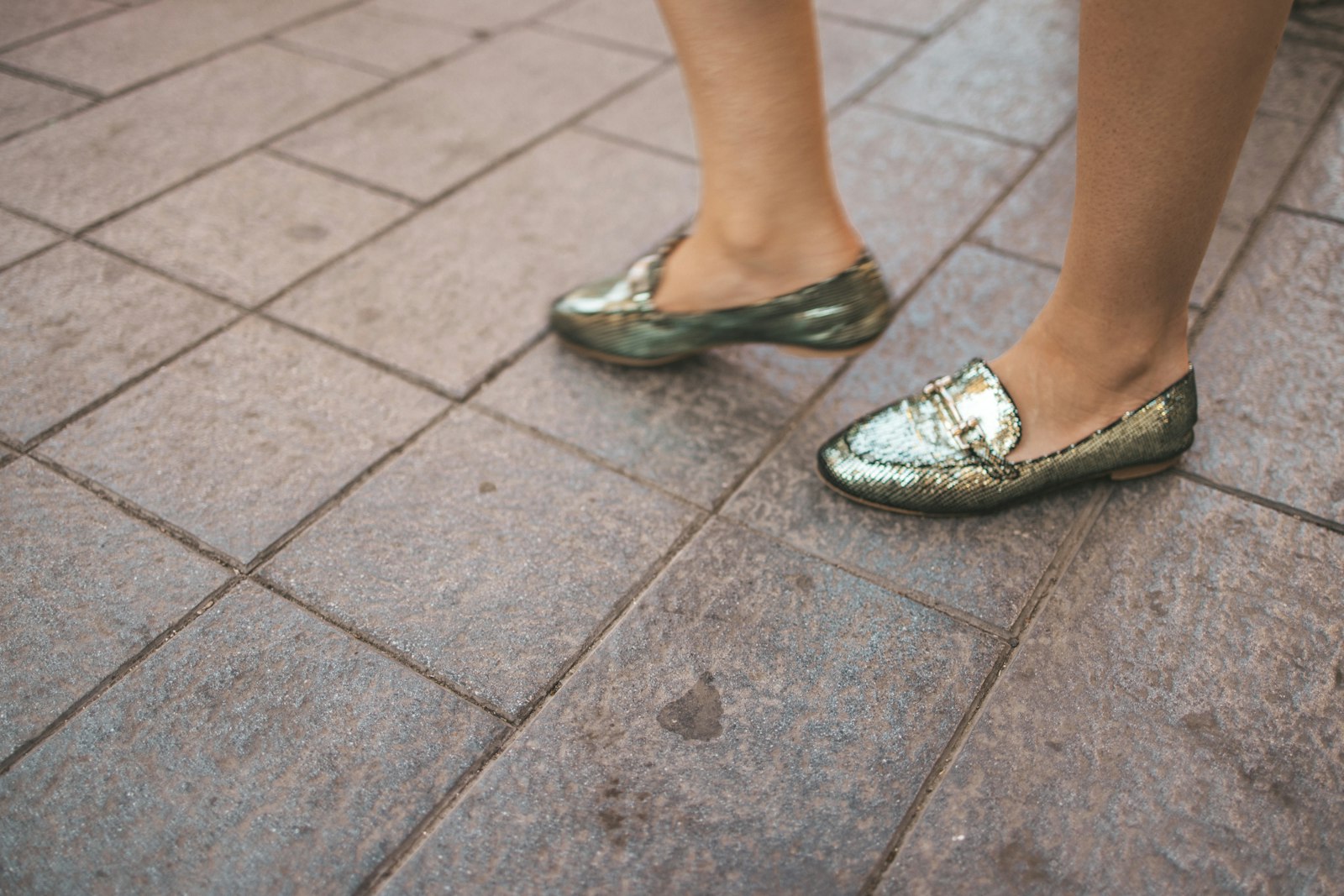
The loafer is the great democrat of the shoe world. It has been worn by prep-school students and prime ministers, by film stars and civil servants, with suits and with swimming shorts. It slips on without ceremony, needs no laces and no fuss, and manages to look right in almost every context a man finds himself in. In the enduring appeal of classic loafers lies a small lesson about how the most versatile things are usually the most useful.
A short history of the slip-on
The loafer began as a casual shoe — a moccasin-inspired slip-on for relaxed wear, born in the early twentieth century and quickly adopted on both sides of the Atlantic. What happened next is the interesting part. The shoe climbed steadily up the register, from weekend footwear to a genuinely smart option worn with tailoring, until today it sits comfortably almost anywhere. Few garments have travelled so far from their casual origins without losing their ease along the way — a journey that echoes how work garments become wardrobe staples, the story behind so many pieces in a well-built shoe wardrobe.
The family of loafers
Loafer is really a category rather than a single shoe, and knowing the members helps you choose:
- The penny loafer, with its distinctive strap and slot across the saddle — the original and the most versatile.
- The tassel loafer, a touch dressier and more decorative, favoured by a certain confident professional.
- The bit loafer, with its metal snaffle, the most formal of the family and the most overtly luxurious.
- The unlined suede loafer, softest and most relaxed, made for warm weather and bare ankles.
Of these, penny loafer style remains the benchmark — the one that crosses the most ground, from a grey suit to a pair of faded jeans. The definitive pairs are gathered in the best penny loafers reconsidered, and it is the sensible place to begin a collection.
The loafer’s whole genius is that it refuses to commit. Smart or casual, formal or relaxed, it takes its cue from everything around it and always looks at home.
Why they suit the tropics
There is a particular argument for the loafer in a climate like Singapore’s. Worn sockless — as they are meant to be in the heat — they are cool, easy and quietly elegant, avoiding the sweaty formality of a laced shoe. Suede versions especially come into their own, soft and breathable and forgiving of humidity, a case made fully in why suede loafers suit the tropics. In a city that dresses smart but rarely cold, the loafer is close to the ideal shoe.
Buying and keeping a good pair
A loafer lives or dies by its construction, because a slip-on has nothing but its fit to hold it on the foot. Look for:
- A snug fit at the heel and across the throat — too loose and the shoe flaps and slips.
- Good leather or suede with a bit of substance, which will mould to the foot over time.
- A welted or otherwise resoleable construction, so the shoe can be rebuilt rather than binned.
- Clean, restrained lines — the loafer’s elegance is in its simplicity, not its decoration.
Buy a well-made pair and look after them, and they will repay you for years. A quality loafer is precisely the sort of shoe worth resoling again and again, the argument at the heart of the loafers worth resoling for life.
Wearing them with confidence
The loafer’s versatility only pays off if you wear it with a little conviction, and a few principles help. The single most important is the ankle: loafers are designed to show a slip of skin or a low, invisible sock, and the effect collapses entirely under a crew sock riding up the shin. In a warm climate, going sockless — or wearing thin no-show socks to protect the leather from sweat — is both the coolest and the most elegant option. It is a small detail that makes the whole difference between looking easy and looking like you forgot something.
Trouser length matters almost as much. A loafer wants a trouser that breaks lightly or sits just above the shoe, so that the clean lines of the slip-on are not swallowed by a puddle of excess cloth. Cropped or gently tapered trousers flatter them, as do well-cut jeans with a modest turn-up. The idea throughout is to let the shoe be seen; its elegance lives in the exposed line of the foot and ankle, and covering that up defeats the purpose of choosing a loafer at all.
As for register, trust the shoe to keep up with you. A bit loafer carries a suit with ease; a penny loafer bridges the smart and the casual better than any other shoe; a soft suede pair belongs with linen and an open collar on a warm evening. The mistake is to treat loafers as strictly casual and reach for lace-ups whenever things turn formal — in most modern settings, a polished penny or bit loafer is entirely at home with tailoring, and far more comfortable for it. The most enduring of these, with its distinctive strap across the vamp, is the subject of the enduring style of the penny loafer.
The one shoe to own
They age beautifully, too, which is the final quiet argument for buying well. A good leather loafer develops a patina with wear — the toe burnishing, the leather softening and taking the shape of your foot, the whole shoe growing more characterful and more comfortable the longer you keep it. Feed the leather now and then, let a pair rest a day between wearings so they can dry out, and rotate two pairs rather than flogging one into the ground, and they will repay you for a decade or more. A cheap loafer is a disposable thing; a well-made one is a companion, and it is precisely the sort of shoe that looks better at ten years old than it did on the first day out of the box.
If a laced oxford is the shoe you wear when the occasion demands it, the loafer is the shoe you actually choose — the one you reach for because it is easy, comfortable and quietly right. Own one good pair and you will find yourself wearing them far more than you expected, in far more situations than you imagined. That is the mark of a truly versatile thing. For more of the footwear and pieces worth getting right, our style and watches pages are always worth a visit.
Daniel has spent fifteen years arguing that the best watch is the one you never take off.