The Enduring Style of the Penny Loafer
Neither quite smart nor quite casual, the penny loafer bridges both with ease. A considered look at the classic slip-on and how to wear it well.
 By Daniel Koh
1 September 2026 · 6 min read
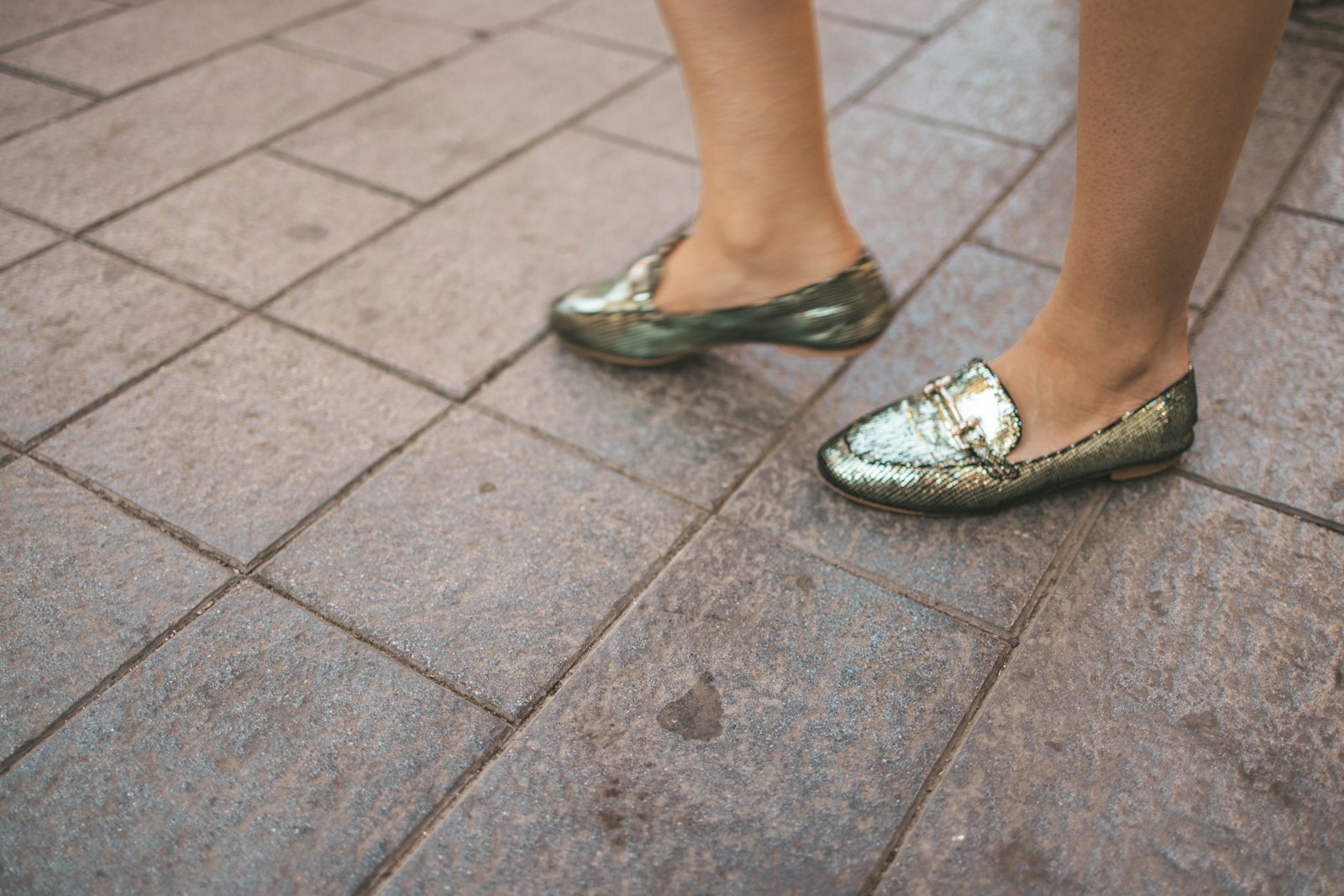
The penny loafer occupies a peculiar and valuable place in the wardrobe: it is neither quite a formal shoe nor quite a casual one, and that ambiguity is its whole strength. It slips on where a lace-up would be fussy, dresses down a suit and dresses up a pair of jeans, and does so with an easy, unstudied elegance that few other shoes manage. It has been quietly indispensable for the best part of a century, and it shows no sign of going anywhere.
Understanding why it works so well means understanding both its curious history and the small details that separate a good one from a mediocre one.
The little strap, and the penny
The defining feature of the penny loafer is the strip of leather across the vamp, cut with a small diamond-shaped slot in its centre. That slot is where the shoe gets its name. The story, probably more charming than strictly true, is that wearers would tuck a penny into the slot, whether for luck, for a phone call in the days of the coin box, or simply for decoration. The name stuck, and the little strap remains the shoe’s signature.
Whatever the truth of the coin, that strap is what distinguishes the penny loafer from its cousins, the tasselled and plain versions of the slip-on family. It is a small piece of design that has become instantly recognisable, and it sits at the heart of the loafer tradition explored in the enduring style of the loafer. Knowing the family helps you choose within it.
What makes a good one
As with any shoe, quality lives in the details. Look first at the leather, which should be a good full-grain calf that will take a polish and age well rather than a cheap corrected-grain that will crack. Look at the construction: a properly welted sole, which can be resoled and repaired, is worth far more over a lifetime than a cheaply glued one that must be thrown away when it wears through.
Look, too, at the last, the shape around which the shoe is built, which determines both fit and elegance. A good penny loafer has a clean, slightly elongated last that flatters the foot without looking either stubby or absurdly long. These are the same marks of quality that distinguish any well-made shoe, and they are the reason a good pair is an investment rather than an expense. Cared for properly, as set out in a guide to caring for leather shoes, a good pair will last for decades.
The genius of the loafer is that it asks nothing of you. No laces, no fuss, just a shoe you step into that happens to make everything look better.
Colour and material
The most versatile penny loafer is a mid-to-dark brown in smooth calf leather, a shade that works with almost everything from grey flannels to blue jeans. Black is sharper and more formal, the choice when you want the shoe to lean smart, though it is less versatile than brown. Burgundy and oxblood offer a richer, more characterful alternative that still plays well with a wide range of clothes.
Beyond smooth leather, suede opens up a softer, more casual register, particularly good in warmer weather and with more relaxed clothes. A suede penny loafer in a warm tan or chocolate is a summer staple, easy and elegant, and it belongs to the same relaxed-but-considered world as the rest of a well-edited shoe rack. Whichever you choose, buy the best you can and keep it well.
How to wear it
The penny loafer’s versatility is its defining pleasure. Worn with a suit, particularly in the warmer months, it lends an easy, slightly rakish note to tailoring, softening the formality without undermining it. Worn with chinos or flannels and a jumper, it is the backbone of smart-casual dressing. Worn with jeans, it lifts the whole outfit, adding a touch of polish to something otherwise relaxed.
There is a long-running debate about socks, and the honest answer is that it depends. With tailoring, wear them. In summer, with more casual clothes, going sockless, or in low invisible socks, gives the shoe its classic, easy look. Either way, keep the shoes clean and polished, since a scuffed loafer undoes all the elegance the shape provides. Worn with a little care, the penny loafer sits comfortably beside its relatives, including the tassel loafer, in any considered wardrobe.
A shoe that never dates
The penny loafer endures because it solves a real problem with real elegance: it bridges the gap between formal and casual, slips on without fuss, and flatters almost any outfit. Buy a good pair, care for them well, and they will serve you across seasons and years, quietly making everything you wear look a little better.
There is also a strong case for the penny loafer as a warm-climate shoe, which is easy to overlook amid its Ivy League and continental associations. A slip-on with no laces is cooler and easier than a closed, laced shoe, and worn without socks in the proper season it is one of the most comfortable ways to stay smart in the heat. A suede or unlined leather version breathes well and suits humidity far better than a heavy, stiff oxford. This makes the loafer a natural anchor for a tropical or resort wardrobe, dressing up linen trousers for dinner or finishing a pair of chinos for the office without ever feeling heavy or overdressed. It is the rare smart shoe that actually welcomes warm weather rather than merely tolerating it. Kept clean and lightly conditioned so the leather does not dry out, a good pair copes admirably with humidity and becomes, for months of the year, the most sensible shoe in the rack, the one that manages to look considered while asking almost nothing of the wearer.
Choose quality, choose brown to begin with, and let the loafer become the shoe you reach for when a lace-up feels like too much effort. For more on the footwear and pieces worth owning for life, the style and watches section is where these cases are made.
Daniel has spent fifteen years arguing that the best watch is the one you never take off.