
The Case for the Campaign Chest
Brass-bound, flush-fitted and built to survive a sea voyage, the campaign chest carries two centuries of hard travel. The case for the most practical antique.
 By Priya Nair
2 September 2026 · 6 min read
By Priya Nair
2 September 2026 · 6 min read
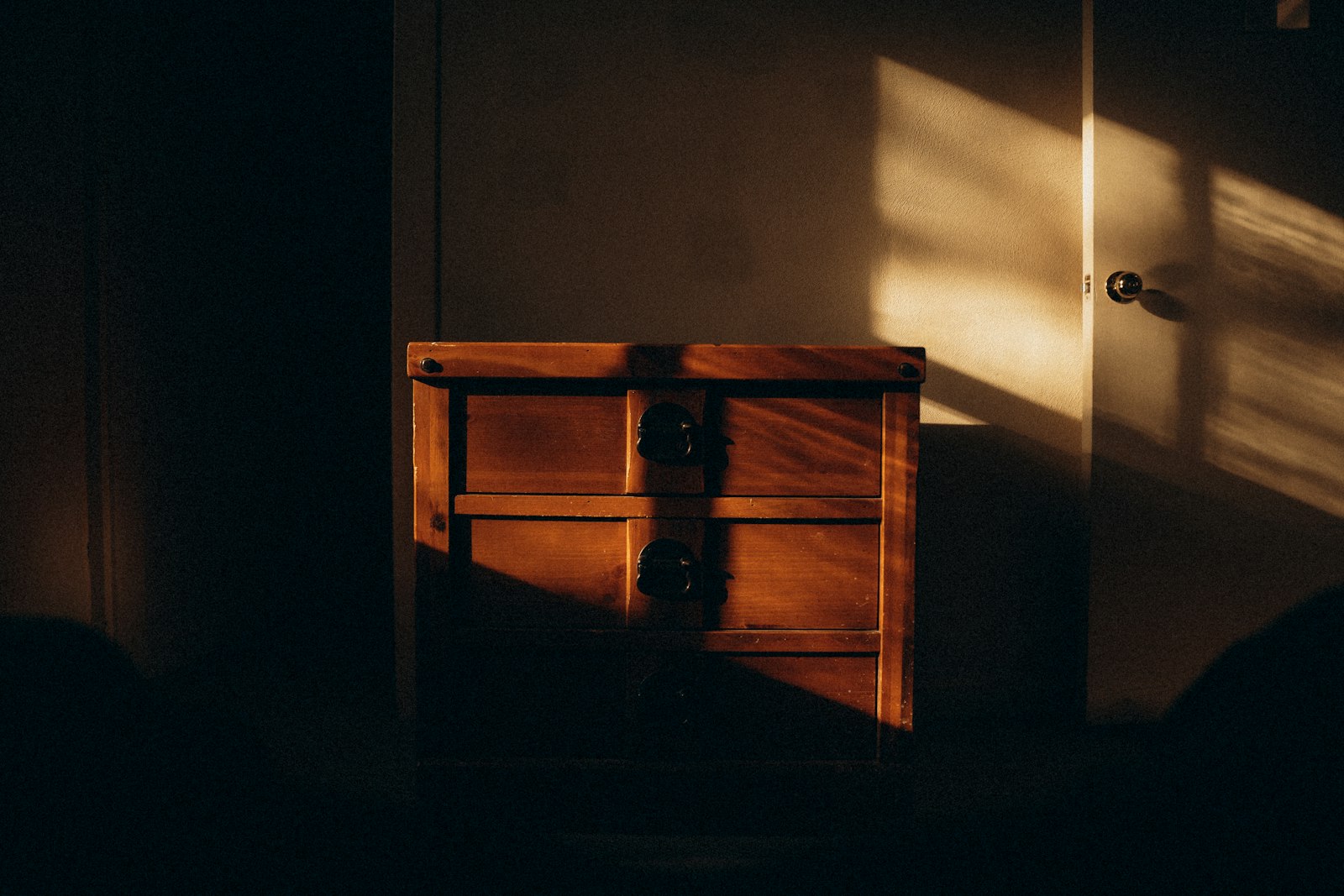
Some furniture was made to sit still. The campaign chest was made to move, and everything about it, the brass corners that protect the edges, the recessed handles that will not snag, the way it splits into two stackable halves for carrying, the flush fittings that survive a rough passage, follows from that single purpose. It was the furniture of officers and administrators who spent their lives on the move across the empire, packed and unpacked and shipped and carried, and it was built to a standard of practical craftsmanship that most static furniture never had to meet. That toughness is exactly why it belongs in the modern home, where nothing needs to travel but everything benefits from being well made.
The campaign chest is an antique that has never really gone out of fashion, and the reason is that its design solves problems every home still has. It is compact, immensely sturdy, cleverly configured for storage, and possessed of a handsome, unfussy military elegance that suits almost any interior. It is, in short, one of the most genuinely useful pieces of antique furniture a person can own.
Designed by necessity
Every distinctive feature of the campaign chest exists for a practical reason, and that is the source of its beauty. The brass corners and edge straps are not decoration but armour, protecting the timber from the knocks of constant transit. The handles are set flush into the drawer fronts, sunk so they cannot catch or be broken off when the chest is manhandled onto a ship or a cart. The whole piece typically divides into two sections that stack, so it can be carried by two men and packed into a smaller space.
This is design driven wholly by function, and it produces an object of great honesty and restraint. It belongs to a lineage of practical, well-engineered storage that we have long admired, running from the campaign chest to the far more familiar British high street through to the traditions of the East, particularly the art of the tansu chest, the Japanese travelling chest that solved the same problems in a different idiom. Both are furniture built to move, and both are the better looking for it.
Craftsmanship built to survive
Because a campaign chest had to endure sea voyages, tropical climates and endless handling, it was built to a standard that ordinary domestic furniture rarely matched. The timber, often teak, mahogany or camphorwood, was chosen for durability and resistance to the elements; the joinery was tight and robust; the brasswork was solid and properly let in. A chest that has already survived a century or two of hard travel is not going to be troubled by a quiet bedroom.
“They were made to be dropped off the back of a ship and still work,” an antiques dealer told me, sliding a drawer that ran as sweetly as the day it was cut. “That is why so many of them are still here. You cannot break them.”
This is the great appeal of buying antique over new: the quality is proven by survival. A well-made old chest has demonstrated its durability over generations, which is more than any showroom piece can claim, and it fits the philosophy we set out in our guide to collecting mid-century furniture, that the best value in furniture often lies in well-made older pieces rather than new ones.
Endlessly useful
The campaign chest’s practicality does not end with its toughness. Its configuration, typically a bank of graduated drawers in a compact footprint, makes it one of the most useful storage pieces there is, and it adapts to almost any room. In a bedroom it serves as a chest of drawers; in a hall, as storage with a surface on top; in a study or dressing room, as a handsome and capacious filing and stowing solution.
Its compact scale is a particular virtue in smaller modern homes, where a full-sized Victorian wardrobe simply will not fit. The campaign chest packs a great deal of storage into a modest space, the same way it once packed an officer’s whole life into two carryable halves. This kind of clever, space-conscious storage furniture connects to the broader tradition of display and utility we explored in the case for the dresser and its display, where a single piece earns its place by doing several jobs at once.
Buying and living with one
When buying, look first at the brasswork and the drawers. Original brass, properly let into the timber, is a mark of quality; check that the corners and straps are sound and the recessed handles complete. Slide every drawer, they should run smoothly on their original runners, and inspect the two halves for a proper fit if the chest divides. Some fine detail, such as a secretaire drawer that folds down into a writing surface, adds both utility and value.
Condition matters, but a campaign chest is meant to show honest wear; the small dents and softened edges are the record of its travels and part of its character. Do not over-restore. A chest that looks its age is telling the truth about what it is, and that patina is worth more than a suspiciously perfect refinish. As with all antique buying, condition and originality are everything, principles that carry across the whole field of collecting we write about, including the case for the apothecary cabinet, another storage antique prized for its clever, purposeful design.
Furniture that has earned its place
What the campaign chest offers the modern home is a rare combination: genuine antique character, proven durability, compact practicality, and a design so honestly resolved that it will never look dated. It carries two centuries of hard use lightly, and it will carry another two if you let it. In a market full of new furniture built to be replaced, a piece built to survive an ocean crossing is a quiet act of good sense.
Buy one with sound brass and smooth-running drawers, resist the urge to over-restore it, and let it do the job it was always built for: storing things beautifully and lasting for ever. For more furniture that has earned its place through craftsmanship and use, our Homes & Culture desk keeps its corners brass-bound. Mind the handles, honour the wear, and let the chest keep travelling through the generations.
Priya tours the homes most people only glimpse from the road, and asks how they are really lived in.


