The Best Kelp-Forest and Rocky-Shore Retreats
Kelp-forest retreats trade infinity pools for tide pools, building their whole appeal around cold, clear water and a coastline that refuses to be tamed.
 By Marcus Lim
1 September 2026 · 6 min read
By Marcus Lim
1 September 2026 · 6 min read

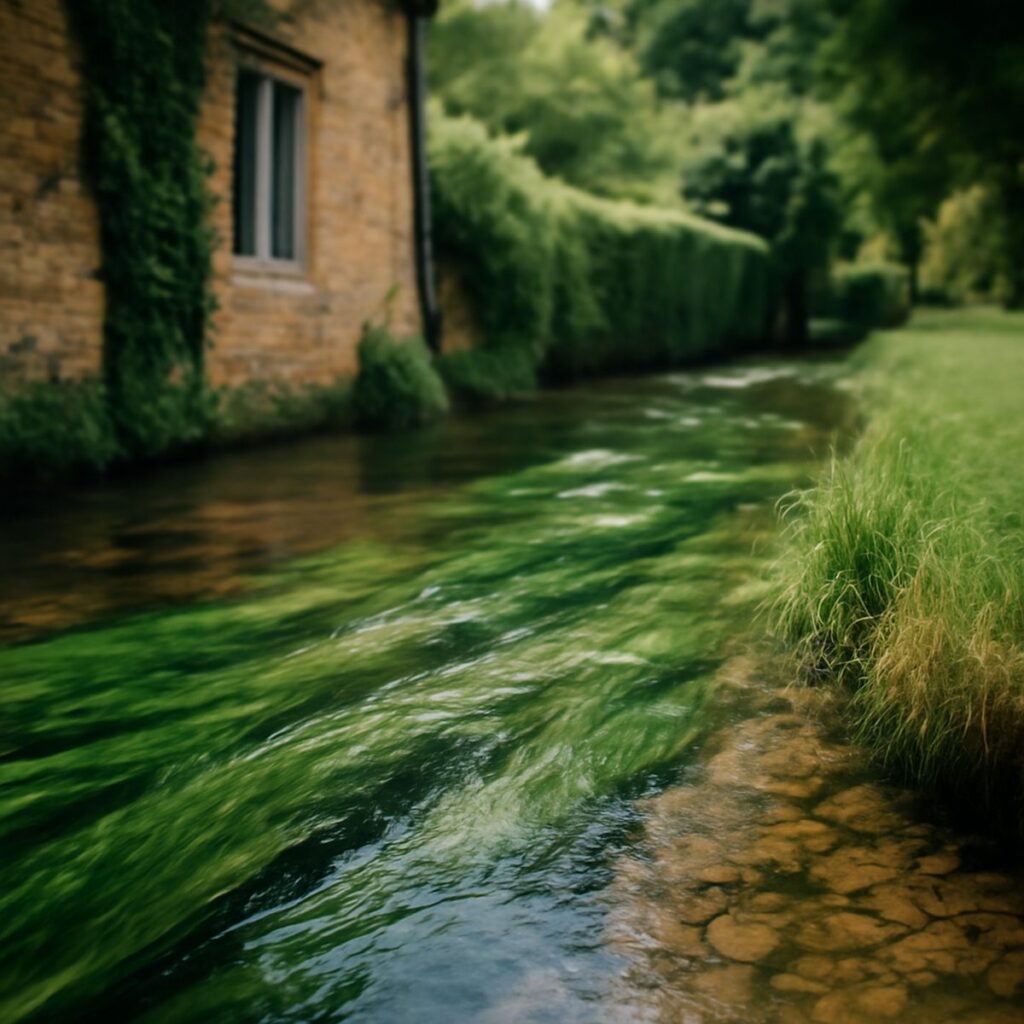
There is a particular species of luxury retreat that has nothing to do with white sand or turquoise water, and everything to do with cold currents, dark rock, and the strange, swaying architecture of a kelp forest just offshore. These are not resorts built to soften the coastline; they are built to sit inside it, often on the more exposed, wind-scoured stretches of coast that most developers avoid. What draws a certain kind of traveller to them is precisely the drama that a tropical beach cannot offer: the sound of a rocky shore working against the tide all night, the sight of kelp fronds rising and falling with the swell just metres from a window, and mornings that begin not with a sunrise over calm water but with mist burning slowly off cold rock.
Why cold water changes everything
A kelp forest needs three things to establish itself: cold, nutrient-rich water, a rocky substrate to anchor to, and enough light to reach the seabed, which usually means a coastline without heavy silt or murk. These conditions tend to occur where warm tropical waters give way to cooler currents, at higher latitudes or along coasts fed by upwelling, and they produce an entirely different underwater world from a coral reef: dense, vertical, and constantly moving. A composite lodge built into the cliffs above one such coastline runs guided cold-water snorkels most mornings, kitting guests out in thick wetsuits before leading them through kelp canopy that sways overhead like a slow-motion forest. It is a stranger, quieter kind of marine encounter than a reef dive, and it tends to leave a deeper impression precisely because it asks more of the visitor.
Architecture built for exposure, not shelter
Unlike a tropical beach resort, which typically turns its back to prevailing weather, the better kelp-forest and rocky-shore retreats are designed to face the exposure head-on. Thick stone walls, deep-set windows, and roofs pitched to shed both rain and salt spray are common, and the best properties treat the wildness of the setting as the whole point rather than something to be screened out with landscaping. One composite retreat perched above a rocky inlet has built its entire spa wing from the same dark stone as the cliffs around it, with a single glass wall facing directly onto the water, so guests can watch storms roll in from the warmth of a heated pool. This is a very different sensibility from the sea-stack and coastal-cliff retreats we cover elsewhere, which tend to prize height and vantage over direct contact with the water itself.
What makes a good kelp-forest stay
- Direct, guided access to the kelp canopy itself, not just a distant coastal view.
- Wetsuits and cold-water gear provided and properly maintained, since visitors are rarely equipped for it themselves.
- A kitchen that works seriously with cold-water seafood — urchin, abalone, kelp itself — rather than importing a warm-water menu.
- Staff who can speak to tide tables and swell conditions with real fluency, since the coastline here is rarely as forgiving as a tropical lagoon.
The tide pool at low water
Away from the kelp itself, the retreating tide along these shores exposes a second world worth building a morning around: rock pools thick with anemones, chitons and the occasional stranded juvenile fish, all visible without a mask or a boat. A composite property on a particularly rugged stretch of coast keeps a marine biologist on staff through the calmer months specifically to lead low-tide walks, timed to the two or three days each month when the water drops furthest. Guests who might never consider a wetsuit find themselves crouched over a pool for twenty minutes, entirely absorbed, which says something about how well-designed these experiences are when the retreat takes the trouble to guide them properly rather than leaving guests to work it out alone. Those who prefer their wild landscapes inland may find a similarly absorbing kind of quiet in our piece on the deer forest lodge stay.
“Most people arrive expecting a beach holiday and leave talking about a single hour at the tide pools,” a composite marine guide at one such lodge told us. “The kelp does something to people. It’s the movement of it, I think.”
Pairing the coast with wildlife further out
These cold, nutrient-rich waters tend to draw larger marine life too, and several retreats in this category run seasonal boat trips out beyond the kelp line to look for whales and other pelagic visitors passing along the same currents that feed the forest. For travellers keen to extend a coastal stay into a broader marine-wildlife itinerary, our guide to the best whale and marine wildlife trips covers this in more detail, and the two experiences pair naturally, since the same cold current driving the kelp forest is very often what draws the whales close to shore in the first place.
Eating from the kelp line itself
The better kitchens attached to these retreats treat the kelp forest as more than scenery, working urchin, abalone, and the kelp fronds themselves into a genuinely distinct coastal menu. A composite chef at one such lodge forages a portion of the kitchen’s kelp by hand at low tide most mornings, drying some for a smoky, mineral-rich seasoning and pickling the rest for a sharp, faintly briny condiment served alongside grilled fish. Urchin, when in season, tends to appear barely dressed, its brininess left to speak for itself rather than buried under sauce, and the better properties are candid about which species are sustainably harvested and which are simply too depleted locally to serve responsibly. This kind of transparency, more common at cold-water lodges than at their tropical counterparts, is worth seeking out specifically when booking. Travellers drawn to that immersive sense of place may also enjoy a forest of a very different kind in the best bamboo-forest retreats.
A different definition of restorative
What ties these retreats together, beyond geography, is a shared instinct that rest does not require warmth or stillness. A cold plunge off a rocky ledge, a wind-scoured walk along a cliff path, an evening spent listening to surf work against stone rather than lap gently at sand — these are restorative in a rougher, more bracing register than the tropical default, and they suit a traveller who finds too much calm faintly dulling. Readers drawn to this kind of coastline, whether kelp-fringed or otherwise, will find the fuller picture, including gentler estuary and dune settings, across our estuary and coastal reserve retreats guide, and further options throughout our dune and coastal-sand retreats coverage, both useful companions for anyone building a coastal trip around water rather than sand. For the wider spread of considered stays across the region, our full Travel & Stays section is the place to start.
Marcus writes on travel and hospitality across Asia, and is happiest a long way from a lobby.