The Best Places for Pangolin and Ground Wildlife
Ground-dwelling wildlife rarely photographs as well as canopy species, but for patient travellers, a pangolin sighting ranks among the rarest wildlife thrills.
 By Marcus Lim
1 September 2026 · 6 min read
By Marcus Lim
1 September 2026 · 6 min read
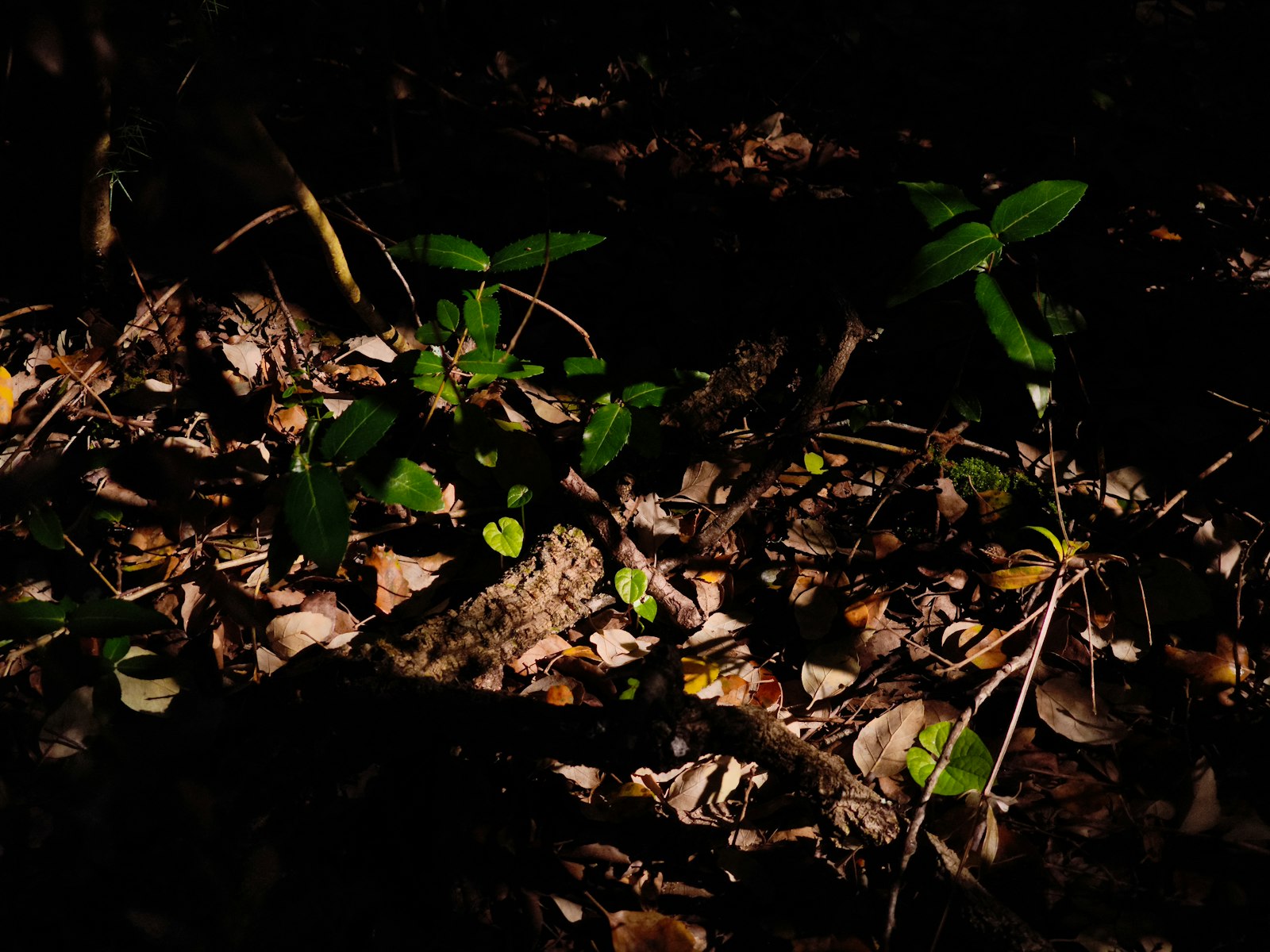
Ground-dwelling wildlife has an image problem, if it is honest about it. A gibbon swinging through the canopy or an orangutan cradling its young makes for an easy, arresting photograph; a pangolin, by contrast, spends most of its life curled defensively in leaf litter or moving low and slow across the forest floor after dark, unglamorous by any conventional measure and, as a result, largely absent from the standard wildlife-travel itinerary. This is a shame, because the region’s ground layer, the world beneath the canopy that most safari-style trips barely glance at, holds some of Asia’s strangest and most quietly remarkable creatures, and the pangolin, the world’s only scaled mammal, is arguably the most extraordinary of the lot.
Why pangolins are so rarely seen
Pangolins are nocturnal, solitary, and acutely sensitive to disturbance, which makes them one of the hardest mammals in the region to encounter deliberately rather than by pure luck. They are also, unfortunately, among the most heavily trafficked mammals on earth, their scales sought after in illegal wildlife trade, which has made surviving wild populations understandably wary of any human presence at all. Responsible sightings, then, depend almost entirely on working with conservation-linked reserves and researchers who track individual animals for study rather than display, moving quietly and in small groups, torches dimmed to red light, on the rare nights conditions are right. A composite reserve we work with in a forested reserve area runs occasional guided night walks specifically built around ground-layer species, capped at four guests per outing, with no guarantee of a sighting made or implied.
The rest of the ground layer
Even without a pangolin sighting, a well-guided night walk through the right forest turns up a genuinely strange cast of ground and near-ground species: civets moving low along fallen trunks, mouse deer no larger than a house cat freezing mid-step in torchlight, and the occasional slow loris working its way along a low branch with an almost comically deliberate gait. These species sit in interesting company with some of the region’s better-known wildlife draws; readers who enjoy this quieter, ground-focused style of encounter should also look at our guides to the sun bear and forest wildlife and the slow loris and forest wildlife of the same forests, both of which reward exactly this kind of patient, low-light approach.
What a responsible night walk looks like
- Small groups, ideally four guests or fewer, moving slowly and speaking little.
- Red-filtered torches rather than white light, which disturbs nocturnal animals far less.
- A guide who works with, or reports to, an actual conservation or research programme.
- No baiting, no calling animals in, and no promise of a guaranteed sighting.
Above the ground layer, briefly
It is worth noting that ground-dwelling species rarely exist in isolation from the canopy above them; a healthy population of pangolins or civets on the forest floor is usually a reasonably good sign that the wider ecosystem, canopy included, is intact. Travellers building a longer wildlife-focused trip often pair a ground-layer night walk with daytime canopy watching, and our guide to colugo and gliding wildlife covers the gliding species that occupy the layer directly above, a natural extension for anyone who has spent an evening looking down at the leaf litter and wants to look up the next morning instead.
“People expect the big animal on day one,” a composite conservation guide told us. “The ground layer teaches you patience instead. Most of what’s remarkable here is small, quiet, and easy to miss if you’re not looking properly.”
Choosing where to go
Not every forest reserve is equally suited to this kind of travel, and the honest advice is to prioritise places with an active research or conservation presence over those simply advertising a “night safari,” since the latter can shade into disturbance-heavy tourism that does the animals no favours. Ask direct questions before booking: how many guests per group, what light is used, whether guides report sightings to any research database, and what happens to revenue from the walk. The better operators answer these questions readily and without defensiveness, which is itself a reasonably reliable signal of how seriously the operation takes its stated conservation aims.
What a sighting actually asks of you
It is worth being honest about the discomfort involved, since this is not a glossy, air-conditioned safari experience. Night walks mean humidity, insects, uneven ground underfoot in low light, and long stretches of standing still in silence with no guarantee of reward. Guides generally ask visitors to leave phones on silent and, where possible, in a pocket rather than raised for a photograph, since the glow and movement of a screen is often enough to end a sighting before it properly begins. This is travel that asks for patience and a degree of physical discomfort in exchange for something genuinely rare, and it self-selects for a traveller more interested in the animal than the photograph they might get of it.
The best season for a sighting
Ground-layer activity shifts noticeably with the seasons, and most researchers point to the cooler, drier months as the more reliable window, when insect activity, and therefore pangolin foraging, tends to concentrate closer to established trails rather than spreading deep into the forest interior. Even so, “reliable” is a relative term with an animal this elusive; a guide with years of experience in a single reserve might still go weeks between confirmed sightings, and it is worth arriving with expectations calibrated accordingly. Travellers who treat the trip as a broader immersion in the forest’s ground layer, rather than a single-species hunt, tend to leave far more satisfied than those fixated on one particular animal.
A different kind of wildlife trip
A pangolin sighting, when it happens, tends to last only a few minutes, an animal curling tighter and shuffling off into cover the moment it senses attention, but travellers who have seen one rarely describe it as underwhelming. There is something genuinely moving about encountering an animal this old, this strange, and this quietly imperilled on its own terms, on the forest floor at night rather than through a car window at golden hour. For a broader sense of how this kind of low-key, patient wildlife travel fits into a wider Asia itinerary, our piece on the art of the wildlife safari in Asia is a useful starting point, and our full Travel & Stays section carries further guides for travellers building a trip around this quieter, more patient style of encounter, a reminder that the region’s most rewarding sightings are rarely its most photogenic ones.
Marcus writes on travel and hospitality across Asia, and is happiest a long way from a lobby.