The Art of the Wildlife Safari in Asia
Patience over spectacle: a guide to Asia's serious wildlife safari destinations, from India's tiger reserves to the operators actually doing conservation right.
 By Marcus Lim
30 August 2026 · 6 min read
By Marcus Lim
30 August 2026 · 6 min read
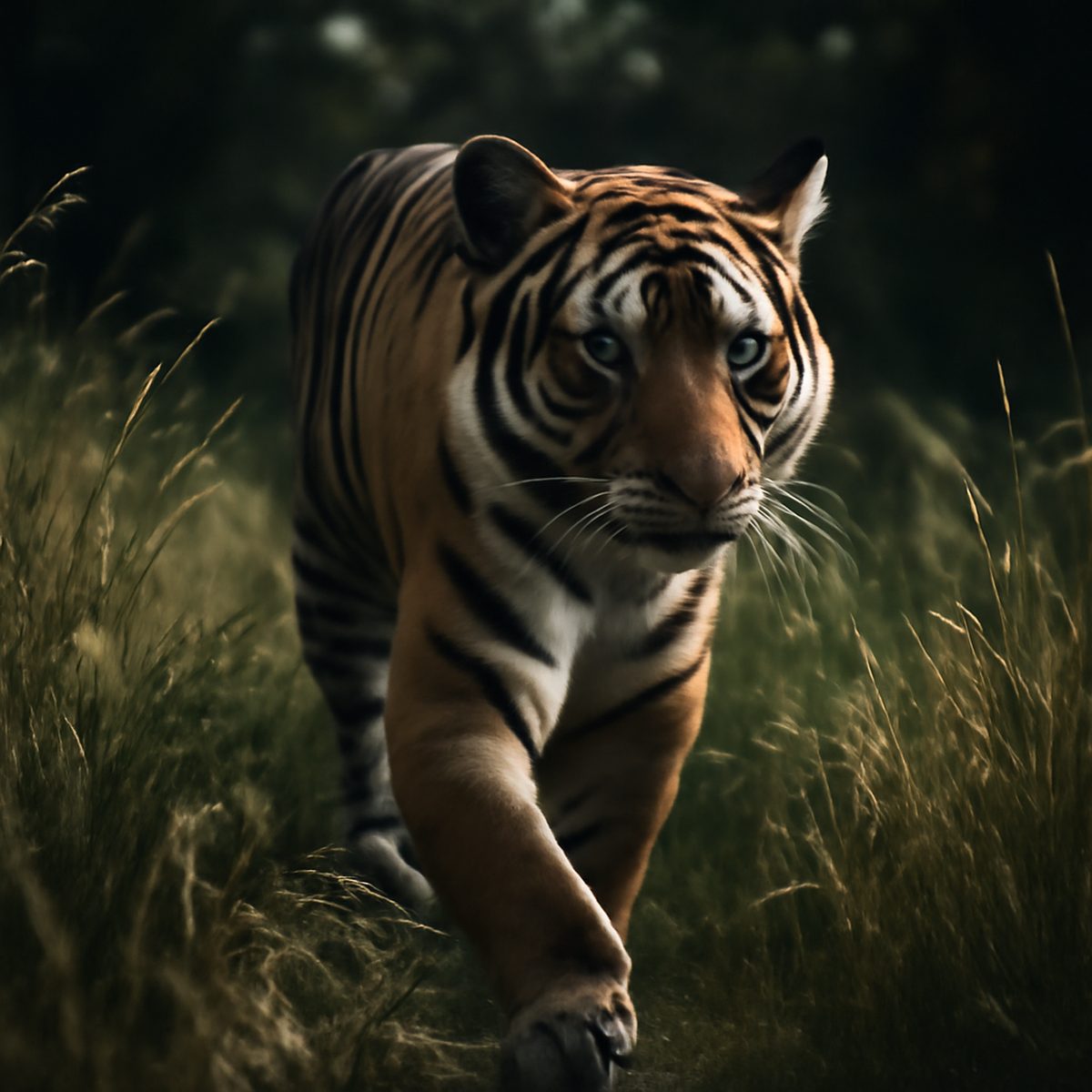
Asia’s safari tradition rarely gets discussed with the same reverence reserved for East Africa’s savannahs, which is a genuine oversight. India alone holds one of the world’s most significant populations of wild tigers across a network of national parks that has, over several difficult decades, pulled the species back from the brink of regional extinction through a combination of strict protection zones, community engagement and increasingly sophisticated tracking. A properly run Asian safari — patient, guide-led, built around genuine ecological understanding rather than guaranteed sightings — rewards exactly the kind of unhurried attention this magazine tends to value in travel more broadly.
Understanding the Terrain
Unlike the open savannah safaris most travellers picture by default, much of Asia’s best wildlife viewing happens in dense, mixed forest terrain — sal forest in central India, deciduous woodland in parts of Sri Lanka, tropical rainforest across pockets of Southeast Asia. This terrain fundamentally changes the experience: sightings tend to be shorter and less predictable than the wide-open, extended viewing common to African plains safaris, but the reward for patience is often more intimate, closer-range encounters when they do happen, since dense cover forces animals and vehicles into closer proximity than an open plain typically allows.
Guides working in this terrain rely heavily on indirect signs — alarm calls from deer and langurs, fresh pugmarks, disturbed undergrowth — building a picture of an animal’s likely position well before any direct sighting occurs. A genuinely skilled guide can read this terrain the way a sommelier reads a wine list, and the quality of guiding, more than almost any other single factor, determines whether a safari delivers a memorable encounter or a frustrating few hours of empty forest.
India’s Tiger Reserves
India’s network of tiger reserves, several dating back to the launch of Project Tiger in the 1970s, remains the region’s most established wildlife tourism infrastructure, with a mix of core zones offering the highest sighting probability and buffer zones that support both wildlife corridors and local community livelihoods. The better lodges operating around these reserves have built genuinely close relationships with park authorities and local trackers, translating into both improved sighting odds and a more ethically grounded operation overall — supporting anti-poaching efforts and community-based conservation rather than treating the reserve purely as a tourism resource to be extracted from.
“A good safari isn’t measured by how many tigers you see,” one naturalist guiding regularly across central India’s reserves told us. “It’s measured by how much of the forest’s actual behaviour you learn to read along the way.”
Beyond Tigers: The Wider Ecosystem
Focusing exclusively on a single headline species risks missing the considerably richer ecosystem most reserves actually offer. Leopards, sloth bears, various deer species, and an extraordinary range of birdlife all populate the same landscapes, and the most rewarding safari experiences generally come from guides and lodges that treat the entire ecosystem with equal curiosity rather than fixating narrowly on tiger sightings alone. Sri Lanka’s national parks, in particular, offer some of the region’s best leopard density alongside genuinely exceptional birdwatching, worth considering as an alternative or complement to India’s more tiger-centric reserves. For those interested in wildlife encounters of a different kind entirely, our guide to where to go for wildlife watching more broadly covers marine and other terrestrial options across the wider region.
Getting to the Reserves in Style
Reaching India’s more remote tiger reserves has traditionally meant long, unglamorous road transfers from the nearest airport, though this has changed considerably for travellers willing to build the journey itself into the experience. Our guide to luxury rail in India covers a genuinely elegant alternative for the initial legs of a longer itinerary, combining classic train travel with onward safari connections rather than treating the transfer purely as a logistical necessity to be endured. Several of the more established reserves, alongside a growing number of protected areas across the wider region, are covered in our broader survey of the best national parks worth the journey, useful for anyone building a longer, multi-stop wildlife itinerary rather than a single-reserve visit.
Choosing an Ethical Operator
- Ask directly about vehicle limits per sighting. Reserves and operators that cap the number of vehicles allowed near a single animal reduce stress on wildlife considerably.
- Enquire about the guide’s tenure and training. Long-serving local guides, ideally from communities near the reserve, tend to offer both better sightings and more ethically grounded interpretation.
- Look for lodges reinvesting directly in conservation and community programmes, rather than those operating purely as accommodation adjacent to a park boundary.
- Avoid operators promising guaranteed sightings. Genuine wildlife tracking cannot ethically make that promise, and any that does is usually cutting corners somewhere in the process.
When to Go
Timing matters considerably across the region’s varied climates. India’s central reserves offer their best sighting odds in the hotter, drier months leading into summer, when vegetation thins and animals concentrate more predictably around remaining water sources — a useful trade-off against the more comfortable but denser, greener conditions of the immediate post-monsoon period. Sri Lanka’s parks follow a somewhat different seasonal rhythm shaped by the island’s two separate monsoon systems, worth researching specifically for whichever park is under consideration rather than assuming a single blanket rule applies across the country.
What a Good Guide Actually Does
The difference between a merely adequate safari and a genuinely memorable one comes down almost entirely to the guide, and it is worth understanding what separates the two before booking. A skilled guide reads far more than obvious tracks — the specific alarm calls of different species, the direction of disturbed birds taking flight, subtle changes in the behaviour of grazing animals that suggest a predator moving unseen nearby. This kind of reading takes years to develop properly, and it is precisely why lodges with long-tenured, locally trained guides tend to consistently outperform those relying on rotating or less experienced staff, regardless of how well-appointed the accommodation itself might be.
Equally important is a guide’s willingness to slow down rather than chase a sighting aggressively. The most rewarding safari experiences often come from a guide content to park quietly near a promising sign and wait, sometimes for the better part of an hour, rather than driving from spot to spot in pursuit of a guaranteed photograph. This patience, uncomfortable as it can feel to travellers accustomed to a faster pace, is usually rewarded with a considerably more natural, less stressed wildlife encounter when it finally happens.
A Tradition Worth Taking Seriously
Asia’s wildlife safari tradition deserves to be understood on its own terms rather than as a lesser cousin to Africa’s more famous circuits — different terrain, different pacing, and a conservation story that remains genuinely urgent and ongoing. Explore more of the region’s considered wildlife and nature travel across our Travel & Stays section.
Marcus writes on travel and hospitality across Asia, and is happiest a long way from a lobby.