The Best National Parks Worth the Journey
Some of the region's finest landscapes sit several hours beyond the nearest airport. These national parks are worth every one of those extra hours.
 By Marcus Lim
30 August 2026 · 6 min read
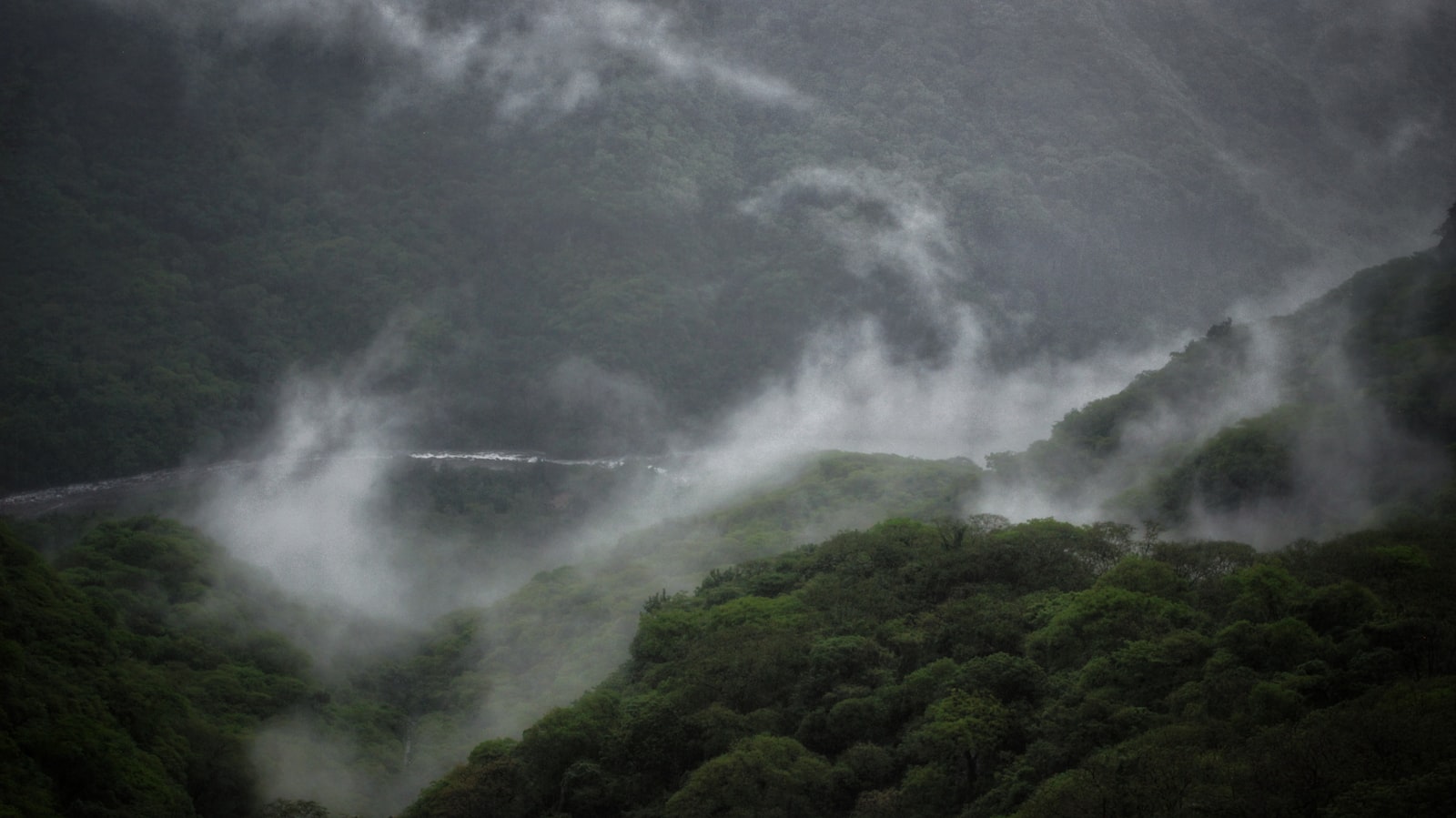
The most rewarding national parks are, almost without exception, inconvenient. They sit several hours beyond the nearest airport, require a change from sealed road to dirt track, and often demand an overnight stay in a lodge with limited electricity before the wildlife or the landscape properly reveals itself. This inconvenience is, in a roundabout way, the point — it is precisely what has kept these places relatively undeveloped, and what makes the eventual arrival feel earned rather than merely purchased.
Across the region, a handful of parks stand out for combining genuine biodiversity with the infrastructure — however modest — to actually visit them well, rather than simply protect them on paper.
Rainforest reserves worth the trek
Lowland rainforest reserves across Sumatra and Borneo hold some of the last viable wild orangutan populations anywhere, alongside pygmy elephants, clouded leopards, and a canopy density that makes a genuine dawn chorus feel like a physical presence rather than background noise. Access typically involves a flight to a regional hub followed by several hours by river boat or 4×4, and accommodation ranges from basic ranger stations to a small number of considered eco-lodges built with minimal footprint into the forest edge — choosing well among them matters considerably to how the visit actually unfolds, and travellers should book well ahead during the busiest months of the dry season.
The Himalayan foothills
Parks along the lower Himalayan range, straddling Nepal and northern India, offer a different register entirely — grassland and forest habitat rather than dense canopy, home to Bengal tigers, one-horned rhinoceros, and a bird list that draws serious ornithologists from across the world. Multi-day treks through these foothills, often combined with a park visit at lower elevation, offer one of the more physically demanding but genuinely rewarding ways to experience the region. Trekking the Himalayas in comfort makes the case for pairing a serious trek with genuinely good accommodation rather than treating comfort and adventure as mutually exclusive.
What a good park visit actually requires
- A minimum of two full days on site — a single afternoon rarely allows wildlife sightings beyond the most habituated species near lodge grounds.
- A licensed local guide, both for safety and for the depth of knowledge they bring to tracking and identification.
- Flexibility in the schedule; the best sightings often happen at dawn or dusk, and rigid itineraries tend to miss them.
- Appropriate footwear and clothing for the specific terrain — rainforest trekking and grassland safari require genuinely different kit.
Marine and coastal reserves
Not every park worth the journey is inland. A number of marine reserves across the region protect reef systems, migratory whale corridors, and nesting turtle beaches with a similar level of biodiversity to their terrestrial counterparts, and often with considerably easier access from major coastal hubs. Travellers drawn to this category should read the best whale and marine wildlife trips alongside this guide, since several of the operators covered there work directly with marine park authorities.
Wildlife watching more broadly — beyond any single park or species — is covered in where to go for wildlife watching, a useful starting point for travellers who have not yet settled on a specific region or reserve.
Southern hemisphere alternatives
For travellers willing to range further afield, New Zealand’s South Island offers a fundamentally different but equally rewarding category of protected landscape — glacial valleys, temperate rainforest, and a scale of untouched wilderness increasingly rare elsewhere in the region. New Zealand’s South Island, slowly covers how to build a proper multi-week itinerary around the country’s national parks without rushing between them.
“People plan for the wildlife and remember the silence,” one ranger at a Bornean rainforest reserve told us. “There’s nowhere else most of our guests have ever actually experienced quiet like that.”
Timing the visit
Seasonality matters enormously and varies by region — dry season generally offers better wildlife visibility as animals congregate around remaining water sources, while wet season brings lusher landscapes but considerably more difficult access and fewer sightings. A good operator or lodge will be candid about which season suits a given traveller’s priorities, rather than simply promoting whichever season currently has availability. For those who would plan a trip around falling water, our pick of waterfalls worth the journey applies the same seasonal thinking.
Booking well ahead matters more for parks with strict daily visitor caps, a policy increasingly common at reserves managing genuine conservation pressure. Permits for the most sought-after trekking routes and ranger-led experiences can sell out months in advance during peak season.
Conservation and the traveller’s role
Many of the region’s best-known parks operate under genuine conservation pressure, balancing tourism revenue — often a significant source of funding for anti-poaching patrols and habitat protection — against the risk of the visitor traffic itself degrading the ecosystem it draws people to see. Responsible operators generally cap daily visitor numbers, restrict off-track movement, and reinvest a meaningful share of park fees directly into conservation work rather than treating the fee purely as an entry charge. Choosing operators who can speak specifically to where that money goes is one of the more concrete ways a traveller can ensure the visit does more good than harm.
Guides drawn from local communities, rather than exclusively from national tour companies based in the capital, also tend to bring a more grounded, long-term relationship to the landscape — and often a livelihood alternative to the extractive industries that remain the primary threat to many of these reserves.
Why the distance is worth it
A national park visit will never offer the convenience of a beach resort or the polish of a city hotel — the accommodation is often simpler, the days longer, and the payoff never guaranteed on any given morning. What it offers instead is a genuine encounter with landscapes and wildlife that have largely resisted the pace of change reshaping much of the rest of the region. For more on building a wider itinerary around a park visit like this, Black Cow’s travel and stays coverage is worth browsing before booking flights and permits.
Visitors who make the journey rarely describe it as easy. They almost always describe it as worth it.
Marcus writes on travel and hospitality across Asia, and is happiest a long way from a lobby.