The Islands of Southern Thailand
The islands scattered off Krabi and Trang offer a version of southern Thailand's coastline that predates the crowds further north, if you know where to look.
 By Marcus Lim
30 August 2026 · 6 min read
By Marcus Lim
30 August 2026 · 6 min read
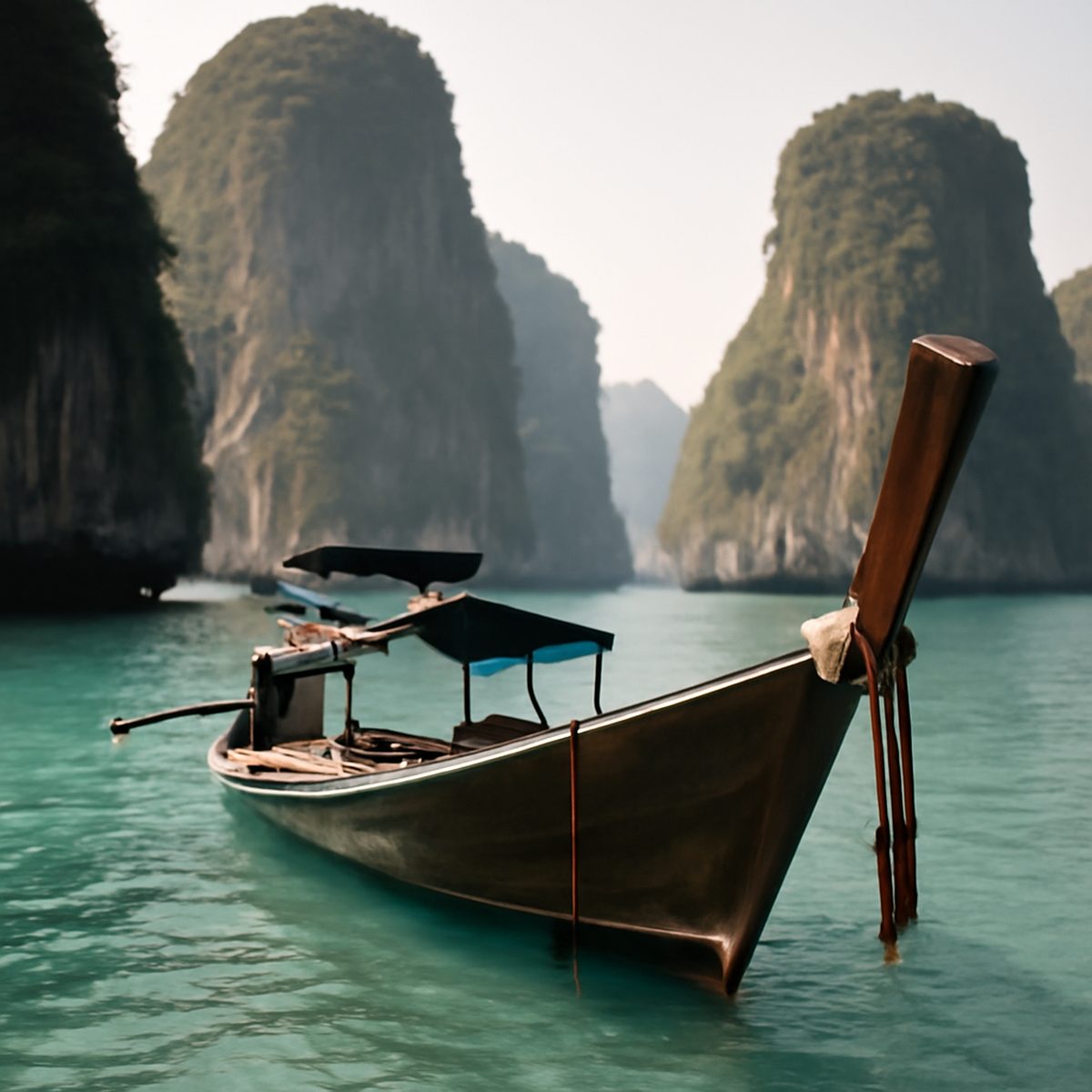
Southern Thailand’s coastline has been shaped, for better and worse, by decades of tourism development concentrated around a handful of well-known names. But the limestone archipelago scattered off the coasts of Krabi and Trang provinces — a genuinely different stretch of the same sea — has largely avoided the density that has reshaped its more famous neighbours further north. The islands here range from small resort operations to entirely uninhabited outcrops reachable only by longtail boat, and the difference in atmosphere from the busier northern circuit is considerable.
What draws repeat visitors to this stretch of coast is not any single spectacular beach but the accumulated effect of dozens of them, scattered across a genuinely large marine area still relatively light on large-scale development.
The Krabi archipelago
The cluster of islands off Krabi’s coast ranges considerably in character and development. Some carry a handful of established resorts and a busier day-tripper trade from the mainland; others remain accessible only by private longtail charter, with no permanent accommodation at all beyond the occasional beach shack serving grilled fish to passing boats. The limestone karst formations that define this stretch of coast — sheer cliffs rising directly from the water, riddled with caves and hidden lagoons — are among the most striking coastal geology anywhere in Southeast Asia.
Travellers drawn to this particular geology should also read the best cliffside and clifftop hotels, several of which are built directly into the same limestone formations found throughout this archipelago.
Trang’s quieter alternative
Further south, the islands off Trang province remain markedly less developed than their Krabi counterparts, with a smaller number of accommodation options and considerably fewer day-trip boats. This is partly a function of accessibility — Trang lacks the direct international flight connections that have driven development further north — but the effect is a genuinely quieter version of the same limestone coastline, popular with divers and travellers specifically seeking a slower pace.
- Trang’s islands generally require a domestic connection through Bangkok or a longer overland transfer, worth building into the trip timeline.
- The diving here rates among the best in the Andaman Sea, with visibility often exceeding that of busier dive sites further north.
- Accommodation ranges from simple beach bungalows to a small number of more considered boutique resorts.
Diving and marine life
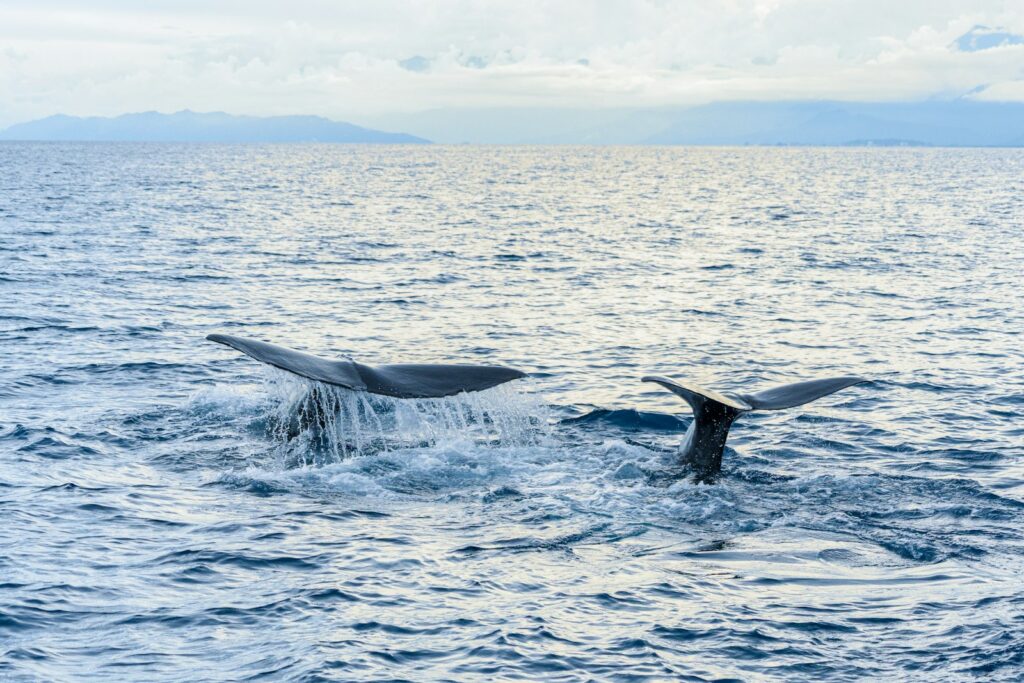
The waters throughout this stretch of coast support healthy reef systems and, seasonally, whale shark sightings further offshore — a draw that has begun attracting a more dedicated diving crowd distinct from the broader beach tourism trade. The best diving and snorkelling escapes covers the region’s dive sites in more depth, including several operators working specifically out of this archipelago.
Choosing which islands to base on
The right choice depends heavily on what a traveller wants from the trip. Those seeking genuine seclusion should look toward the smaller, less developed islands with limited or no electricity after a certain hour; those wanting a balance of comfort and quiet have several mid-range options with reliable infrastructure but modest guest numbers; and those seeking a livelier social scene are generally better served by the busier resort islands further north, outside the scope of this quieter southern stretch. Those who prefer culture and food to beaches may find Taiwan’s old southern capital more to their taste, as our weekend in Tainan suggests.
“People come here expecting Phuket and leave saying they wish they’d known about this coast sooner,” one longtime dive instructor based in Krabi told us. “It’s the same sea, just far fewer boats on it.”
Getting around
Longtail boats remain the primary form of transport between islands throughout this archipelago, chartered either for a single day trip or, for travellers island-hopping over several days, on a more extended basis. A handful of speedboat services connect the more established islands to mainland Krabi and Trang, though the longtail remains the more atmospheric — if slower — option for shorter hops between neighbouring islands.
Travellers planning a wider island-hopping itinerary through the region, rather than a single-base stay, should read a guide to island hopping in Asia for broader logistics on sequencing multiple island stops without excessive transit time.
When to visit
The dry season, running roughly from November to April, offers the calmest seas and most reliable weather for both diving and general island-hopping. The monsoon months bring considerably rougher conditions and reduced boat services, though a handful of the more sheltered bays remain accessible even during the wetter months for travellers with flexible plans.
Shoulder months either side of the dry season — particularly late October and early May — occasionally reward travellers with a genuinely useful middle ground: lighter crowds, still-reasonable seas, and accommodation rates well below the peak-season premium charged over the busiest winter weeks. Anyone with a flexible schedule should weigh this window seriously before defaulting to the most obvious high-season dates.
For more on structuring a wider Thailand or regional island itinerary around a stay here, Black Cow’s travel and stays section covers further options worth weighing before booking.
Food and where to eat it
Southern Thai cuisine carries a distinct character from the food more commonly associated with Bangkok or the north — heavier use of turmeric, a stronger reliance on fresh seafood, and curries built around a noticeably spicier, more herbaceous profile. The better beachside restaurants throughout this archipelago source their catch directly from the same longtail boats used for island transfers, often grilled simply over charcoal with little more than a squeeze of lime and a dipping sauce built around bird’s eye chilli. Travellers who venture beyond the resort dining rooms and into the smaller family-run spots on the more populated islands tend to eat considerably better, and for considerably less, than those who stay within their hotel’s own restaurant for the length of the stay.
A coastline worth the extra effort
The islands of Krabi and Trang will never offer the direct-flight convenience or the sheer density of amenities found further north. What they offer instead is a version of southern Thailand’s coastline closer to what drew the earliest visitors to this stretch of sea decades ago — limestone cliffs, quiet coves, and a pace of island life still largely set by the tide rather than the tour bus schedule.
Marcus writes on travel and hospitality across Asia, and is happiest a long way from a lobby.